
Skip to content

Truckload Carriers

A full load needs a truck that is yours alone, loaded once and driven straight to the dock. FullTruckload.com books that dedicated truckload carrier for you. One contact keeps the move coordinated from pickup to delivery.

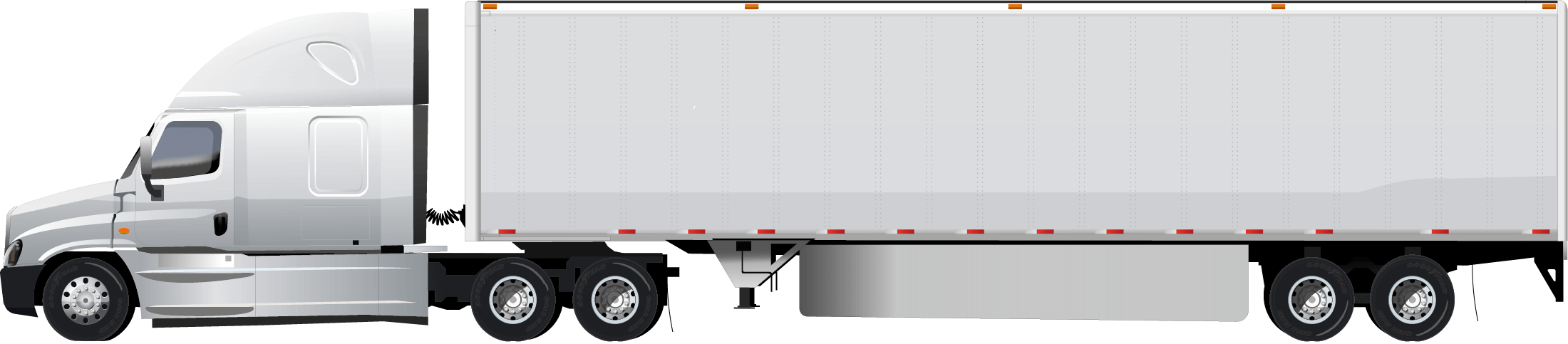
53 ft dry van
Expeditor at his desk tracking a shipment
In short

One trailer, one shipper

A truckload carrier hauls only your freight, straight from your dock to the delivery site.

Truckload carriers What they do

What a truckload carrier actually does

From pallets of packaged goods to steel beams and machinery, a truckload carrier moves one shipper's freight in a whole trailer. The truck is loaded at your dock and driven directly to the delivery site, with no terminal stops or transfers to other trucks along the way.

A standard full truckload usually means a 53 ft dry van, which carries up to 42,000 lbs. Flatbeds handle loads that need to go on from the side or the top. Because the trailer carries only your freight, there is less handling and a clearer picture of where the shipment is.

FullTruckload.com books dedicated truckload carriers for shippers across the US, Canada and Mexico, with one point of contact who manages each load from pickup to delivery. Every shipment is tracked from the moment it leaves your dock.


Expeditor Kevin
Carrier types Truckload carriage

Common, contract and private carriage

When you start comparing carriers, it helps to know the three types of carriage. A common carrier hauls for any shipper that books it. A contract carrier works under an agreement with a set group of shippers, often on fixed lanes. A private fleet belongs to a company that hauls its own goods.

Carriers also differ by ownership. An asset-based carrier owns its trucks and employs its drivers. A truckload broker owns no trucks but books licensed carriers to haul each load and manages the move for the shipper.

FullTruckload.com is a truckload broker. We book the right truck for your freight through licensed carriers and stay your contact for the whole move. It's also a practical choice when you need a truck quickly, so one call covers equipment you do not keep on hand.

Who hauls your freight

Which kind of truckload provider fits

Large carriers, small carriers, brokers and private fleets all move full loads, but they differ on ownership, speed to book and flexibility. Use the rows that match your freight.

Large asset carrier Owns a big fleet Small regional carrier Owns a few trucks Truckload Broker FullTruckload.com books it Private fleet Your own trucks
Owns the trucks Yes: Company trucks and drivers Yes: Small owned fleet No: Books licensed carriers Yes: Your capital and drivers
Books one-off loads fast Sometimes: Prefers contract lanes Sometimes: If a truck is nearby Yes: Searches many carriers at once Sometimes: Only if a truck is free
Range of equipment Sometimes: Mostly its own trailer types No: One or two types Yes: Sprinter van to flatbed Sometimes: What you bought
One contact for the load Sometimes: Account team, shared desk Yes: Often the owner Yes: One point of contact Yes: Your own dispatcher
Handles volume surges Sometimes: Within its capacity No: Limited trucks Yes: Adds trucks as needed No: Fixed fleet size
Best when Steady high-volume lanes Local or regional repeat loads Varied or urgent full loads Constant daily volume

Large asset carrier

Owns a big fleet
Owns the trucks
Yes: Company trucks and drivers
Books one-off loads fast
Sometimes: Prefers contract lanes
Range of equipment
Sometimes: Mostly its own trailer types
One contact for the load
Sometimes: Account team, shared desk
Handles volume surges
Sometimes: Within its capacity
Best when
Steady high-volume lanes

Small regional carrier

Owns a few trucks
Owns the trucks
Yes: Small owned fleet
Books one-off loads fast
Sometimes: If a truck is nearby
Range of equipment
No: One or two types
One contact for the load
Yes: Often the owner
Handles volume surges
No: Limited trucks
Best when
Local or regional repeat loads

Truckload Broker

FullTruckload.com books it
Owns the trucks
No: Books licensed carriers
Books one-off loads fast
Yes: Searches many carriers at once
Range of equipment
Yes: Sprinter van to flatbed
One contact for the load
Yes: One point of contact
Handles volume surges
Yes: Adds trucks as needed
Best when
Varied or urgent full loads

Private fleet

Your own trucks
Owns the trucks
Yes: Your capital and drivers
Books one-off loads fast
Sometimes: Only if a truck is free
Range of equipment
Sometimes: What you bought
One contact for the load
Yes: Your own dispatcher
Handles volume surges
No: Fixed fleet size
Best when
Constant daily volume

Summarised for US domestic full truckload freight; FullTruckload.com books loads through licensed carriers.

Aerial view of a truck driving on the road
Rule of thumb

Steady lanes or changing loads

Contracts suit the same lanes every week; one-way loads suit freight that changes.

Contract or one-way Truckload contracts

Dedicated contract carriage or one-way loads

Dedicated contract carriage assigns trucks and drivers to one shipper's lanes under an agreement, usually for several years. It suits a shipper with steady weekly volume on the same routes. A one-way truckload is booked per shipment, so the truck delivers your load and moves on to its next job.

One-way loads fit freight that changes week to week, seasonal peaks and urgent moves that fall outside a contract. As with most truckload freight, distance, the type of equipment, how soon the truck is needed and how tight capacity is all affect the cost.

FullTruckload.com books one-way dedicated trucks for each shipment, so you get a truck that hauls only your freight without signing a long contract. We match the truck and the pickup date to your timeline.

Truckload freight by the numbers

Truckload freight by the numbers

$2.336

average cost per mile to operate a truck in 20251

What it means for you

Every truck carries real running costs before it reaches your dock, led by driver wages and fuel. That is why the right-sized truck and a clean booking matter, and why FullTruckload.com matches equipment to the load instead of sending more truck than you need.

11 hours

maximum driving time per shift for a solo truck driver2

Driver hours set how far a solo truck can go in a day, which shapes how a long load is planned.

39.3%

of truck stops involved driver detention in 20233

Time spent waiting at docks is common, so clear pickup hours and a ready load keep a truck moving.

44.2%

truck driver turnover rate in 2025, down from 48%4

Driver turnover stays high, which is one reason truckload capacity can tighten quickly.

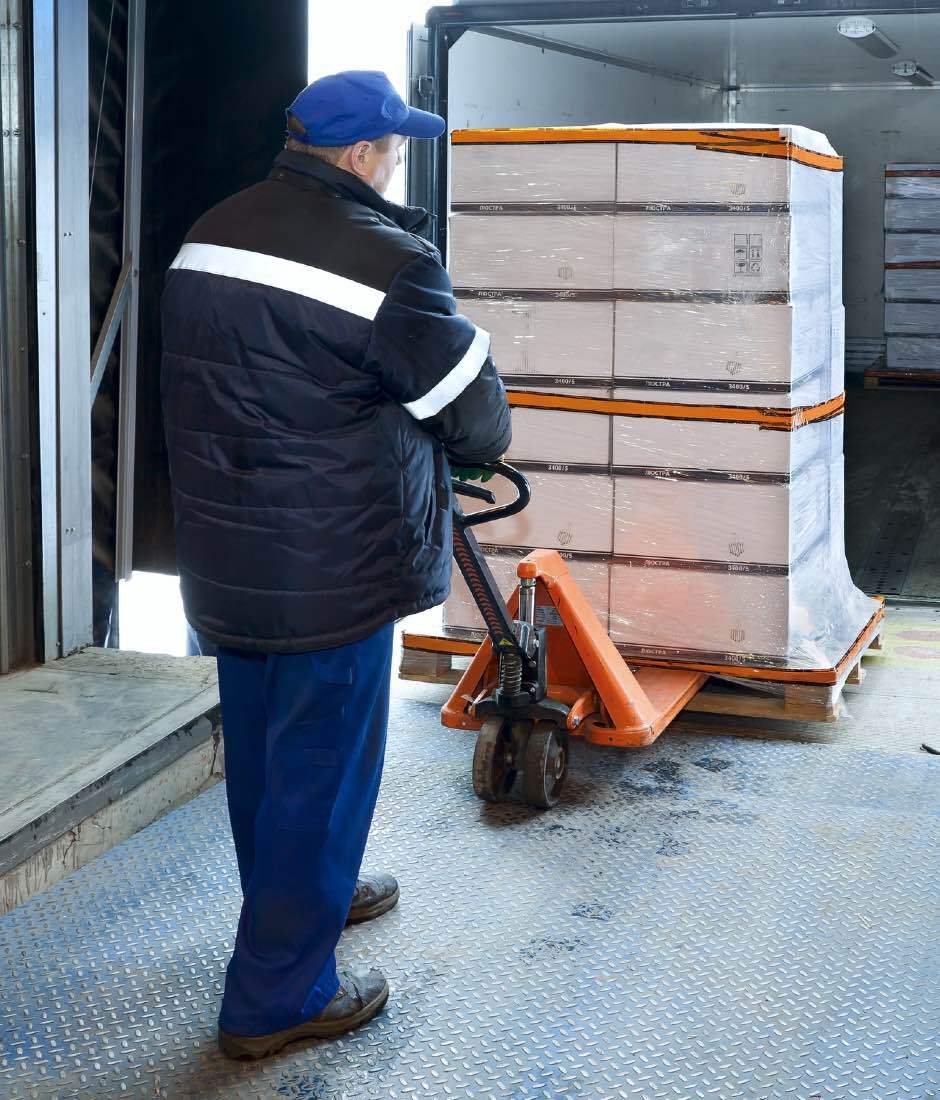
Worker loading a truck
Equipment Truckload equipment

Matching the equipment to your load

When you know whether the load is contract or one-way, the next step is the equipment. A 53 ft dry van provides enclosed space for palletized and boxed freight that loads at a dock. A flatbed carries up to 48,000 lbs of machinery, steel and building materials that load by crane or forklift from the side or top. Refrigerated trailers serve temperature-sensitive goods, which we do not handle.

Not every load needs a full trailer. A straight truck carries up to 9,000 lbs, and a box truck or Sprinter van suits smaller urgent loads. The freight's weight, size, pallet count and loading method decide the right choice.

We match the equipment to your load, and when a smaller truck makes more sense, FullTruckload.com can also arrange a straight truck, box truck or hot shot instead.

Truck options

Truck options ranked by capacity

This ranking orders common dedicated trucks by the most freight each can carry, from the biggest trailer down to a cargo van. Re-sort by load, length or relative cost.

Sort by
  1. Best for heavy open-deck freight

    Full flatbed

    An open trailer for machinery, steel and building materials that load from the side or top. It carries the heaviest loads of any standard truckload option.

    GoodHighest payload, crane or forklift loading WatchFreight needs securing and covering
    ~48,000 lbs
    max load
    48-53 ft
    cargo length
    $$$$$
    relative cost
  2. Best for full palletized loads

    53 ft dry van

    The standard enclosed trailer for boxed and palletized freight that loads at a dock. It keeps freight sealed and dry from pickup to delivery.

    GoodEnclosed, standard for full loads WatchNeeds a dock or forklift
    ~42,000 lbs
    max load
    53 ft
    cargo length
    $$$$$
    relative cost
  3. Fastest for partial heavy loads

    Hot shot

    A pickup truck pulling a flatbed or gooseneck trailer, dispatched for a single urgent load. It moves equipment and materials that do not fill a full flatbed.

    GoodQuick dispatch for heavy partials WatchLower weight limit than a semi
    ~16,000 lbs
    max load
    Up to ~40 ft
    cargo length
    $$$$$
    relative cost
  4. Best for mid-size loads

    Straight truck

    A single-unit truck with an enclosed box, often with a liftgate. It handles several pallets for sites without a full-size dock.

    GoodLiftgate access, fits tight sites WatchFar less space than a trailer
    ~9,000 lbs
    max load
    22-26 ft
    cargo length
    $$$$$
    relative cost
  5. Best for small multi-pallet loads

    Box truck

    A smaller box truck for a few pallets or bulky cartons. It is a step up from a van when the freight is too big for one.

    GoodBigger than a van, easy access WatchLimited weight and length
    ~5,000 lbs
    max load
    12-16 ft
    cargo length
    $$$$$
    relative cost
  6. Best for small urgent freight

    Sprinter van

    A cargo van for boxes, parts and a pallet or two that have to move now. It is the quickest and lowest-cost dedicated option for small loads.

    GoodFast and economical for small loads WatchSmallest capacity of the group
    ~3,000 lbs
    max load
    8-12 ft
    cargo length
    $$$$$
    relative cost
5.0 from 1,600+ reviews on

Know the load and the equipment? Get a truckload quote.

Send the pickup, delivery and load details. Your contact matches the right truck, books a licensed carrier and keeps you updated until the freight is delivered.

  • John Mark was a pleasure to work with and kept me updated on the driver's progress as it was an urgent and timely delivery we needed 11 hours away.

    Kenneth
  • Fantastic! I called and spoke to an extremely helpful gentlemen by the name of Kevin at 7:00 p.m. I couldn't ask for a better experience. Quick, Courteous, and had a driver sitting in PA at 9:30 the next morning.

    Devin

Request a Quote

Step 1 of 3Origin and Destination Info

Expeditors Steve and Todd
Before you book Truckload providers

Questions to ask before you book

Truckload providers usually explain how they run a load when you ask, including who you call and how problems are handled. This means the shipper knows what to expect whenever a load runs late or a dock refuses it.

Ask who your contact is during the move and how updates arrive. Ask what happens if the truck is delayed or breaks down, and how a refused or damaged load is handled. Ask how waiting time at the dock is managed and how a loss or damage claim is filed. Clear answers to these questions tell you more than a list of trucks.

Our dispatch team is available around the clock, including weekends and holidays, so you can reach someone at any hour. FullTruckload.com answers these questions before you book to make sure your freight arrives the way you planned.

Freight News
Truckload capacity

Truckload spot rates climb as capacity, not demand, tightens

Spot rates for dry vans rose sharply into October even as freight volumes softened, which makes trucks harder to find for shippers.

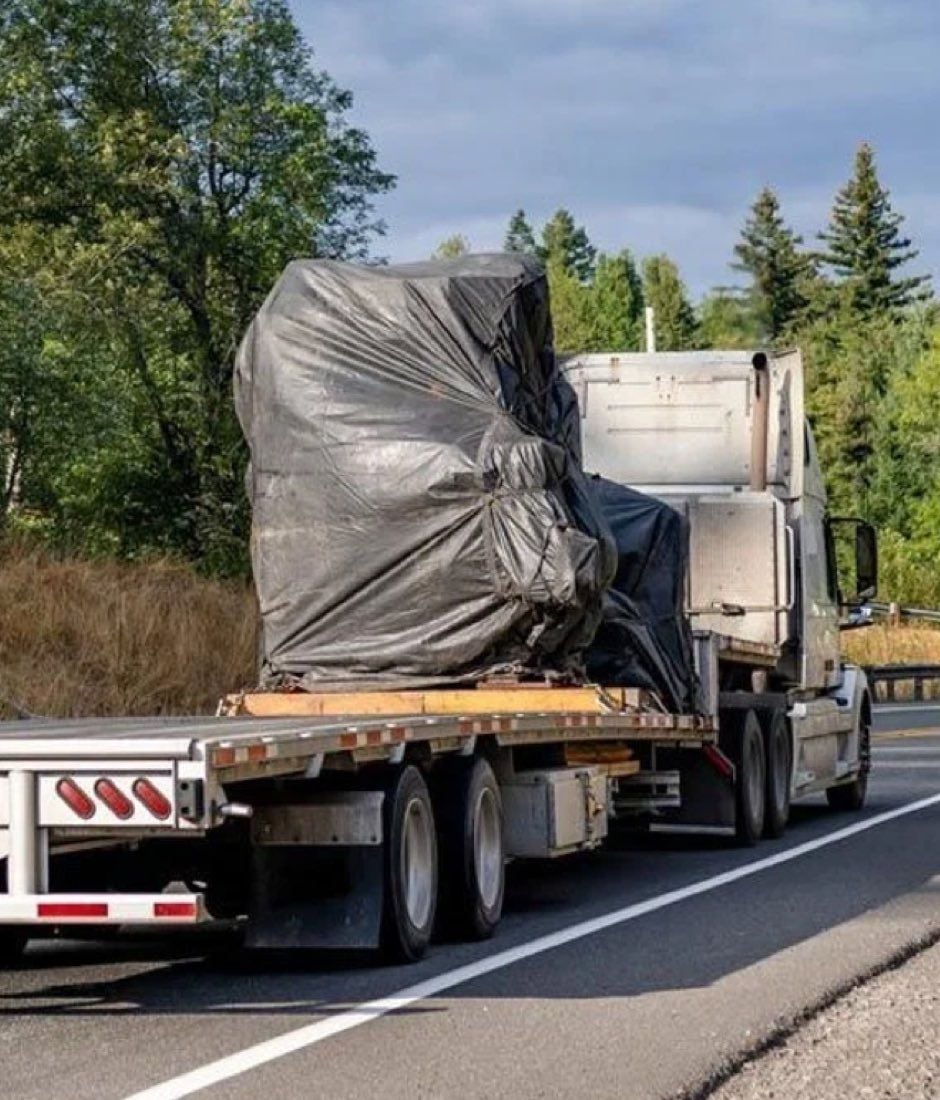
Truck driving on the open road
At a glance · October 2026
$3.55
dry van spot rate per mile with fuel
50%
above year-ago spot rate levels

What is happening

According to FreightWaves, dry van spot rates including fuel reached $3.55 a mile in early October, roughly 50% above year-ago levels.

Source: FreightWaves, October 5, 2026

Why it is happening

Rising diesel costs and limited capacity are driving the increase, while accepted tender volumes are down 20% from the June peak.

What it means for you

When trucks are scarce, early booking and complete load details matter more. FullTruckload.com books a dedicated truck for each load and keeps you updated.

Trucks and trailers

The right truck for your freight

Hot shot truck5 / 6

Hot shot truck side view
32–40 ft42,000 lbs
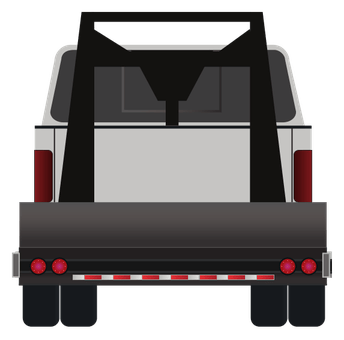
Hot shot truck rear view
102 inWide
120 inHigh
Deck length32–40 ft
Payload42,000 lbs
Deck width102 in
Load height120 in
Best for

Construction, oilfield and farm equipment, machinery

About hot shot trucks

A hot shot pairs a heavy-duty pickup with a gooseneck flatbed trailer. It is the fast choice for equipment and machinery that need an open deck but not a full semi. Ramps at the back let rolling equipment drive straight on.

Price a hot shot truck

Send the pickup, delivery and weight, and we'll match the truck to your load.

Talk to dispatch(800) 373-2480 Get a hot shot quote
Working with us

How FullTruckload.com books your truckload

A truckload goes well when one person owns it, the truck fits the freight and the updates are honest.

Expeditor Steve

“I had a single point of contact assigned to our shipment that was fantastic on keeping me updated every step of the way.”

Pamela · Trustpilot
HowWe Work

One Person, Start to Finish

When you call FullTruckload.com, you reach a real person right away, and that same person owns your load from the first call to final delivery. You never have to explain the shipment twice or chase a call center for an answer.

That contact books the truck, follows it from pickup to delivery, and is the person you call for the next load.

  • A direct number for your expeditor
  • Updates at pickup and delivery
  • The same person on your next load
Expeditor Chris at the airport

“I called up at 7:30 pm... one that was secured cancelled at the end of the day. Todd quoted three shipments on the spot... The last shipment was picked up at Midnight.”

Susan · Trustpilot
WhatWe Provide

The Right Truck, Every Time

Every load is different, and the right truck is the one that fits the freight, not always the biggest one. We arrange everything from Sprinter vans and box trucks to large straight trucks, hot shots, 53 ft dry vans and flatbeds.

We match your load to the equipment it needs, so you never pay for capacity you do not use or end up short of the truck you do need.

  • Each option weighed against your deadline
  • Smaller trucks when a trailer is too much
  • Flatbeds for open-deck freight
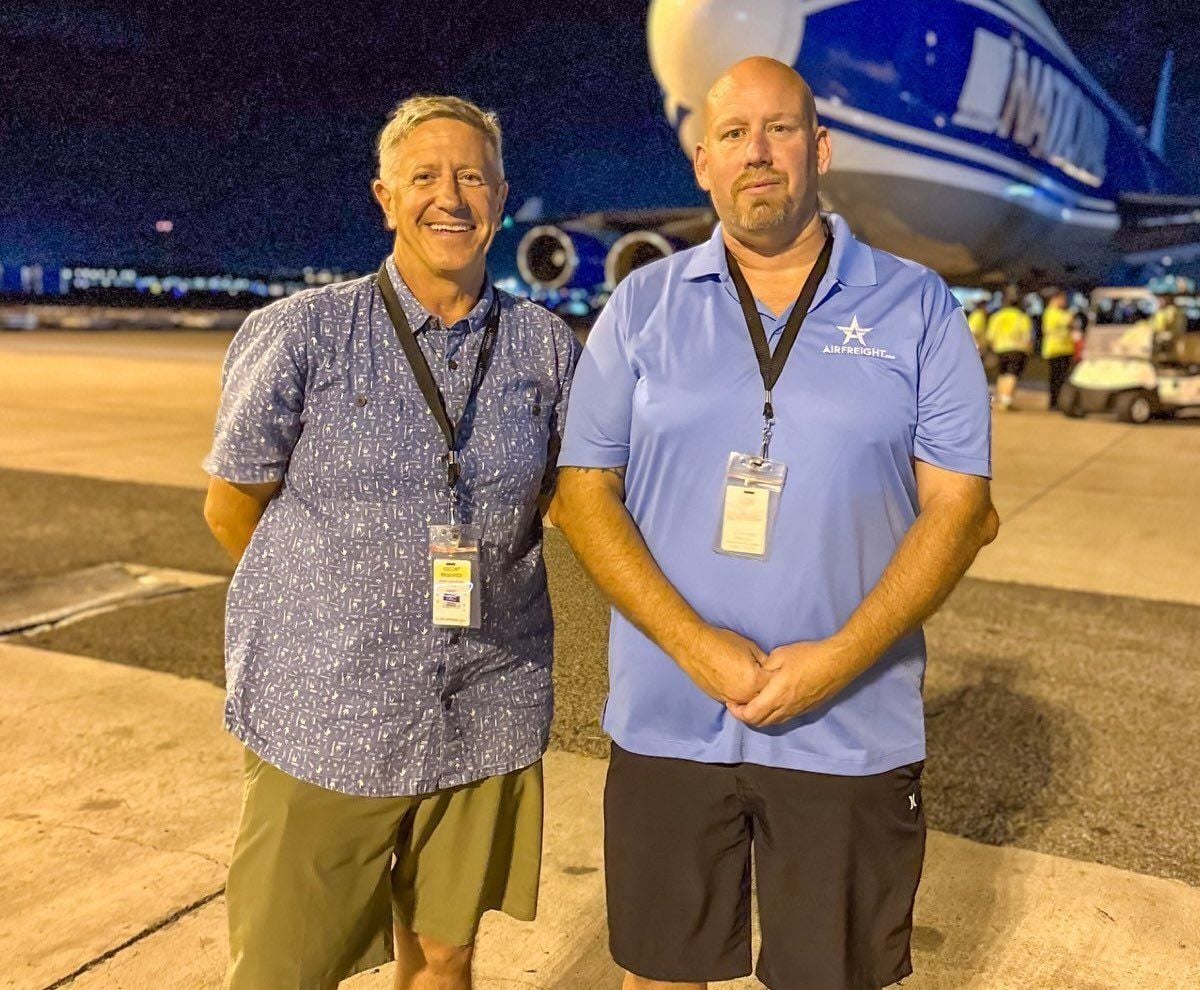
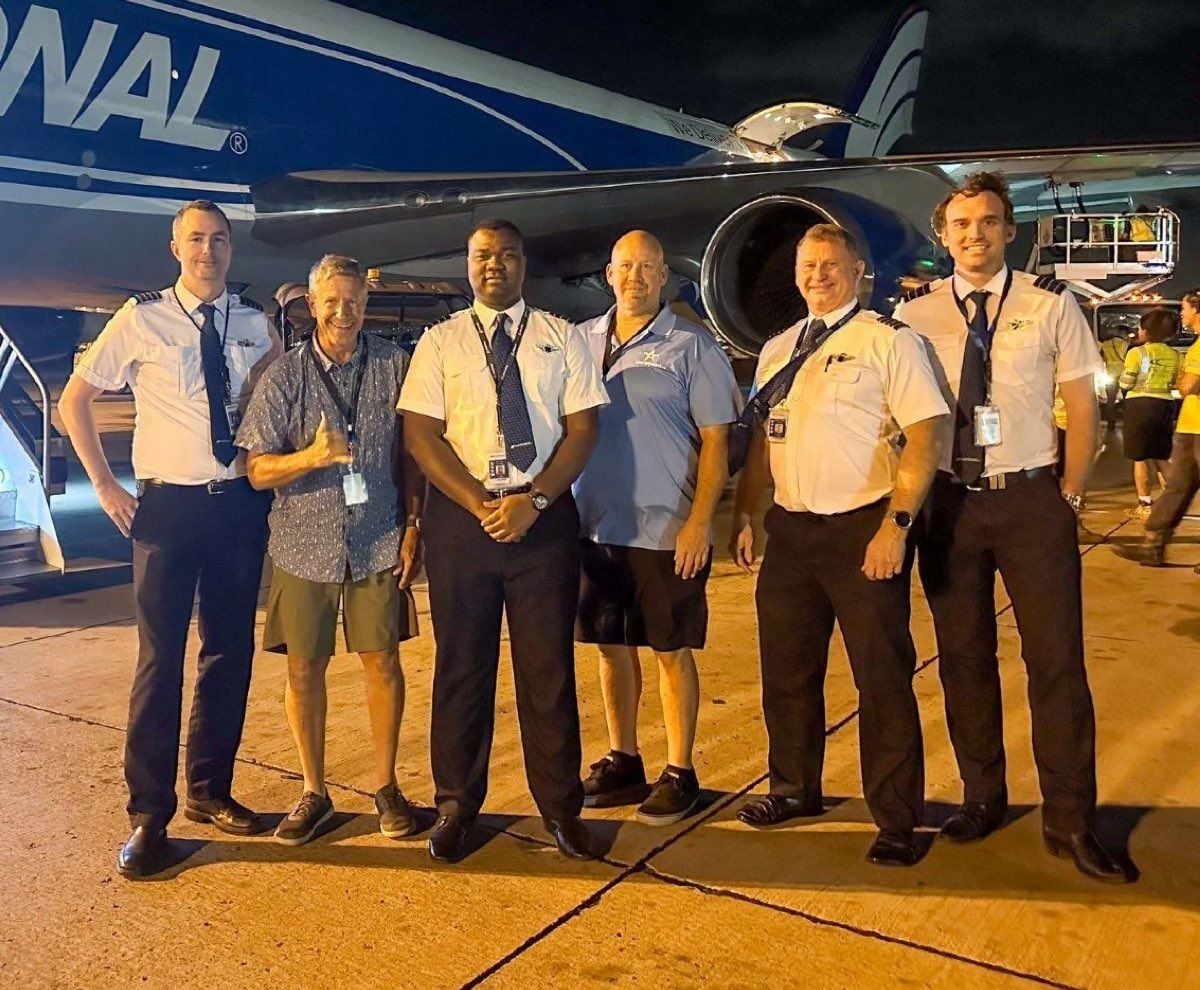
The expediting team at the airport

“True to word. They did exactly what they said they would do.”

Dan · Trustpilot
WhoWe Are

Honest With You, Always

A tight market is stressful enough without wondering whether you have the full story. We give you the price before you commit, the timeline as it actually stands, and if something goes wrong, you hear it from us first.

That includes telling you when a smaller or slower option will still make your delivery date, so you only pay for what the load needs.

  • Clear quotes before you commit
  • Real updates, including the bad news
  • We say when a smaller truck works

Truckload Carrier Questions Answered

What is a truckload carrier?

A truckload carrier is a motor carrier that moves freight for one shipper in a whole trailer. The truck is loaded at the shipper's location and driven directly to the destination without stopping at terminals or transferring the freight to other trucks. Truckload carriers usually run 53 ft dry vans, flatbeds and other trailer types, and they suit shipments large enough to fill most of a trailer or freight that should not be handled along the way. Some truckload carriers own their trucks and employ their drivers, while others are small operators. Shippers book them directly, through a contract or through a truckload broker.

What are the three types of carriers?

The three classic types of carriers are common, contract and private. A common carrier offers its services to the general public and hauls for any shipper that books it, subject to its published terms. A contract carrier hauls for a limited number of shippers under specific agreements that set lanes, volumes and service levels. A private carrier is a company that runs its own trucks to move its own goods, such as a retailer or manufacturer with an in-house fleet. Many modern trucking companies act as both common and contract carriers, and shippers often use a mix of all three depending on their freight.

What is a common carrier?

A common carrier is a trucking company that offers transportation to the general public rather than to a fixed group of customers. It accepts freight from any shipper that books a load, as long as the freight fits its equipment and terms. Common carriers must hold operating authority from the Federal Motor Carrier Safety Administration for interstate freight and carry required insurance. Their liability for loss or damage is generally governed by federal rules and their own published terms. For shippers, common carriers provide flexible capacity for one-off loads and seasonal peaks, without the commitment of a long-term contract or the cost of owning trucks.

What is a contract carrier?

A contract carrier hauls freight for specific shippers under a written agreement instead of offering service to anyone. The contract usually sets the lanes, the expected volume, the equipment, service standards and the rates for a period of time. Because the carrier knows what freight is coming, it can plan trucks and drivers around the shipper's schedule. This gives the shipper more predictable capacity and pricing on regular lanes. The tradeoff is commitment: the shipper is expected to tender the agreed volume, and freight outside the contract, such as urgent or unusual loads, often still needs to be booked separately.

What is dedicated contract carriage?

Dedicated contract carriage is an arrangement where a carrier assigns specific trucks, trailers and drivers to work only for one shipper, usually for several years. The trucks run the shipper's routes on the shipper's schedule, much like a private fleet, but the carrier owns the equipment, employs the drivers and handles maintenance and compliance. It suits companies with steady, predictable volume on the same lanes and service needs that a standard truckload booking cannot meet. Dedicated contracts typically include minimum volumes and fixed costs. Shippers with irregular freight usually do better booking one-way truckloads as each shipment comes up.

How does an asset-based carrier differ from a truckload broker?

An asset-based carrier owns its trucks and trailers and employs or contracts the drivers who haul the freight. A truckload broker owns no trucks. It arranges transportation by booking a licensed carrier to move the shipper's load, then manages the shipment and the communication until delivery. Brokers must hold their own operating authority and financial security from federal regulators. Asset carriers can offer consistent equipment on their main lanes, while brokers can draw on many carriers and equipment types to cover loads quickly in different places. Many shippers use both, with brokers covering urgent, irregular or hard-to-place freight.

What is a one-way truckload?

A one-way truckload is a single shipment booked on its own, with a truck hired to pick up the load at one location and deliver it to another. After delivery, the truck is free to take its next load, and the shipper has no ongoing commitment to the carrier. One-way truckloads are the most common way shippers move irregular freight, seasonal surges and urgent shipments. The rate is set for that load and reflects distance, equipment, timing and how much capacity is available in the market that day. It contrasts with contract and dedicated arrangements, which cover repeated freight over a longer period.

What is a 53 ft dry van?

A 53 ft dry van is the standard enclosed trailer used for full truckload freight in the United States. It is a box trailer with doors at the back, no temperature control, and internal dimensions of about 53 ft long, 99 in wide and 102 in high. Dry vans typically carry up to 42,000 lbs of cargo and are loaded at a dock with forklifts or pallet jacks. They suit palletized goods, packaged products, paper, electronics and other freight that needs protection from weather but not refrigeration. Because they are so common, dry vans are usually the easiest truckload equipment to find.

What is a private fleet?

A private fleet is a group of trucks that a company owns or leases to move its own goods, rather than hiring outside carriers. Retailers, food distributors and manufacturers often run private fleets to control delivery schedules and service to their own stores or customers. The company handles drivers, maintenance, insurance and regulatory compliance itself, which gives it control but also ties up capital and staff. Private fleets work best with constant, predictable volume. Most companies with a private fleet still hire for-hire carriers for overflow, one-off shipments and lanes their own trucks cannot cover efficiently.

What is a bill of lading?

A bill of lading, often called a BOL, is the main shipping document for a truckload. It lists the shipper, the receiver, the carrier, the type of freight, the number of pieces and the weight, along with any special handling instructions. The driver signs it at pickup to confirm what was loaded, and the receiver signs it at delivery to confirm what arrived. The BOL serves as a receipt for the goods, a record of the terms of carriage and evidence for any claim. Shortages or damage should be noted on the BOL at the time they are found.

Get a quote

Have a full load to move? Book a dedicated truck for it

Enter your pickup, delivery and date. We match the right truck, book a licensed carrier and keep you updated until delivery.

5.0 from 1,600+ reviews on

Request a Quote

Step 1 of 3Origin and Destination Info

They were very fast. Picked up the item in about 3 hours of first contact and drove it straight to the destination with regular updates.

Eric · Verified review on Trustpilot
CTA Hero Star Background
TOP