
Flatbed Trucks
Flatbed trucks provide open-deck capacity and dedicated transportation for even the toughest expedited loads.
EXPEDITED DELIVERY SOLUTIONS
What Is Flatbed Trucking?
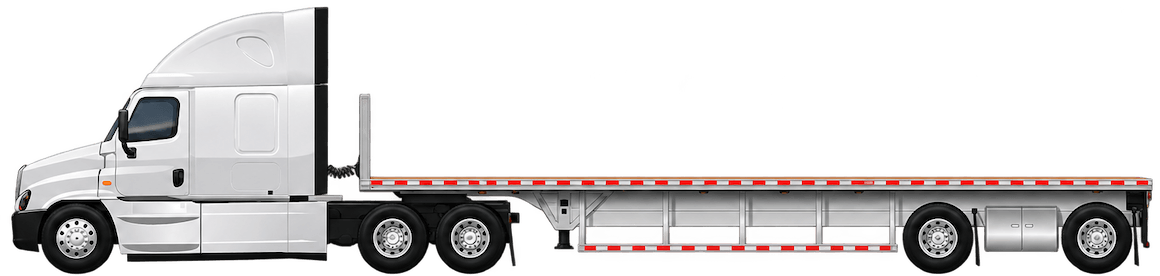
Flatbed trucking is the transportation of freight on an open trailer with a level deck and no walls or roof. That open design is the entire point. Cargo can be lifted on from above by crane, loaded from either side by forklift, or in some cases driven directly onto the deck, and it can extend beyond dimensions that would make loading into an enclosed trailer impossible.
The standard flatbed is a level-deck trailer commonly built in 48- and 53-foot lengths, roughly 8.5 feet wide, with a deck sitting several feet above the ground. That deck height matters, because it counts against the legal overall height limit for the vehicle and its cargo combined. Freight tall enough to exceed that limit on a standard deck often ships on a step deck instead — a trailer with a raised front section and a lower main deck that buys back usable height without triggering permits.
Beyond those two, open-deck equipment becomes increasingly specialized. Double-drop trailers lower the deck further still for very tall loads. Removable gooseneck trailers, or RGNs, detach at the front so the deck rests on the ground, creating a ramp self-propelled equipment can drive up. Conestoga trailers add a retractable tarp system on a rolling frame, combining open loading with weather protection. FullTruckload.com works with carriers across this range and selects equipment from the load's actual dimensions, weight, and lifting requirements.
Securement is a defining discipline of open-deck freight. Cargo is held down with straps, chains, and binders working against ratchets and load binders, with edge protectors and friction matting at contact points to protect both the freight and the securement hardware. Regulations govern minimum working load limits and the number of tie-downs based on cargo weight and length, and drivers inspect their loads shortly after departure and at intervals throughout the trip. Many commodities also require tarping to protect against weather and road debris.
Request a Quote Now
Add your shipment details below, and one of our professional expeditors will contact you within minutes. For immediate assistance on an urgent quote, call (800) 373-2480 with these details handy.
A flatbed trailer is often the right choice for moving large or abnormally heavy loads.

Maximum freight dimensions of 48,000 pounds.

Whether you need to transport goods a few miles or thousands of miles, a flatbed trailer is up to the task.

Flatbeds may also be used for loading and unloading in locations without a loading dock.
Full Flatbed Cargo Capacity
The size of load a flatbed can handle is governed by regulations on overall height and width. This means the load should not be wider than 102” and the total height from the road must be no more than 13’6”. Wider and taller loads can be moved if appropriate permits are obtained and arrangements made.
A full flatbed trailer is 60” above the road. This limits the maximum freight height to 102”. However, a lowboy trailer puts the bed closer to the ground, permitting loads up to 12’ high.
Conestoga flatbeds are subject to the same size limits, but require room for the tarpaulin and carriers to move over the load. Thus effective freight size limits are several inches less than for a full flatbed.
The maximum permitted weight of a two-axle flatbed trailer and load is 48,000 pounds. Conestoga and lowboy trailers are heavier than full flatbeds, which reduces their effective capacity. However, three-axle trailers can carry higher loads.
TYPES OF CARGO
These trailers are used for heavy and oversize shipments, and particularly for oil and gas industry trucking.
They take large industrial assemblies and components from manufacturing sites to where they’re needed, often production locations. Boilers, pumps, motors, and filtration units are just a few examples.
FullTruckload.com: Open-Deck Capacity for Industrial and Oversized Freight
KEY BENEFITS
Open-deck capacity is thinner than dry van capacity, and specialized trailers are thinner still — an RGN or a multi-axle heavy-haul unit may not be sitting in the same metro area as the load.
FullTruckload.com sources flatbed and specialized equipment through a nationwide carrier network, which widens the search radius considerably when a particular trailer configuration is required. That reach also matters seasonally, since construction and infrastructure work pull flatbed capacity tight in certain regions at predictable times of year.
EXPLORE OUR COVERAGEOpen-deck moves involve more moving parts than a typical dock-to-dock shipment, and one logistics professional carries all of them.
Your single point of contact (SPOC) confirms the dimensions and weight, determines the trailer type, verifies lifting capability at origin and destination, arranges permits and escorts where required, and coordinates the loading appointment with whoever is operating the crane or forklift. Keeping that in one set of hands prevents the gaps that appear when permitting, dispatch, and site scheduling are handled by different people.
MEET THE TEAM
Flatbed planning starts with measurements and ends with a securement plan.
Overall height is deck height plus cargo height, which determines whether a standard flatbed works or a step deck is needed. Width and length are checked against the thresholds that trigger oversize permits in each state along the route. Weight is evaluated in total and as it distributes across axles, since concentrated loads may require additional axles to stay legal. From there the load is planned physically: how it will be blocked, where chains versus straps are appropriate, how many tie-downs the cargo's weight and length require, and whether tarping is necessary. Our team also confirms what will lift the freight at each end, whether the site can accommodate the trailer, and what ground conditions the truck will face.
VIEW ALL SERVICES
Open-deck freight is often the item a crew or a crane is waiting on, which makes arrival timing consequential well beyond the shipment itself.
Tracking is real-time GPS, read by the coordinator managing the load against the route and permit conditions the shipment is operating under. Progress is monitored throughout transit, and updates account for the factors specific to open-deck movement — permitted travel windows that restrict some loads to daylight hours or weekdays, route restrictions around bridges and construction, and required stops for securement inspections. If conditions change, the plan is revised and communicated rather than left to surface on arrival.
LEARN MORERange and Routes
Flatbed trailers can be used for short journeys in urban and suburban areas, providing means of loading and unloading are available. More often though, they are deployed on longer distance, same day shipping, Just-in-Time delivery, and similar expedited freight services.
Depending on fuel tank capacity, load, and road conditions, a semi hauling a full flatbed trailer can go up to 1,500 miles between refueling stops. That gives these vehicles the ability to traverse the length and breadth of the continent in just a few days.
If you need a large or heavy load moving across town or across the country, our flatbed trucking service might be the best approach. Contact ExpeditedFreight.com for details.
End to End Solutions
In addition to its loading advantages, flatbed trucking provides exceptional scalability for various shipment sizes and weights, accommodating everything from single large items to multiple smaller pieces in one trip. This makes flatbed trucks ideal for industries like construction, manufacturing, and energy, where bulky equipment and raw materials must be transported quickly and securely. Drivers and logistics experts work closely with clients to select the appropriate flatbed trailer type—such as standard flatbeds, step decks, or double drops—based on the cargo’s dimensions and weight, ensuring compliance with all safety and transportation regulations.
Safety is a top priority in flatbed trucking, with rigorous cargo securing methods used to protect shipments during transit. Tarps, straps, chains, and binders are carefully selected and applied to each load, preventing shifting or damage along the route. Additionally, flatbed drivers are highly trained in securing and inspecting freight, giving businesses peace of mind that their cargo will arrive on time and intact. With its combination of versatility, efficiency, and reliability, flatbed trucking remains one of the most dependable solutions for transporting large, heavy, and unconventional freight across short and long distances.
KEY VEHICLE SPECIFICATIONS
Full flatbed dimensions
102” wide, 53’ long, 60” above the ground.
Maximum freight dimensions
53’ long, 102” wide and 102” high for a maximum overall height of 13’6”.
Maximum total weight (trailer plus load)
48,000 pounds with two axles. (More axles permit heavier loads.)
Maximum freight height on a lowboy trailer
12’
Range
Depends on fuel tank capacity, route, and weight being moved, but can be up to 1,500 miles between refueling stops.
Seating for two
Semi-tractor units are available with extended cabs and sleeping compartments for driver teams.
Customer Reviews
551 Reviews
Trusted by Businesses Nationwide
See customer feedback about our service, communication, and expedited shipping support.
G Rated by customers on Google
Your Time-Sensitive Cargo Needs a Dedicated Freight Team
Flatbed Trucking Advantages
Capabilities
Flatbed trailers are open platforms towed by trucks, with smaller versions capable of being pulled by pickup trucks in a practice called “hot shot trucking.” Larger flatbeds, however, require a semi-tractor to haul them. These trailers are produced in various styles beyond the standard flatbed. Conestoga trailers feature a tarpaulin-covered frame, providing protection for cargo against hazards and bad weather. Lowboy trailers, on the other hand, have a lowered bed section situated between the rear wheels and the gooseneck coupling that connects to the truck.
Capacity
Full flatbed trailers are used for transporting large and/or very heavy items, like manufacturing equipment or raw materials. These will be secured with lumber, held down with winch straps or chains, and typically need a crane for loading and unloading. Conestoga flatbeds may also be loaded with pallets and can be loaded and unloaded from the sides. Lowboy trailers are often used for construction and agricultural equipment that can be driven on before being secured in place. Their design allows transport of taller loads and lowers the overall center of gravity, which improves stability and safety.
Transport
Another advantage of flatbed trucking is its adaptability to various industries and transport needs. These trailers can accommodate both short-distance hauls and long-distance freight, offering reliable service for diverse jobs. Additionally, flatbeds can be paired with tarps, Conestoga covers, or other protective systems to shield cargo from weather exposure, providing the same level of care as enclosed trailers when necessary. For businesses requiring frequent or heavy shipments, flatbed trucking delivers a practical, time-saving, and cost-effective transportation solution, making it an invaluable asset across multiple sectors.

Loading
Loading flatbed trucks requires careful planning to ensure safety and efficiency. Cargo must be evenly distributed to maintain balance and prevent shifting during transit. Securing the load with straps, chains, or tarps is essential to keep it stable and protected from weather or road conditions. Additionally, proper equipment like forklifts or cranes is often used to handle heavy or oversized items, making the loading process quicker and more precise. It’s also crucial to follow weight limits and height restrictions to comply with transportation regulations and avoid fines or delays. Drivers and loaders should conduct thorough inspections to verify that all items are secure before hitting the road

Safety
Safety for flatbed trucks starts with proper securing of the cargo to prevent shifting or falling during transit, which can pose serious risks to both the driver and other road users. Regular inspections of straps, chains, and tie-down points are critical to ensure they remain tight and undamaged throughout the journey. Drivers must also be mindful of the truck’s height, width, and weight to comply with regulations and avoid collisions with low clearances or overloading issues. Additionally, wearing personal protective equipment (PPE) during loading and unloading helps reduce the risk of injury on-site.
Tracking Technology
Incorporating advanced tracking technology with the flatbed trailers we use helps us avoid delays and provide clients with regular updates on the status of their freight. By combining real-time location data with detailed knowledge of road and weather conditions, our logistics team can optimize and revise vehicle routes as needed to meet the commitments we've made. By leveraging this technology, we ensure that our operations remain seamless, while clients gain peace of mind knowing their cargo is in capable hands.

Industries That Rely on Flatbed Trucking
Oil & Gas
Energy construction and field operations generate some of the heaviest open-deck freight in the country. Flatbed trucking moves drill pipe and casing bundles, wellhead assemblies, separators, pressure vessels, tank sections, and compressor skids between fabrication yards, supply bases, and remote sites — locations that rarely have a dock and often require a trailer suited to unpaved approach roads.

Technology
Data center and semiconductor construction depends on infrastructure that is far too large for an enclosed trailer. Flatbeds and step decks carry generators, chillers, cooling towers, switchgear lineups, transformers, and prefabricated modular units to construction sites, where crane crews lift components directly from the deck to their foundations or rooftop positions.
Automotive
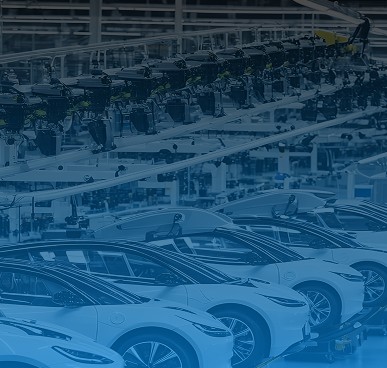
Plant construction, retooling, and expansion projects move heavy production equipment on open decks. Flatbed freight includes press components, stamping dies, robotic cells, conveyor sections, paint system modules, and structural steel for facility work. Machinery of this size is generally craned into position, which makes overhead loading access more important than weather protection.
Construction
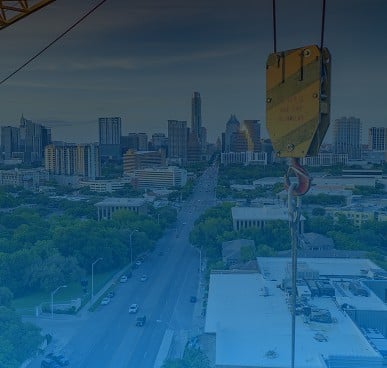
This is the industry most closely associated with open-deck transportation. Flatbeds deliver structural steel, rebar bundles, precast panels, trusses, lumber packages, pipe, scaffolding, and construction equipment directly to project sites. Deck access from the side and above lets material be offloaded by whatever equipment is on site, and tarping protects moisture-sensitive loads in transit.

Manufacturing
Plants relocating, expanding, or replacing production assets need equipment moved that cannot be broken down. Flatbed and step deck trailers handle machine tools, injection molding machines, industrial ovens, boilers, tanks, and large weldments. Height is usually the governing constraint, which is why step decks and double drops appear so often in plant equipment moves.

Aerospace & Defense
Program hardware includes structures and tooling of substantial size. Open decks transport wing and fuselage sections, large assembly jigs and fixtures, autoclaves, test rigs, and vehicles and shelters bound for installations and depots. Loads of this type frequently exceed standard dimensions, bringing permits, route surveys, and escort vehicles into the transportation plan.
Machinery
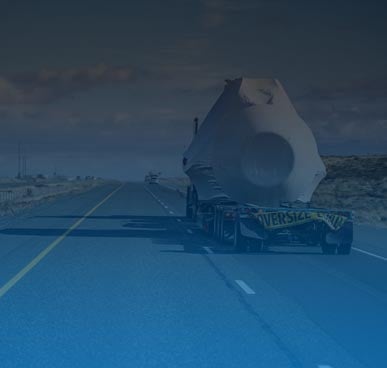
Manufacturers and dealers of industrial equipment move machines that are heavy, tall, or both. Flatbeds carry CNC machining centers, presses, generators, compressors, and crated drive assemblies, while RGN trailers handle self-propelled equipment such as excavators, loaders, and cranes that can be driven onto a lowered deck rather than lifted.
Mining
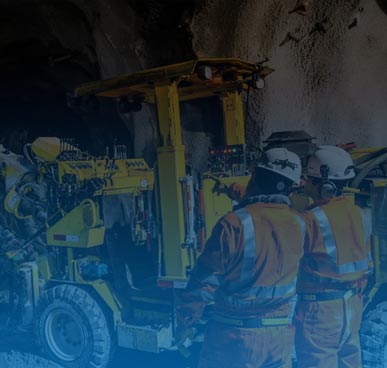
Mine sites run on equipment measured in tons. Open-deck trucking delivers crusher components, mill liners, conveyor structure, screen decks, haul truck bodies and tires, and electrical substations to operations far from paved infrastructure. Heavy-haul configurations with additional axles are common here, along with route planning around bridge ratings and site access grades.
Telecommunications
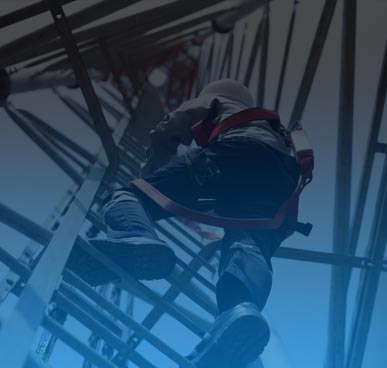
Network infrastructure includes freight that no enclosed trailer will hold. Flatbeds transport tower sections and monopoles, guyed structures, utility poles, prefabricated equipment shelters, generators, and large antenna assemblies to tower sites and switching facilities. Long tower sections and poles frequently exceed standard trailer length, making overhang flagging and permitting part of the routine plan.
Ground Transportation and Expedited Trucking Services
Expedited Trucking Excellence: Explore Our Resource and Blog Section
FullTruckload.com is a leader in the expedited trucking industry. Our blog and resource section offers information and resources to improve your logistics strategy.
Frequently Asked Questions
What is flatbed trucking?
Flatbed trucking is freight transportation on open-deck trailers — trailers with a flat cargo surface and no enclosing walls or roof. The open configuration allows cargo to be loaded from the sides or from above and permits freight with dimensions that would not fit through the doors of a closed trailer.
The service is used primarily for industrial and construction freight: steel, machinery, building materials, pipe, large fabricated components, and equipment. Because loading does not depend on dock infrastructure, flatbeds serve fabrication yards, job sites, mines, and plants that have cranes or forklifts but no dock at all. Open-deck freight also carries obligations an enclosed load does not, chiefly cargo securement and, for many commodities, tarping.
What is a flatbed trailer?
A flatbed trailer is a semi-trailer consisting of a level deck mounted on a frame and axles, with no sides, roof, or doors. Standard versions are commonly built at 48 or 53 feet long and about 8.5 feet wide, with the deck sitting several feet off the ground. Decks are typically wood or a combination of wood and steel, with rub rails and stake pockets along the edges for securement.
The trailer's simplicity is what makes it versatile. Anything that can be lifted onto the deck and secured properly can be transported, subject to legal dimension and weight limits. Deck height is a key planning number, because the legal height limit applies to the vehicle and cargo together — meaning the taller the deck, the shorter the cargo can be before permits are required.
What freight can a flatbed truck carry?
Flatbeds carry freight that is heavy, oversized, irregularly shaped, or simply easier to load from the side or overhead. Common categories include structural steel, rebar, pipe and tubing, lumber, precast concrete, machinery and machine tools, generators, transformers, tanks and vessels, construction equipment, utility poles, and crated industrial components.
The practical requirements are that the freight fit within legal dimensions or qualify for permits, that it can be secured to the deck safely, and that it tolerates exposure to weather or can be tarped. Freight that is fragile, requires temperature control, or is best protected from public view usually belongs in an enclosed trailer. Very tall loads may exceed height limits on a standard deck, in which case a step deck or double drop is the appropriate equipment.
What is a step deck trailer?
A step deck, also called a drop deck, is a flatbed trailer built with two deck levels: a shorter raised section over the trailer's front, which sits above the tractor's fifth wheel, and a longer main deck that drops down closer to the ground behind it. The lower main deck is the reason the trailer exists.
Because overall legal height applies to the vehicle and cargo combined, lowering the deck by roughly a foot and a half allows correspondingly taller freight to travel without an oversize height permit. Step decks are heavily used for machinery, tall crated equipment, and construction components that would sit too high on a standard flatbed. Many are equipped with ramps, allowing wheeled or tracked equipment to be driven onto the lower deck.
What is an RGN trailer?
An RGN, or removable gooseneck trailer, is a specialized heavy-haul trailer whose front section detaches and lowers to the ground. With the gooseneck removed, the front edge of the deck rests at ground level, forming a ramp that self-propelled equipment can be driven directly onto rather than lifted.
RGNs also carry a very low main deck, which accommodates tall freight, and they are frequently built with multiple axles to distribute heavy loads across a longer footprint. They are the standard equipment for moving excavators, dozers, loaders, cranes, and other large mobile machinery. Capacity varies substantially with axle configuration, and heavier loads commonly require permits, route surveys, and escort vehicles.
What is the difference between a flatbed and a dry van?
The difference is enclosure, and it changes nearly everything about how freight is handled. A dry van is a sealed box loaded through rear doors at a dock, typically by forklift working from inside. A flatbed is an open deck loaded from the sides or from above by crane or forklift, with no doors and no dimensional constraint from a roof or walls.
Dry vans protect cargo from weather and view, which suits packaged and palletized goods. Flatbeds accommodate freight that is too large, too heavy, or too awkwardly shaped for an enclosed trailer, and they can be loaded anywhere a lift is available rather than only at a dock. The trade-offs are exposure, which tarping addresses for many commodities, and the additional labor and regulatory requirements that come with cargo securement.
How is freight secured on a flatbed?
Securement uses tie-downs — most commonly nylon or polyester straps for lighter and finished goods, and chains with load binders for steel, machinery, and heavy equipment. Tie-downs anchor to rub rails, stake pockets, or D-rings and are tensioned to hold the cargo firmly against the deck. Edge protectors prevent straps from being cut on sharp corners, and friction matting increases resistance to sliding.
Federal rules set requirements for the number and aggregate working load limit of tie-downs based on cargo weight and length, with commodity-specific rules for items such as coils, pipe, and machinery. Blocking, bracing, and bulkheads prevent forward movement under braking. Drivers must inspect securement shortly after departure and periodically thereafter, since loads settle and straps lose tension over the road.
What is oversized or over-dimensional freight?
Oversized freight exceeds the standard legal dimensions permitted for travel without special authorization. General thresholds in the United States are roughly 8.5 feet in width, about 13.5 to 14 feet in height depending on the state, and length limits that vary by configuration. Freight beyond those figures — or beyond standard weight limits — is classified as over-dimensional or overweight and requires permits.
Limits are set by each state, so a load may be legal in one jurisdiction and permitted in the next. Oversize movement brings additional requirements: warning flags and banners, amber lights, restricted travel hours, specified routing, and escort vehicles. Planning begins with accurate measurements, since a small error in stated height or width can invalidate a permit and stop a load at a scale house.
What permits are required for an oversize load?
Permits are issued by each state the load travels through, and sometimes by counties or municipalities as well, so a multi-state move may require several. Each permit specifies the approved route, the dimensions and weight authorized, valid travel dates and hours, and any conditions such as required escorts or curfews.
Processing times vary from same-day in some jurisdictions to considerably longer where a route survey, bridge analysis, or utility coordination is needed. Superload movements — those substantially beyond ordinary oversize thresholds — can require extended lead time. FullTruckload.com works with carriers experienced in permitted movement and builds the permitting timeline into the transportation plan rather than treating it as a formality after dispatch.
How much weight can a flatbed trailer carry?
A standard flatbed operating within federal limits generally carries payload in roughly the same range as a dry van — commonly in the 45,000-pound neighborhood, though the exact figure depends on the weight of the tractor and trailer and on axle configuration. The controlling constraint on most interstate routes is the 80,000-pound gross vehicle weight limit for a five-axle combination.
Axle distribution matters as much as total weight on an open deck, because flatbed freight is often concentrated rather than spread across the trailer floor. A dense item positioned incorrectly can overload one axle group while the total remains legal. Loads beyond standard limits move on multi-axle and specialized heavy-haul trailers under overweight permits, with capacity determined by the specific equipment and the states involved.
What is a Conestoga trailer?
A Conestoga is a flatbed or step deck fitted with a retractable tarp system mounted on a rolling frame. The covering slides back along the trailer to expose the deck for loading and then closes over the freight for transit.
It is a compromise between an open deck and an enclosed trailer. Cargo still loads from the side or overhead by crane or forklift, but travels protected from weather and out of view without the labor of manual tarping. The rolling frame reduces deck width and height slightly and adds trailer weight, so it does not suit every load. Conestogas are common for finished machinery, painted steel, and aerospace components.
What is hot shot flatbed trucking?
Hot shot flatbed trucking uses smaller open-deck trailers — commonly gooseneck or bumper-pull trailers in the 20- to 40-foot range — towed by heavy-duty pickup trucks rather than highway tractors. It serves loads that need open-deck transport urgently but do not require the capacity of a full-size flatbed.
Capacity is meaningfully lower than a standard flatbed — generally ten to twenty thousand pounds depending on the truck and trailer combination — and dimensional limits are tighter. The advantages are availability and access: hot shot equipment is often easier to source on short notice, and the shorter combination reaches constrained sites more easily. The service originated in oilfield supply and remains common there, along with construction freight.