
Hot Shot Trucking
For shipments where every hour matters, hot shot trucking puts dedicated capacity on the road quickly to keep your freight moving.

EXPEDITED DELIVERY SOLUTIONS
What Is Hot Shot Trucking?
Hot shot trucking is on-demand freight service in which a vehicle is dispatched for a single customer's shipment and driven directly to its destination. The load is not consolidated with other freight, does not pass through a terminal, and does not wait for a scheduled departure. The truck is committed to that shipment from pickup through delivery.
The term traces back to oilfield supply work in the 1970s, when drivers with heavy-duty pickups would stage near equipment manufacturers, load parts as they came off the line, and run them out to rigs where downtime was costing thousands of dollars an hour. That origin still shapes the service. Hot shot work is characterized by fast sourcing, smaller loads than a conventional truckload, and delivery to sites that are not always convenient — yards, plants, field locations, and job sites rather than distribution centers.
Equipment is where hot shot trucking differs most from a standard truckload booking. The category is defined by the service model rather than by a specific vehicle, so the unit is chosen for the load. A pallet or two of parts may move in a cargo van. Several pallets fit a box truck or straight truck. Steel and machinery ride on a gooseneck or deckover flatbed behind a heavy-duty pickup, or on a full-size flatbed when weight demands it. Larger volumes step up to a 53-foot van. Capacity and dimensional limits vary considerably, so equipment is confirmed against the actual freight rather than assumed.
Positioned against other services, hot shot occupies a specific gap. Full truckload service moves trailer-sized volumes on planned lanes. Less-than-truckload service moves small shipments economically but routes them through terminals, adding handling and transit days. Couriers handle parcels and documents. Hot shot trucking covers freight that is larger than a parcel, smaller than a trailerload, and more urgent than a network can accommodate.
Request a Quote Now
Add your shipment details below, and one of our professional expeditors will contact you within minutes. For immediate assistance on an urgent quote, call (800) 373-2480 with these details handy.
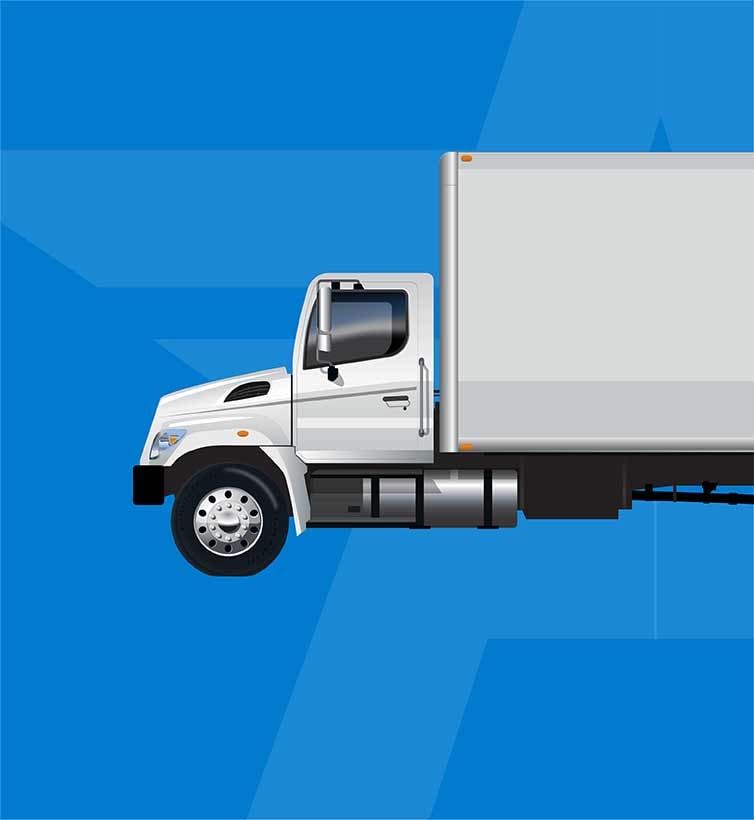
Hot shot trucking can be performed with Sprinters, box trucks or straight trucks.

Cargo capacity varies based on the type vehicle.

Highly versatile, making it a valuable option for a wide range of industries and delivery needs.

Drivers haul diverse cargo, including construction materials, farm equipment, automotive parts, and oilfield supplies.
Hot Shot Trucking Cargo Capacity
With hot shot trucking, the size and weight of the freight determine what kind of vehicle is used, although ease of loading and unloading may factor in too. (A box truck with a liftgate might be more convenient than a Sprinter or a trailer.) Use the following guidelines for hot shot size and weight limits:
-
Sprinter: Maximum payload 3,000 lbs, maximum dimensions: 52” x 70” x 144”.
-
Box truck: Maximum payload 5,000 lbs, maximum dimensions: 94” x 70” x 144-192”.
-
Straight truck: Maximum payload up to 26,000 lbs without a CDL driver, and with a CDL, up to 54,000 pounds. Maximum cargo dimensions: 96” x 96” x 22-26’. (Enough for two rows of 6 standard pallets.)
-
Class 3 pickup truck with trailer: Weight limit is 10,000 to 14,000 lbs. Max height and width are 12’ (assuming a lowboy trailer), and 8.5’. Note that if the trailer GVWR exceeds 10,000 lbs or the Gross Combined Weight Rating is over 26,000 lbs the driver will need a CDL.
-
Class 4 trucks, like the Ford F450, can haul up to 16,000 pounds.
TYPES OF CARGO
Hot shot trucking is for anything that’s needed urgently, especially when the cost of not having it is high.
FullTruckload.com: On-Demand Capacity Matched to the Load
KEY BENEFITS
Hot shot service depends on finding a suitable truck close to the pickup, quickly.
FullTruckload.com works through a nationwide carrier network that spans the full range of equipment used in hot shot work — cargo vans, box and straight trucks, gooseneck and full-size flatbeds, and dry van trailers. Breadth matters as much as depth here, because the nearest available truck is only useful if it is the right kind. Access to varied capacity across regions allows a shipment to be matched to appropriate equipment rather than to whatever happens to be closest.
EXPLORE OUR COVERAGEEvery hot shot shipment is assigned to one logistics professional who functions as your single point of contact (SPOC) throughout the move.
That person takes the freight details, identifies the equipment, arranges the truck, coordinates loading and delivery access, and follows the run to completion. Urgent shipments generate questions at odd hours and changes in mid-transit, and having one coordinator who already knows the load, the route, and the site conditions removes the delay of bringing someone new up to speed.
MEET THE TEAM
The judgment in hot shot work sits in the equipment decision. Weight and dimensions set the floor but rarely settle the question.
Loading conditions matter: freight needing a forklift, a crane, or a liftgate narrows the options immediately. Site access matters, since a remote yard or a congested urban address may rule out a full-size combination. Open-deck loads require securement planning with chains, straps, and blocking suited to the commodity, and tall or wide items need dimensional checks before dispatch. Distance factors in too, since a load a pickup and gooseneck could carry regionally may be better served by a larger unit over a thousand miles. Our coordinators work through those variables before committing equipment.
VIEW ALL SERVICES
Hot shot freight is almost always something someone is waiting for, and a shipment that cannot be located is functionally the same as a shipment that is late.
Trucks report location in real time, and the coordinator managing the load watches that feed rather than waiting on a phone call. Monitoring runs throughout transit, status is communicated as the run progresses rather than only on request, and developing problems — weather along the route, a closure, a site access issue at the destination — are surfaced while there is still time to work around them.
LEARN MORERange and Routes
Hot shot trucks are most commonly deployed over regional distances — across a metro area or between cities within a state — but the service scales to long-haul needs when the situation demands it. The freight expert coordinating your shipment will evaluate range, road conditions, and vehicle availability to select the fastest legal route. For runs exceeding 12 hours, a two-driver team keeps the load moving without mandatory rest stops.
End to End Solutions
Hot shot trucking is also highly flexible, handling smaller time-sensitive loads that would not justify a full-size dry van or flatbed. Whether the shipment is a single pallet of machine parts or a piece of specialized equipment, FullTruckload.com matches the right vehicle — pickup truck with gooseneck trailer, box truck, or small flatbed — to the freight's size and weight. That blend of speed, precision, and versatility makes hot shot trucks an essential tool for businesses that need rapid, reliable delivery without compromising on care or compliance.
Dedicated, Direct-to-Destination Service
For time-critical freight, eliminating unnecessary stops can be just as important as choosing the right truck. Hot shot shipments typically move on a dedicated, point-to-point basis, allowing freight to travel directly from pickup to delivery without the terminal transfers and consolidation associated with traditional LTL shipping. This streamlined approach reduces handling, improves shipment visibility, and helps keep urgent parts, equipment, and materials on schedule.
KEY VEHICLE SPECIFICATIONS
Sprinter van
Often used for short-range deliveries in urban and suburban areas. Maximum load is 3,000 lbs and the limit on dimensions is 52” x 70” x 144”.
Box truck
Used for short and medium range deliveries, some box trucks have a liftgate that simplifies loading and unloading. Maximum load is 5,000 lbs and the freight should be smaller than 94” x 70” x 144-192”.
Straight truck
For larger items of freight or up to 12 pallets, these are often selected for state-to-state journeys. Maximum payload is up to 54,000 pounds. Interior volume is around 96” x 96” x 22-26’.
Class 3 pickup truck with trailer
Weight limit is 10,000 to 14,000 lbs. Max height and width are 12’ (assuming a lowboy trailer), and 8.5’. Maximum length is set by the trailer, typically 12-14’.
Customer Reviews
551 Reviews
Trusted by Businesses Nationwide
See customer feedback about our service, communication, and expedited shipping support.
G Rated by customers on Google
Your Time-Sensitive Cargo Needs a Dedicated Freight Team
Hot Shot Trucking Advantages
Capabilities
These trucks are often called heavy-duty pickups, although technically they’re medium-duty or Class 3 trucks. The Ford F350, Chevy Silverado 3500 and Dodge Ram 3500 are what you’ll usually see performing hot shot trucking duties, although bigger trucks may be called into service if the payload requires. Various trailers are used for hot shot trucking, with the gooseneck being preferred for its payload, stability, and tight turn radius. A bumper pull trailer might be chosen for lighter loads. Particularly tall freight might be loaded onto a lowboy trailer where the platform rides closer to the ground, and vehicles might be driven on and off a dovetail trailer. These trucks are favored for their balance of power, maneuverability, and cost-efficiency, making them ideal for hauling time-sensitive loads.
Transport
Unlike traditional freight shipping, which often relies on full truckloads and scheduled routes, hot shot trucking specializes in smaller, time-sensitive loads that need to be delivered quickly. Drivers typically use medium-duty pickup trucks with flatbed, gooseneck, or bumper pull trailers to transport freight such as construction materials, auto parts, oilfield equipment, and agricultural supplies. The ability to take on last-minute jobs and deliver to remote locations gives hot shot trucking a competitive edge. However, successful transport requires careful route planning, load securement, and compliance with DOT regulations to ensure safety and efficiency. By providing fast, reliable, and adaptable transport solutions, hot shot trucking plays a vital role in the logistics industry.
Versatility
Hot shot trucking is highly versatile, making it a valuable option for a wide range of industries and delivery needs. Unlike traditional freight shipping, which relies on large semi-trucks and rigid schedules, hot shot trucking utilizes smaller, more agile trucks that can transport urgent loads quickly and efficiently. This flexibility allows drivers to haul diverse cargo, including construction materials, farm equipment, automotive parts, and oilfield supplies, often delivering to remote or hard-to-reach locations. Hot shot trucking also adapts well to fluctuating demand, enabling independent operators to take on jobs as needed, whether for one-time emergency shipments or ongoing contracts. This adaptability makes hot shot trucking an essential part of the logistics industry, catering to businesses that require fast, reliable, and customized delivery solutions.
Safety
Safety is a critical aspect of hot shot trucking, as drivers often handle urgent deliveries under tight deadlines while operating smaller, high-speed trucks. Ensuring proper load securement is essential to prevent shifting cargo that could lead to accidents or damage. Drivers must also adhere to DOT regulations, including hours-of-service rules, to avoid fatigue-related incidents. Routine vehicle maintenance, such as checking brakes, tires, and lights, is crucial for preventing mechanical failures on the road. Additionally, defensive driving techniques and awareness of weather and road conditions help mitigate risks associated with long hauls and high-speed travel. By prioritizing safety measures, hot shot truckers can protect themselves and others on the road while maintaining a strong reputation in the industry.

Tracking Technology
The most important aspect of hot shot trucking is the ability to get a load where it’s needed in the least time possible. To help achieve this, we use advanced tracking technology that reports vehicle location in real-time. With this information we can guide the driver around poor weather or road congestion, and give our clients regular status updates. This real-time tracking capability not only improves efficiency but also enhances transparency and customer trust. By monitoring traffic patterns, construction zones, and potential delays, we can provide drivers with the fastest and safest routes, ensuring on-time deliveries. Additionally, our tracking system allows clients to plan their operations more effectively, reducing downtime and increasing productivity.
Loading
Proper loading is essential in hot shot trucking to ensure safety, efficiency, and compliance with regulations. Since hot shot loads often involve a variety of freight types, drivers must carefully distribute weight to maintain vehicle balance and prevent overloading any single axle. Using the right tie-downs, such as chains, straps, and binders, is crucial for securing cargo and preventing shifting during transit. Drivers should also verify load limits and adhere to Department of Transportation (DOT) weight restrictions to avoid fines or potential hazards. Additionally, conducting a thorough pre-trip inspection to check for loose straps or any load instability can prevent accidents and damage. By following best practices for loading, hot shot truckers can ensure a smooth, safe, and successful delivery.
Industries That Rely on Hot Shot Trucking
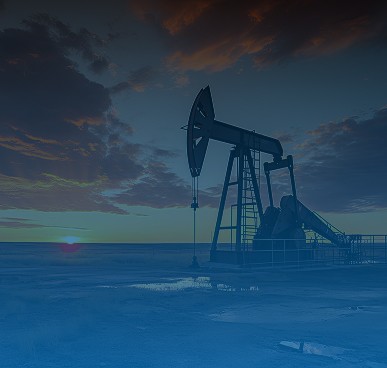
Oil & Gas
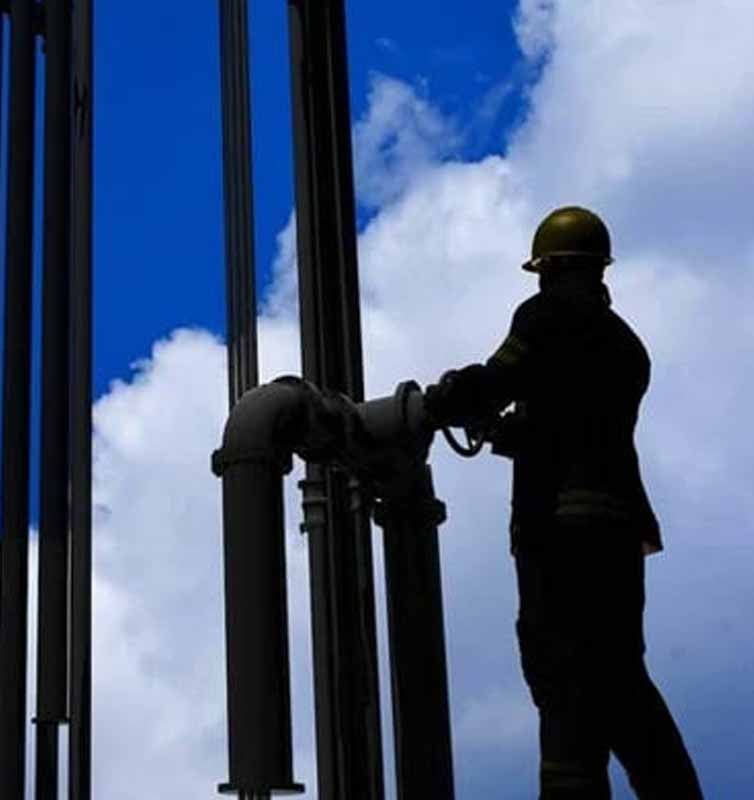
This is where hot shot trucking began, and it remains the heaviest user. Drilling and completion operations run continuously, so a failed pump, a wrong-spec valve, or a missing fishing tool stops everything. Loads range from a crated part in a cargo van to skidded equipment on a gooseneck flatbed, delivered to lease roads and field yards where no dock exists.

Technology
Data centers and semiconductor fabs measure downtime in revenue per minute. Hot shot delivery moves replacement server hardware, power distribution units, pumps, and spare modules from depots and suppliers to the facility. Smaller components travel in vans; rack-height equipment and heavier mechanical gear call for a straight truck with a liftgate.
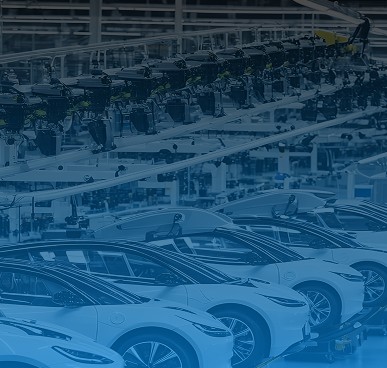
Automotive
Sequenced supply chains leave almost no buffer, and a line-down event forces immediate transportation decisions. Hot shot trucking carries stampings, molded components, wiring assemblies, and tooling from suppliers to plants. Volume dictates the vehicle: a single rack of parts in a van, a shift's worth of components in a straight truck, press dies on an open deck.
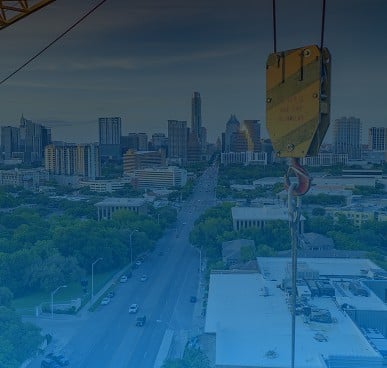
Construction
Project schedules absorb delays poorly, and idle crews and rented equipment cost money by the day. Hot shot services deliver replacement components, specialty materials, and equipment attachments to active sites. Flatbed hot shot equipment handles steel, pipe, and machinery, and its shorter length is an advantage where a 53-foot trailer cannot turn around.

Manufacturing
Lean production means a shortage becomes urgent quickly. Hot shot loads move raw stock, subassemblies, replacement drives and motors, and tooling between vendors and plants on an exclusive-use basis. Equipment scales from a van carrying a single skid to a straight truck carrying a partial production lot, with dock or liftgate configuration determined by the receiving facility.
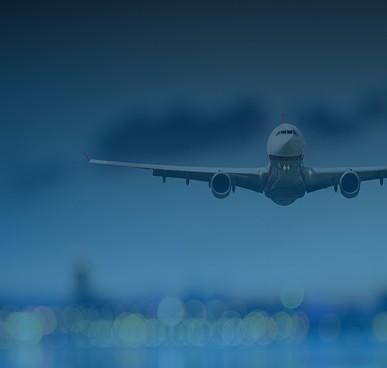
Aerospace & Defense
AOG situations and program deadlines generate freight that is high in value and tightly controlled. Hot shot trucking moves aircraft components, avionics, tooling, and ground support equipment between MRO facilities, plants, and installations. Exclusive use limits handling and supports chain-of-custody requirements; larger tooling moves on flatbeds or step decks when dimensions require it.
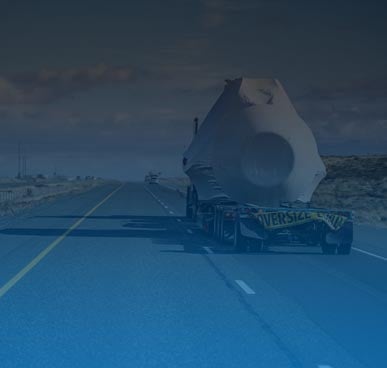
Machinery
Equipment dealers, rebuilders, and industrial service operations depend on rapid parts movement to keep customer machines running. Hot shot freight covers gearboxes, hydraulic assemblies, motors, and crated components, with the vehicle determined by weight and lifting capability at each end. Complete machines generally require open-deck equipment and sometimes ramps.
Mining
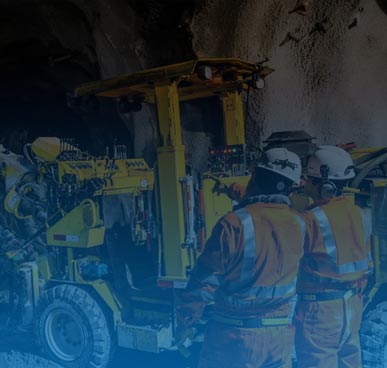
Remote sites and heavy equipment are a difficult combination when something breaks. Hot shot trucking delivers wear parts, electrical components, hydraulic assemblies, and conveyor components to mines and processing plants. These loads often need open decks and vehicles suited to long unpaved approaches, and single-piece weights frequently push the upper limit of what hot shot equipment can carry.
Telecommunications
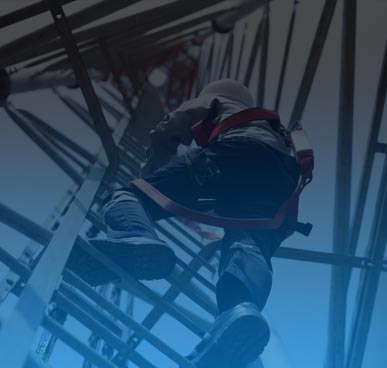
Network outages and construction milestones both drive urgent freight. Hot shot delivery carries radios, cabinets, batteries, fiber reels, and antenna hardware to central offices, tower sites, and field locations. Liftgate-equipped trucks matter here because tower compounds and equipment shelters rarely have lifting equipment on hand, and storm restoration work often requires open-deck capacity for poles and generators.
Ground Transportation and Expedited Trucking Services
Expedited Trucking Excellence: Explore Our Resource and Blog Section
FullTruckload.com is a leader in the expedited trucking industry. Our blog and resource section offers information and resources to improve your logistics strategy.
Frequently Asked Questions
What is hot shot trucking?
Hot shot trucking is expedited freight service in which a truck is dispatched on demand to carry a single customer's shipment directly to its destination. There is no consolidation with other freight, no terminal handling, and no scheduled departure to wait for — the vehicle is committed to that load alone.
The service is generally associated with shipments smaller than a full truckload, though the defining characteristic is the service model rather than the size. Equipment is selected to fit the freight and can include cargo vans, box and straight trucks, gooseneck flatbeds behind heavy-duty pickups, and full-size trailers. Hot shot trucking is most heavily used where downtime is expensive: energy operations, manufacturing, construction, and equipment service.
What is hot shot delivery?
Hot shot delivery describes the outcome of hot shot trucking — freight picked up quickly and driven straight through to the consignee on a dedicated vehicle. The phrase is used interchangeably with hot shot trucking, though "delivery" tends to emphasize the destination end of the move.
The practical difference from standard freight delivery is the absence of intermediate steps. A conventional shipment may be picked up, taken to a terminal, sorted, moved to another terminal, and finally delivered. A hot shot delivery involves one loading and one unloading, with driving in between. That structure removes most of the variability from transit time, though the actual duration still depends on distance, hours-of-service limits, traffic, and conditions at both facilities.
Where did the term "hot shot" come from?
The term originated in the oil industry, generally traced to the 1970s. Drilling operations losing money for every hour a rig sat idle needed critical parts faster than conventional freight could deliver them, so independent drivers with heavy-duty pickups began waiting at equipment manufacturers, loading components as soon as they were finished, and driving them directly to the well site.
Those runs were called hot shots because the freight was urgent and the truck went nowhere else. The model spread from oilfield supply into construction, mining, manufacturing, and general expedited freight, and the name carried with it. The core characteristics — fast dispatch, exclusive use, direct routing, and smaller-than-truckload volumes — have stayed remarkably consistent.
What equipment is used for hot shot loads?
Hot shot trucking uses whatever vehicle fits the load. Common options include full-size cargo vans for small palletized freight and parts; box trucks and straight trucks for several pallets or taller enclosed cargo; gooseneck, bumper-pull, and deckover flatbed trailers towed by one-ton pickups for steel, machinery, and open-deck freight; and full-size flatbeds or 53-foot dry vans when weight or volume requires them.
Capacity varies widely across that range, and published figures for any one configuration are not universal. Pickup-and-trailer combinations are limited by the towing vehicle's ratings as well as the trailer's, and dimensional limits differ significantly between a 20-foot gooseneck and a 48-foot flatbed. Equipment is confirmed against actual weight, dimensions, and loading requirements before dispatch.
What is a hot shot load?
A hot shot load is a shipment moving under hot shot service: urgent, dedicated to one customer, and generally smaller than a conventional full truckload. Weights commonly fall in the range of a few hundred pounds up to the mid five figures, though the upper bound depends entirely on the equipment used.
What makes a load a hot shot load has less to do with weight than with how it is handled. It is not combined with other freight, it does not enter a terminal network, and its routing is built around one origin and one destination. Typical examples include replacement machinery components, a partial production lot, steel or pipe for an active job site, and equipment being rushed between facilities.
What is the difference between hot shot trucking and expedited freight?
Expedited freight is the broad category: any transportation service organized around meeting a deadline rather than around network efficiency. It spans every equipment size, from cargo vans to team-driven 53-foot trailers, and includes air charter in some definitions.
Hot shot trucking is a subset within that category, distinguished by fast on-demand sourcing and by loads that generally fall below full truckload volume. In everyday use the terms overlap considerably, and many shipments could accurately be described either way. The distinction that carries practical weight is equipment and volume: a shipper describing a hot shot need is usually signaling a smaller, urgent load, while an expedited truckload request implies trailer-scale freight moving under time pressure.
What is the difference between hot shot trucking and LTL shipping?
Less-than-truckload shipping is built on consolidation. Freight from many customers travels together, moving through terminals where it is unloaded, sorted, and reloaded on its way to the destination. Sharing the vehicle keeps costs low, but the handling and terminal routing add days and increase the chance of damage.
Hot shot trucking removes consolidation entirely. One customer's freight occupies the truck, and the vehicle runs directly from pickup to delivery with no terminal stops. Transit is substantially faster and more predictable, and the freight is touched only at loading and unloading. The cost is higher per shipment, which is why LTL remains the sensible choice for routine small freight and hot shot service is reserved for shipments where timing or handling risk justifies the difference.
When should I use hot shot trucking instead of a full truckload?
Use hot shot service when the freight does not fill a trailer and the timing will not wait. A load of a few pallets, a single machine, or a bundle of steel does not require 53 feet of deck or trailer space, and paying for that capacity adds cost without adding speed. Right-sized hot shot equipment delivers the same exclusive-use, direct-transit service at a scale proportional to the freight.
Full truckload equipment is the better choice once volume approaches trailer capacity, when heavy palletized freight would exceed the ratings of smaller equipment, or when both ends of the move have docks and forklift support that make trailer loading efficient. Long lanes with substantial volume also favor a full-size trailer, where the cost per pound over distance is considerably lower.
How far can hot shot trucking travel?
There is no distance limit. Hot shot loads run locally, regionally, and coast to coast, and cross-border moves into Canada and Mexico are routine with the appropriate documentation and carrier authority.
What changes with distance is the practical arithmetic. Federal hours-of-service rules cap how far a single driver can travel in a day, so long runs translate into predictable transit days rather than open-ended speed. Assigning team drivers, who alternate so the vehicle keeps moving, can compress long-haul timing considerably. Cost efficiency also shifts with distance: a load that makes sense on a pickup and gooseneck for a few hundred miles may be better served by larger equipment on a cross-country lane.
What is on-demand trucking?
On-demand trucking is freight capacity arranged as it is needed rather than reserved in advance. A shipper identifies a load, capacity is sourced, and the truck is dispatched — without a contracted schedule, a recurring lane commitment, or a standing allocation of equipment.
The advantage is flexibility, which matters for freight that arises unpredictably: equipment failures, production shortfalls, project changes, and recovery shipments. The trade-off is that availability and pricing follow market conditions at the moment of booking rather than a negotiated rate. Access to a broad carrier network is what makes on-demand service dependable in practice, since it widens the pool of trucks that can be reached quickly in any given market.
What is direct-drive freight?
Direct-drive freight travels from origin to destination on one vehicle, with the same load aboard for the entire trip. The truck does not stop to pick up other freight, does not transfer the shipment to another vehicle, and does not route through a terminal.
The benefits are speed and integrity. Removing intermediate handling removes both the time it consumes and the risk it introduces, which matters for fragile, high-value, precisely counted, or sensitive cargo. It also simplifies accountability, since one driver has custody throughout. Direct-drive service is standard in hot shot and expedited trucking and is one of the primary reasons shippers choose dedicated capacity over network freight for time-sensitive moves.
What is exclusive-use freight service?
Exclusive-use service means the vehicle carries one customer's freight and nothing else. Even if the shipment occupies only part of the available space, the remaining capacity stays empty for the duration of the move.
That exclusivity produces several practical effects. Routing serves one shipment, so there are no detours for other pickups or deliveries. Handling is limited to loading and unloading. Security improves, because fewer people have access to the cargo area and the freight is not staged in terminals. Chain of custody is simpler to document, which matters for controlled, regulated, and high-value goods. Exclusive use is the foundation of hot shot trucking and the main reason its transit times are more predictable than shared-network alternatives.
What is same-day freight delivery?
Same-day freight delivery means a shipment is picked up and delivered within the same calendar day. It is achievable when the distance is within reach of a single driver's available hours and equipment can be sourced quickly enough to load early in the day.
Feasibility is a matter of arithmetic rather than effort. Distance, the time required to position a truck at the pickup, loading and unloading duration, traffic, and the receiving facility's hours all consume the same day. Regional lanes are usually workable; longer distances may require team drivers or an air solution. Rather than promising same-day service generically, FullTruckload.com evaluates each lane and shipment against those constraints and gives a realistic assessment before the load is committed.
Is hot shot trucking more expensive than standard shipping?
Per shipment, generally yes. Hot shot pricing reflects dedicated use of a vehicle, direct routing, and short-notice sourcing, and it does not benefit from the shared costs that make LTL economical. A shipper comparing a hot shot rate to an LTL quote for the same freight will usually see a meaningful difference.
The comparison that matters more is total cost. A production line idled for a day, a rig crew waiting on a part, or a construction crew standing by generally costs far more than the transportation premium. Hot shot service also frequently costs less than air freight for the same urgency, particularly for heavy items where air charges scale steeply. The question is not which rate is lower but which option costs less once downtime is counted.
What industries use hot shot trucking services?
Oil and gas remains the largest and oldest user, followed closely by construction, mining, manufacturing, and automotive. Technology and data center operations, aerospace and defense, machinery and industrial equipment, and telecommunications all rely on hot shot capacity as well, and healthcare, retail, and event logistics use it for time-critical moves.
The common factor is the cost of waiting. Each runs operations where an idle facility, crew, or production line burns money quickly, and where the freight is too large for a courier but does not fill a trailer. FullTruckload.com coordinates hot shot capacity across these sectors, matching each shipment to equipment appropriate for its weight, dimensions, and delivery conditions.