Skip to content

Truckload Brokerage

Truckload brokerage matches a shipper's load with a carrier's truck, so the freight moves without the shipper calling around for a truck. FullTruckload.com books dedicated trucks, from Sprinter vans to 53 ft dry vans and flatbeds, with one point of contact.

What shippers get

Quick Responses and Driver Updates

“Quick with responses and driver updates.” — Ryan

A Morning Call, a Same-Day Hot Shot

“Called at 9:30am for a hotshot from Dallas to Waller TX.” — Kollin

Delivered 500 Miles Away That Night

“Had a truck that morning and delivered that night 500 miles away!” — Michelle

Ways to find a truck

Calling carriers, truckload brokerage or your own trucks

Shippers find trucks in three main ways: calling carriers directly, using a broker or running their own fleet. FullTruckload.com books trucks for shippers; read across to compare.

Calling carriers Do it yourself Truckload brokerage FullTruckload.com Your own trucks Private fleet
Trucks of many types Sometimes: Carrier by carrier Yes: Van to flatbed Sometimes: What you own
More lanes covered Sometimes: Where carriers run Yes: Many carriers Sometimes: Your own routes
One contact for every load No: Many calls Yes: One point of contact Yes: In-house
No fleet to maintain Yes: No trucks to own Yes: No trucks to own No: Trucks and drivers
Help when trucks are scarce Sometimes: Keep calling Yes: Wider search Sometimes: Fleet size limits
Best for A few steady lanes Varied or urgent loads High steady volume

Calling carriers

Do it yourself
Trucks of many types
Sometimes: Carrier by carrier
More lanes covered
Sometimes: Where carriers run
One contact for every load
No: Many calls
No fleet to maintain
Yes: No trucks to own
Help when trucks are scarce
Sometimes: Keep calling
Best for
A few steady lanes

Truckload brokerage

FullTruckload.com
Trucks of many types
Yes: Van to flatbed
More lanes covered
Yes: Many carriers
One contact for every load
Yes: One point of contact
No fleet to maintain
Yes: No trucks to own
Help when trucks are scarce
Yes: Wider search
Best for
Varied or urgent loads

Your own trucks

Private fleet
Trucks of many types
Sometimes: What you own
More lanes covered
Sometimes: Your own routes
One contact for every load
Yes: In-house
No fleet to maintain
No: Trucks and drivers
Help when trucks are scarce
Sometimes: Fleet size limits
Best for
High steady volume

General comparison; many shippers use more than one approach.

Expeditor at his desk tracking a shipment
In short

The right truck, arranged

A broker matches your load with a carrier's truck.

Brokerage What it is

What truckload brokerage is

Truckload brokerage is a way of arranging freight in which a broker books a carrier's truck for a shipper's load. The broker does not own the truck; it finds one that fits the freight and the lane, confirms the booking and stays in touch until the load is delivered. This page is for shippers moving freight; carriers looking for loads will find them on load boards.

A broker load is simply a load that a carrier hauls through a broker rather than directly for the shipper. For the shipper, the freight still moves on a dedicated truck, loaded once and driven to the receiver.

The value is in the matching. Instead of calling carrier after carrier, the shipper shares the load once and a truck is found. FullTruckload.com works this way, booking dedicated trucks for each load.

Aerial view of a truck driving on the road
The point

Who owns, who arranges

Carriers own trucks; brokers arrange them.

Freight terms Who's who

Broker, carrier or asset-based

A carrier is a trucking company that owns trucks and hauls freight, whether it has one truck or thousands. An asset-based carrier is a term for a company that owns its own fleet, and some asset-based carriers also broker loads to other carriers when their own trucks are full. A broker arranges trucks for shippers without owning them, working with many carriers.

Each has a role. A carrier with trucks on a shipper's regular lane can be a good fit for steady freight. A broker can reach more trucks, more truck types and more lanes, which helps when the freight or the lane changes.

The key question for a shipper is not who owns the truck, but whether the right truck shows up on time and the freight is delivered as planned. FullTruckload.com focuses on that match for each load.

Brokered loads

How a brokered truckload moves, step by step

A brokered truckload usually follows six steps from the first call to proof of delivery. FullTruckload.com handles each one, so the shipper deals with one contact the whole way.

  1. 01

    Share the load

    The shipper shares what the freight is, the weight, the number of pallets or pieces, the dimensions, both addresses and the dates.

    • Details
  2. 02

    Match a truck

    The broker finds a carrier with the right truck near the pickup, sized to the load and suited to the lane and the sites.

    • Matching
  3. 03

    Confirm the booking

    The truck, pickup time and delivery plan are confirmed with the carrier and shared with the shipper before the run.

    • Booked
  4. 04

    Pick up the freight

    The driver arrives, the freight is loaded and the bill of lading is signed as a receipt for the load.

    • Pickup
  5. 05

    Track and update

    The broker follows the truck on the road and shares updates with the shipper, flagging any delay early.

    • Updates
  6. 06

    Deliver and confirm

    The receiver signs for the freight, and proof of delivery is shared with the shipper to close out the load.

    • Delivered

Trucks and trailers

The right truck for your freight

Hot shot truck5 / 6

Hot shot truck side view
32–40 ft42,000 lbs
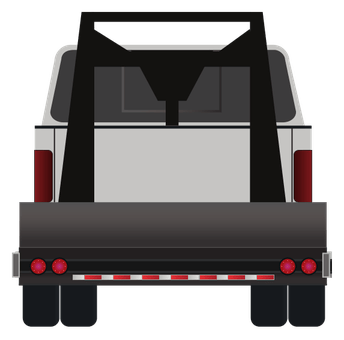
Hot shot truck rear view
102 inWide
120 inHigh
Deck length32–40 ft
Payload42,000 lbs
Deck width102 in
Load height120 in
Best for

Construction, oilfield and farm equipment, machinery

About hot shot trucks

A hot shot pairs a heavy-duty pickup with a gooseneck flatbed trailer. It is the fast choice for equipment and machinery that need an open deck but not a full semi. Ramps at the back let rolling equipment drive straight on.

Price a hot shot truck

Send the pickup, delivery and weight, and we'll match the truck to your load.

Talk to dispatch(800) 373-2480 Get a hot shot quote
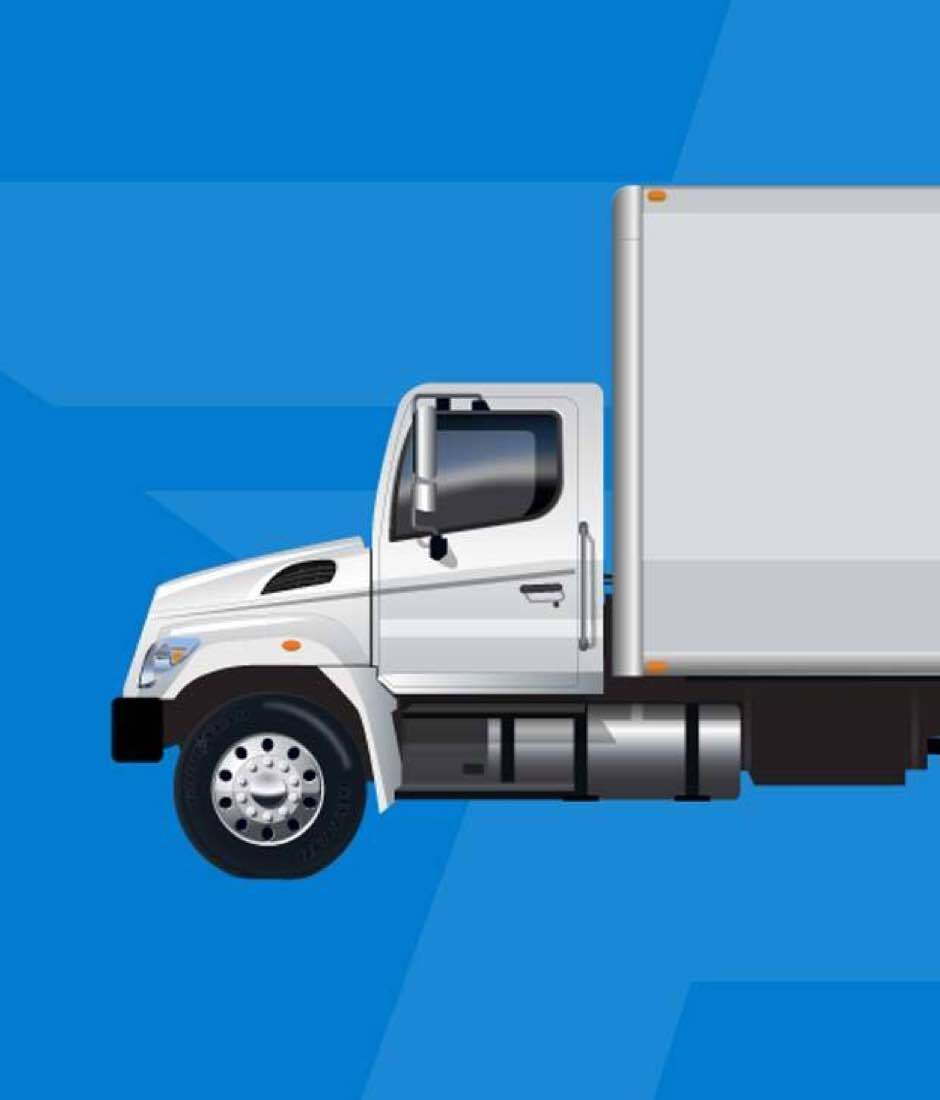
Straight truck (box truck)
The upshot

More trucks, one contact

Access, range and simplicity.

Shippers Why use it

Why shippers use brokerage

Shippers use truckload brokerage for a few practical reasons. The first is access: a broker can reach many carriers, so it can find a truck on lanes a shipper's regular carriers do not run, or when those carriers are full. The second is range: one load might need a flatbed, the next a straight truck with a liftgate and the next a Sprinter van, and a broker can book each one.

The third is simplicity. Instead of keeping a long list of carriers and calling around for each load, the shipper has one contact for every truck. That matters most when freight changes from week to week or arrives at short notice.

FullTruckload.com books trucks for shippers in exactly these situations, from regular lanes to one-off urgent loads.

5.0 from 1,600+ reviews on

A load and no truck lined up? Get a truckload quote.

Share the freight, both addresses and the dates, and we will book a dedicated truck for the load.

  • John Mark was a pleasure to work with and kept me updated on the driver's progress as it was an urgent and timely delivery we needed 11 hours away.

    Kenneth
  • Fantastic! I called and spoke to an extremely helpful gentlemen by the name of Kevin at 7:00 p.m. I couldn't ask for a better experience. Quick, Courteous, and had a driver sitting in PA at 9:30 the next morning.

    Devin

Request a Quote

Step 1 of 3Origin and Destination Info

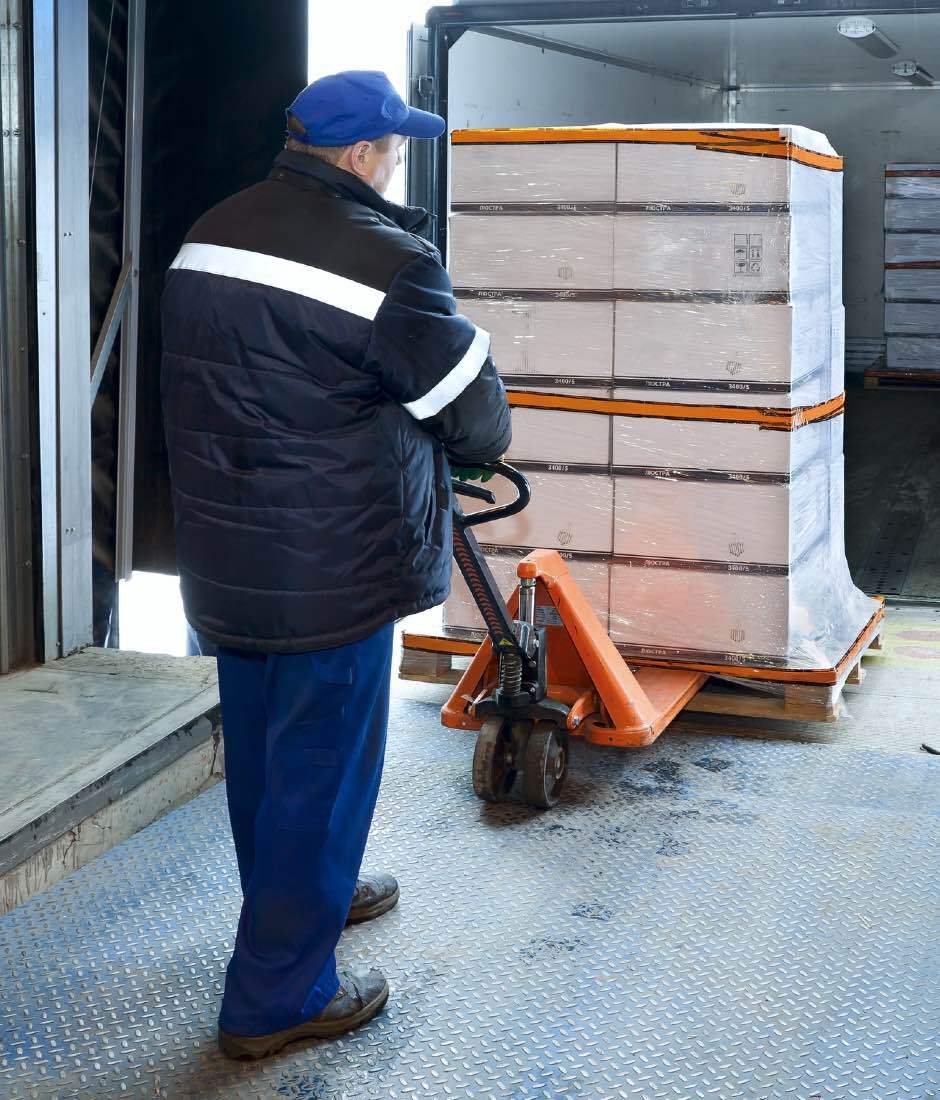
Worker loading a truck
The upshot

Surges and one-offs

Brokerage helps when freight does not follow a pattern.

Industries Who uses it

How industries use it

Manufacturers use brokerage for inbound parts and outbound goods, especially when volumes change or a plant needs an extra truck at short notice. Retailers lean on brokerage during seasonal peaks, when store and warehouse shipments rise faster than regular carriers can cover.

Construction companies book flatbeds and hot shots for materials and equipment going to job sites that change from project to project. Food and beverage companies move packaged goods in dry vans across many lanes. E-commerce sellers move inventory between fulfillment centers, and trade show teams book trucks to and from venues on fixed dates.

The common thread is freight that does not fit one steady pattern: surges, one-offs, new lanes or loads that need a different truck. That is where brokerage helps most. FullTruckload.com books trucks for these surges and one-offs as they come up.

Expeditor Andy
The upshot

Details book the right truck

Share the load once, get the right truck.

Booking Booking a load

Booking a brokered load

Booking a brokered load is quick when the details are ready. Share what the freight is, the total weight, the number of pallets or pieces and the dimensions of the largest item. Add the pickup and delivery addresses and dates, whether each site has a loading dock or needs a liftgate, any appointments and the contacts at each end.

Those details decide the truck: a Sprinter van or box truck for small loads, a straight truck for several pallets and liftgate deliveries, a hot shot for heavy urgent freight, and a 53 ft dry van or flatbed for full loads.

FullTruckload.com uses them to book a dedicated truck and keeps the shipper updated until proof of delivery. Brokerage works best when the shipper shares the load once and gets the right truck back.

Working with us

How FullTruckload.com books truckload freight

A load goes right when one person owns it, the option fits and the updates are honest.

Expeditor Kevin

“I had a single point of contact assigned to our shipment that was fantastic on keeping me updated every step of the way.”

Pamela · Trustpilot
HowWe Work

One Person, Start to Finish

When you call FullTruckload.com, you reach a real person right away, and that same person owns your load from the first call to final delivery. You never have to explain it twice.

Your coordinator books it, follows it the whole way and is the person you call next time.

  • A direct number for your coordinator
  • Updates at pickup and delivery
  • The same person on your next load
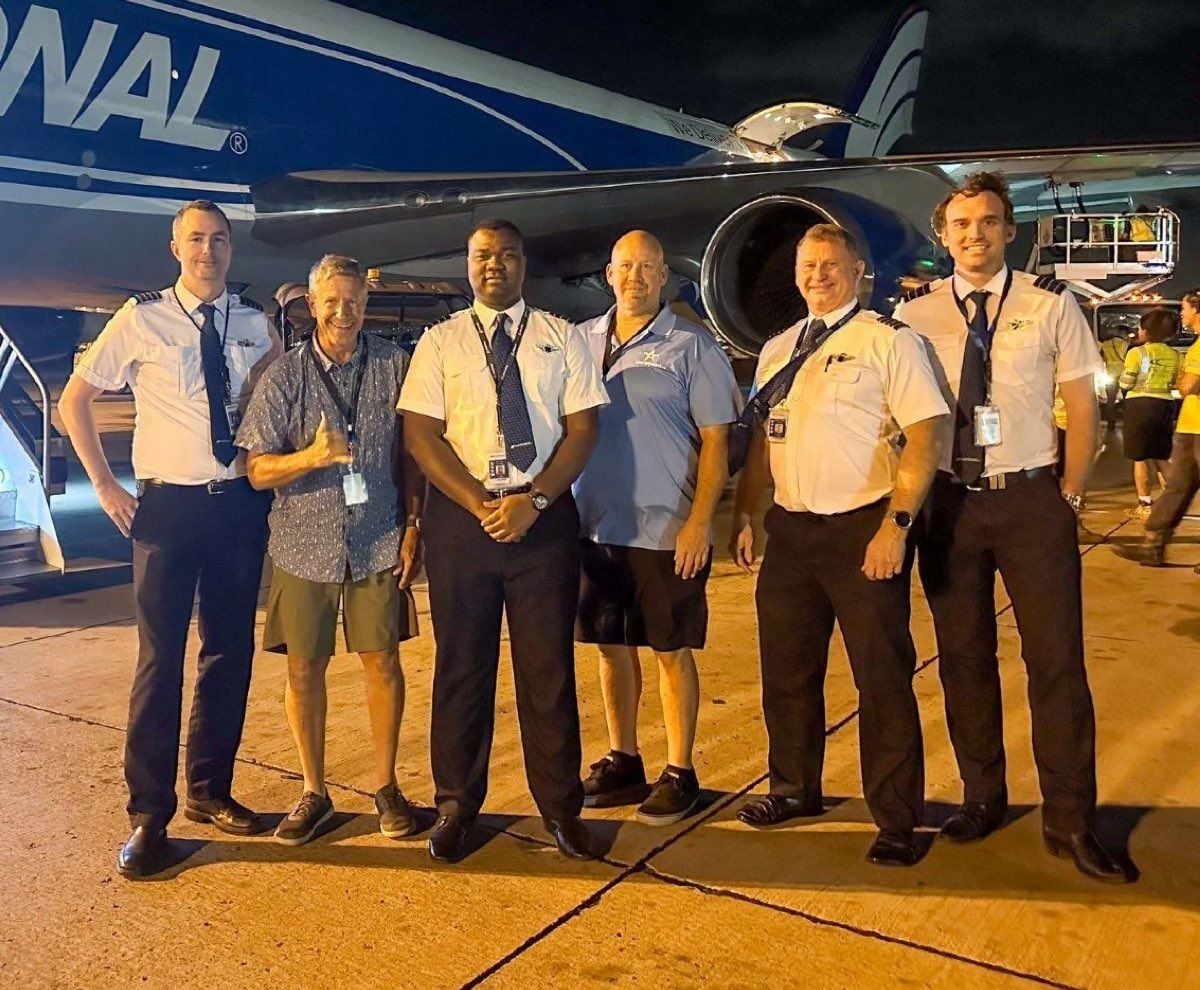
The expediting team at the airport

“I called up at 7:30 pm... one that was secured cancelled at the end of the day. Todd quoted three shipments on the spot... The last shipment was picked up at Midnight.”

Susan · Trustpilot
WhatWe Provide

The Right Mode, Every Time

Every load is different, and the right solution is the one that actually fits. We book Sprinter vans, box trucks, straight trucks, hot shots, 53 ft dry vans and flatbeds that run direct.

We match the load to the option it needs, so you never pay for capacity or speed you do not use.

  • Each option weighed against your deadline
  • The right truck for each load
  • One contact from booking to delivery
Expeditor Chris at the airport

“True to word. They did exactly what they said they would do.”

Dan · Trustpilot
WhoWe Are

Honest With You, Always

Urgent freight is stressful enough without wondering whether you have the full story. We give you the price before you commit, the timeline as it actually stands, and if something goes wrong, you hear it from us first.

That includes telling you when another truck fits your load better.

  • Clear quotes before you commit
  • Real updates, including the bad news
  • We tell you when another truck fits

Truckload Brokerage Questions Answered

What is truckload brokerage?

Truckload brokerage is a way of arranging freight in which a broker books a carrier's truck for a shipper's load. The broker does not own the truck; it matches the load with a carrier that has the right truck on the right lane, confirms the booking and stays in touch until delivery. The freight still moves on a dedicated truck, loaded once and driven direct. Sharing complete details when booking helps avoid delays. A provider can confirm what is possible for a specific shipment. Asking these questions before booking avoids surprises later.

How does truckload brokerage work?

It works in a few steps. The shipper shares the load details, the broker matches a carrier with the right truck near the pickup, and the booking is confirmed. The driver picks up the freight and signs the bill of lading, the broker tracks the truck and shares updates, and proof of delivery is shared once the receiver signs. A provider can confirm what is possible for a specific shipment. Asking these questions before booking avoids surprises later. Planning ahead makes the delivery go more smoothly.

What does broker load mean?

A broker load is a load that a carrier hauls through a broker rather than directly for the shipper. The broker arranges the load on the shipper's behalf and books the carrier's truck. For the shipper, the freight moves the same way as any truckload, on a dedicated truck from pickup to delivery, with the broker as the point of contact. Asking these questions before booking avoids surprises later. Planning ahead makes the delivery go more smoothly. Sharing complete details when booking helps avoid delays.

What is the difference between a broker and a carrier?

A carrier owns trucks and hauls freight, while a broker arranges trucks for shippers without owning them. A carrier is a good fit for steady freight on lanes it runs regularly. A broker can reach many carriers, so it can find more truck types on more lanes, which helps when freight changes or regular carriers are full. Planning ahead makes the delivery go more smoothly. Sharing complete details when booking helps avoid delays. A provider can confirm what is possible for a specific shipment.

What is an asset-based carrier?

An asset-based carrier is a trucking company that owns its own trucks and trailers, as opposed to a broker that arranges other companies' trucks. Some asset-based carriers also broker loads to other carriers when their own fleet is full. For shippers, the term mainly describes who owns the truck; what matters most is the right truck arriving on time. Sharing complete details when booking helps avoid delays. A provider can confirm what is possible for a specific shipment. Asking these questions before booking avoids surprises later.

Why do shippers use truckload brokerage?

Shippers use it for access to more trucks and lanes, a wider range of truck types and one point of contact for every load. It helps when regular carriers are full, when freight changes from load to load, during seasonal peaks or when a load comes up at short notice. It also saves calling around for each truck. A provider can confirm what is possible for a specific shipment. Asking these questions before booking avoids surprises later. Planning ahead makes the delivery go more smoothly.

What trucks can a truckload broker book?

A truckload broker can book a wide range of trucks, sized to each load. Common options include Sprinter vans for small loads, box trucks and straight trucks for several pallets and liftgate deliveries, hot shots for heavy urgent freight, 53 ft dry vans for full enclosed loads, and flatbeds for machinery, steel and building materials. The right choice depends on the weight, the size of the largest piece, whether the freight must stay enclosed and how each site loads and unloads. Asking these questions before booking avoids surprises later. Planning ahead makes the delivery go more smoothly.

Which industries use truckload brokerage?

Many industries rely on it. Manufacturers book trucks for parts and finished goods, retailers cover seasonal peaks, construction companies book flatbeds and hot shots for job sites, food and beverage companies move goods in dry vans, e-commerce sellers move inventory between fulfillment centers, and trade show teams book trucks for events. Brokerage helps most when freight does not follow one steady pattern, such as surges, one-off loads or new lanes. Planning ahead makes the delivery go more smoothly. Sharing complete details when booking helps avoid delays. A provider can confirm what is possible for a specific shipment.

How do brokers find trucks for a load?

Brokers find trucks by matching the load details with carriers that have the right truck near the pickup and run the lane. They look at the truck type, the size and weight of the freight, the pickup and delivery sites and the dates. Clear, complete details from the shipper make the match faster and help the right truck arrive the first time. Sharing complete details when booking helps avoid delays. A provider can confirm what is possible for a specific shipment. Asking these questions before booking avoids surprises later.

How do I book a truckload through a broker?

To book a truckload through a broker, share what the freight is, the total weight, the number of pallets or pieces and the dimensions. Add the pickup and delivery addresses and dates, whether each site has a loading dock or needs a liftgate, any appointments and the contacts at each end. The broker then books a dedicated truck sized to the load. A provider can confirm what is possible for a specific shipment. Asking these questions before booking avoids surprises later. Planning ahead makes the delivery go more smoothly.

Get a quote

Need a truck for your load? Get a quote now

Enter your pickup, delivery and date, and we will book a dedicated truck sized to the load.

5.0 from 1,600+ reviews on

Request a Quote

Step 1 of 3Origin and Destination Info

They were very fast. Picked up the item in about 3 hours of first contact and drove it straight to the destination with regular updates.

Eric · Verified review on Trustpilot
CTA Hero Star Background
TOP