

Trucking Companies in Missouri
Coordinating freight across Missouri means managing multiple carriers, equipment types, and corridor constraints at once. FullTruckload.com simplifies that complexity with a single point of contact, dedicated drivers, and an extensive network of vetted freight carriers ready to move your cargo on schedule. Join the shippers who trust our platform to connect them with the right trucking companies in Missouri for every lane, every load.
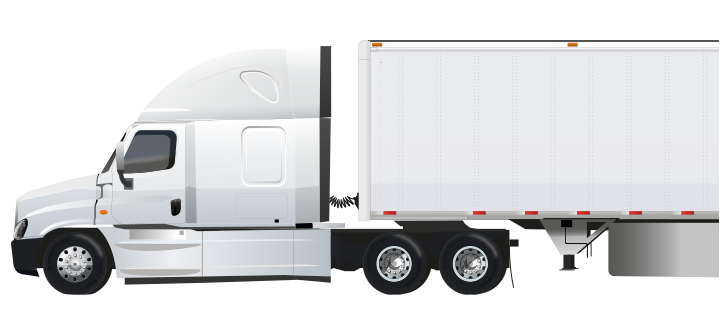





Full Truckload Services Across Missouri
Missouri Freight Coverage Across Every Major Corridor
Missouri sits at the crossroads of major north-south and east-west freight corridors, making it one of the most strategically important states for full truckload carriers operating across North America. From Kansas City to St. Louis and from the Bootheel to the Iowa border, freight moves through Missouri in every direction, every day.
FullTruckload.com connects shippers with trucking companies in Missouri that have the equipment, capacity, and operational experience to handle a comprehensive range of shipping requirements. Whether your shipment is a standard over-the-road tractor-trailer load or a complex project cargo move requiring special permitting, the right carrier match makes all the difference.
Our platform gives you access to full truckload carriers in Missouri with documented safety ratings, well-maintained equipment, and the technology infrastructure to provide real-time updates from pickup to delivery. We focus on matching your specific needs to freight carriers with a solid reputation for on-time performance and exceptional service.

Full Truckload Carriers
Full truckload shipments give your freight exclusive use of a trailer, reducing handling touchpoints and transit risk. FTL trucking in Missouri is the preferred mode for shippers moving palletized trucking loads, high-value goods, or time-sensitive shipments that cannot share space with other cargo. Our network of full truckload carriers Missouri shippers rely on includes both national truck companies and regional operators providing transportation services across dedicated routes.

Expedited Freight Shipping
When standard transit windows are not an option, expedited freight solutions provide priority routing and professional drivers who run direct to your destination. Missouri expedited freight providers in our network maintain relationships with owner-operators to scale capacity quickly when standard availability tightens. These shipping services are well equipped to handle urgent orders, delivery today scenarios, and time-critical loads where ground transportation speed is essential.

Flatbed Trucking
Missouri flatbed freight ranges from steel coils and building materials to oversized industrial equipment. Carriers in our network operate flatbed trucks suited for open-deck loads that cannot be enclosed, including step-deck and lowboy configurations for oversized loads that exceed standard trailer dimensions. Our flatbed services cover construction equipment, construction materials, and heavy production machinery requiring specialized rigging and escort coordination across Missouri routes.
WHAT WE DO
See How Missouri Full Truckload Freight Works
Missouri's freight corridors connect Midwest manufacturing and agriculture to markets across the country, and the right carrier makes all the difference. These resources break down how full truckload freight, expedited trucking, and dedicated trucking networks operate in practice for commercial trucking companies Missouri shippers depend on.
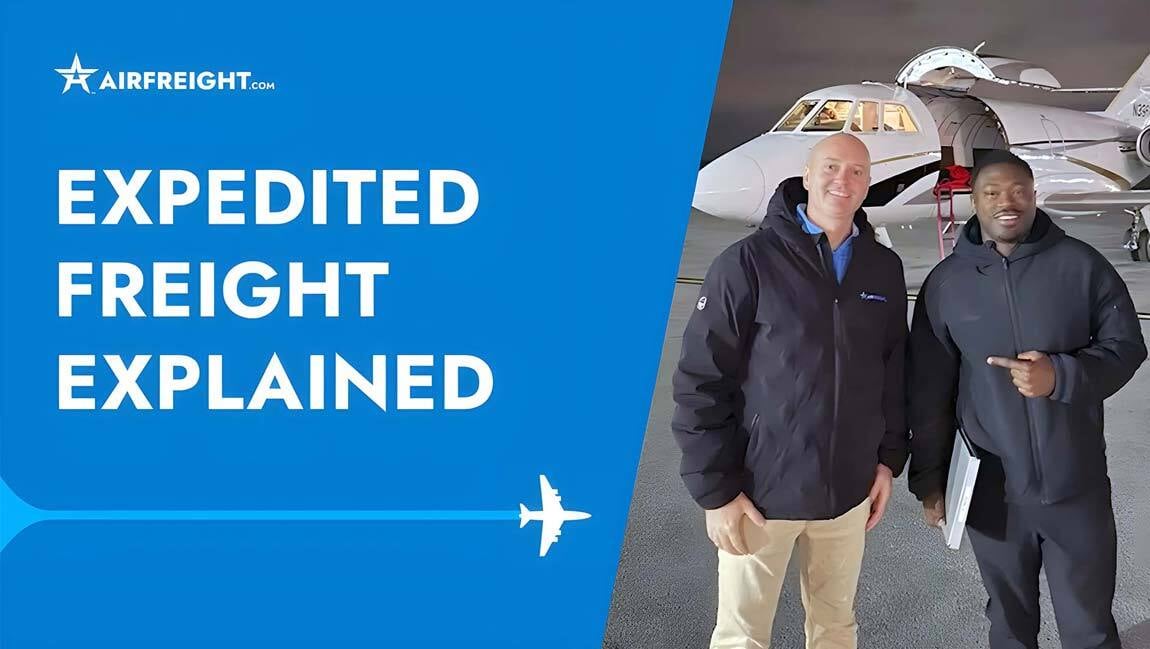
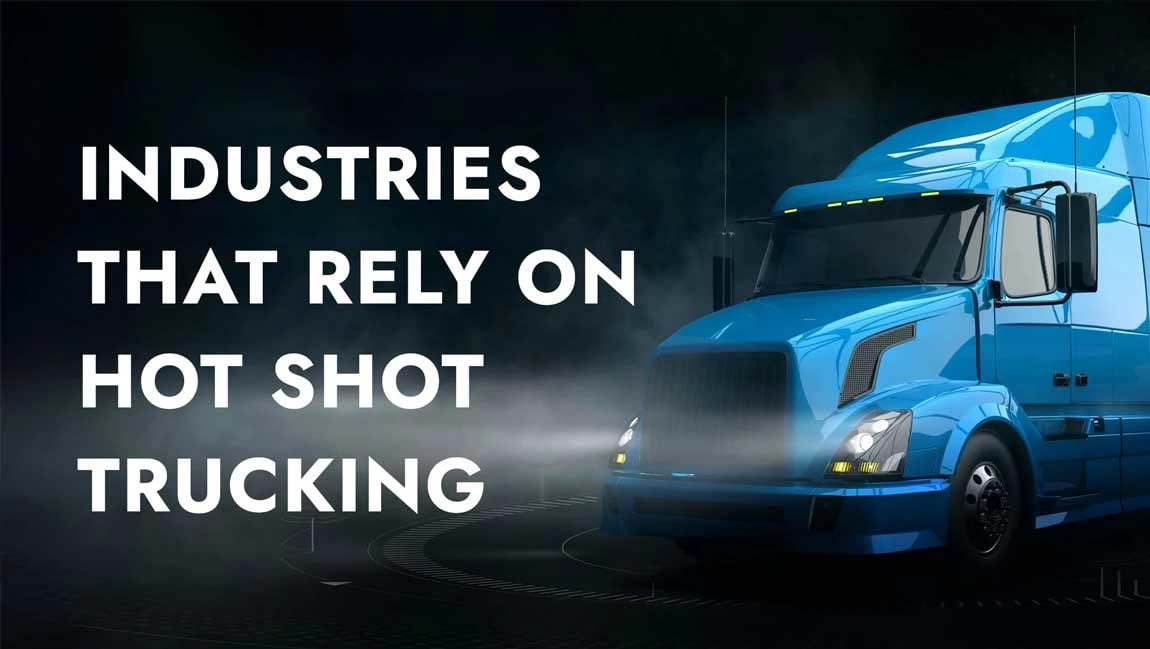
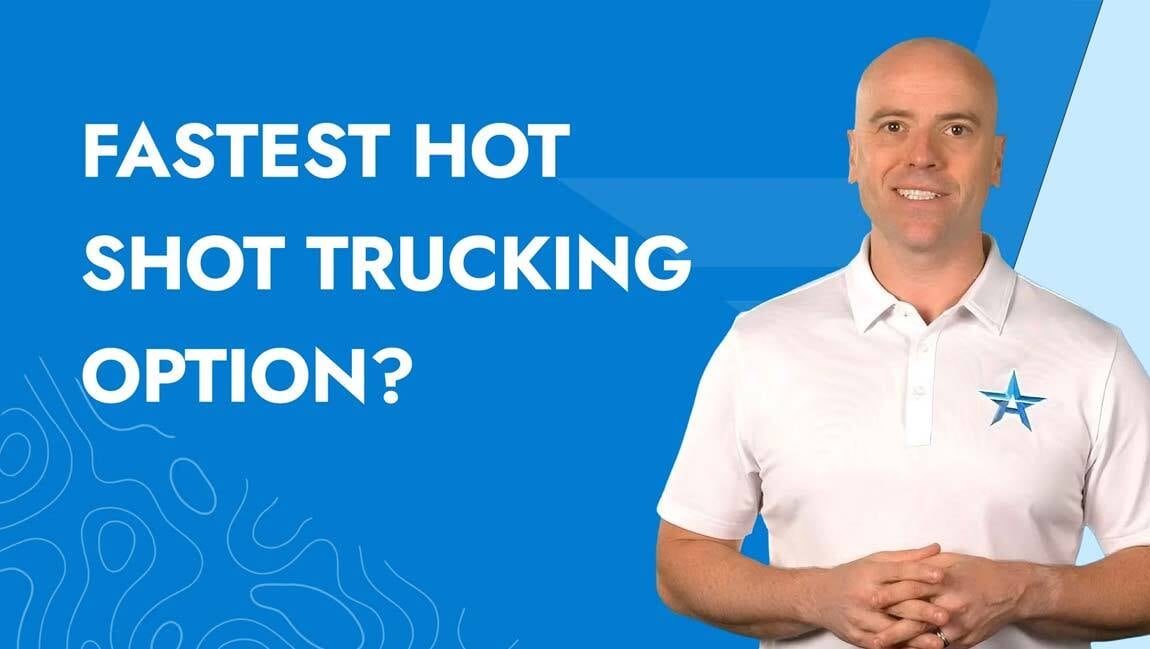
Missouri Trucking Services Built for Your Freight Requirements
KEY BENEFITS
NATIONWIDE NETWORK
FullTruckload.com maintains an extensive network of trucking companies in Missouri and connecting states, covering the full span of freight corridors from I-70 to I-44. Shippers gain access to truck freight companies Missouri-wide through a single platform, eliminating the manual processes of sourcing capacity lane by lane. Competitive rates for available loads are matched to your delivery needs, whether you require a dedicated tractor-trailer or a regional carrier for a shorter Missouri lane. National truck companies and smaller carriers are both represented, giving you flexibility based on load size, timeline, and budget. For shippers looking to book loads quickly, our platform surfaces the best match across available capacity without the friction of managing multiple load board searches independently.
EXPLORE OUR SERVICES

Missouri Freight Scenarios We Handle
- Long-Haul Lanes Into North
- Time-Critical Expedited
- Oilfield Equipment Across
- Industrial Project Cargo
- Over-the-Road Full Truckload
- Intermodal Freight Connections
- Owner-Operator Capacity for

Long-Haul Lanes Into North America
Missouri serves as a natural staging point for long haul trucking companies moving freight into the broader North American market. Shippers with outbound lanes to the Southeast, Southwest, or Pacific Northwest rely on experienced drivers who know the corridor and can maintain schedule across multi-day runs. FullTruckload.com matches these loads to carriers with a strong presence on the relevant lanes, documented safety ratings, and the capacity to handle consistent volume. Long-haul freight demands more than just a truck; it requires a carrier with the operational infrastructure to deliver reliably. Our coast-to-coast network of trucking companies in Missouri and beyond ensures your over-the-road shipments are covered.

Time-Critical Expedited Freight Moves
Expedited freight solutions exist for situations where standard transit timelines are not acceptable. A production line waiting on a critical component, a construction project stalled for equipment, or a distribution center facing a stock-out all represent scenarios where swift transportation is the only viable path. Missouri expedited truckers in our network run direct routes with professional drivers, bypassing consolidation points that add time and handling risk. These providers maintain priority capacity and can often dispatch within hours of a confirmed booking, supporting delivery today requirements and urgent order fulfillment across the state.

Oilfield Equipment Across Missouri Routes
Oil field equipment transport in Missouri requires carriers with experience in oversized and overweight permitting, route surveys, and escort coordination. Drilling components, wellhead assemblies, and heavy production equipment often exceed standard legal dimensions, making proper planning essential before the truck leaves the yard. Our network includes carriers with direct experience in oil field freight, including the documentation and compliance processes that protect your shipment and keep the move legal. Project timelines in the energy sector rarely have room for permitting errors or carrier inexperience, and the trucking companies in Missouri we work with are well equipped to mitigate risk on these moves.

Industrial Project Cargo Coordination
Project moves in Missouri often involve multiple shipments, multiple carriers, and tight sequencing requirements tied to installation or commissioning schedules. Industrial equipment, modular components, and large machinery require carriers with flatbed trucks, lowboy trailers, and the logistical coordination to manage complex multi-leg moves. FullTruckload.com provides a single point of contact for project coordination, consolidating carrier communication and freight tracking into one managed workflow. This reduces the administrative burden on your team while keeping the project on schedule. Our logistics company model means your account manager handles the complexity so your team can focus on execution.
Over-the-Road Full Truckload Shipments
Standard over-the-road full truckload freight remains the backbone of Missouri's commercial trucking economy. Shippers moving palletized goods, consumer products, raw materials, or manufactured components across state lines rely on FTL trucking in Missouri for its combination of cost efficiency and security. Exclusive trailer use means your freight is not co-mingled with other shippers' goods, reducing damage risk and simplifying chain-of-custody documentation. FullTruckload.com matches these loads to vetted truck freight companies Missouri shippers trust, with competitive rates and reliable on-time performance records. Different types of freight, from building materials to finished goods, are handled efficiently through our established carrier network.

Intermodal Freight Connections Statewide
Combining ground transportation with rail moves freight efficiently across longer distances, and Missouri's rail infrastructure makes it a natural hub for these connections. Drayage carriers in our network handle the first and last mile, connecting rail terminals in Kansas City and St. Louis to shipper and receiver locations statewide. For shippers evaluating multiple modes as an alternative to over-the-road trucking, the tradeoff typically involves transit time versus cost. Our experienced team can help you assess which mode fits your freight profile and delivery needs, and the trucking companies in Missouri we work with are positioned to support both dedicated routes and intermodal drayage efficiently.

Owner-Operator Capacity for Available Loads
Owner-operators represent a significant share of available capacity in Missouri's trucking industry. Many drivers run specific lanes consistently and bring a level of commitment to their loads that larger fleets sometimes cannot match. FullTruckload.com connects shippers with qualified owner-operators through a managed process that includes carrier vetting, insurance verification, and load board integration. For shippers looking to book loads quickly or access capacity on lanes where dedicated fleet options are limited, owner-operator matching provides a reliable and cost-competitive alternative. Many drivers in our network also pursue local truck driving jobs and regional lanes, giving shippers access to capacity across both short and long-distance corridors.
MISSOURI TRUCKING INSIGHTS
What to Know About Trucking Companies in Missouri
Expedited Freight Solutions for Missouri Shippers
Missouri sits at a geographic crossroads that makes it one of the most strategically important states for freight movement in North America. Trucking companies operating here have built extensive networks that connect manufacturers, distributors, and retailers to markets across the country. When standard transit times are not acceptable, expedited freight services step in to close the gap.
Expedited Freight Providers and Time-Critical Loads
Expedited freight providers in Missouri typically operate dedicated drivers and well maintained equipment to ensure cargo moves without unnecessary stops or relay transfers. Unlike standard truckload lanes, expedited freight solutions are structured around the shipment's deadline rather than a carrier's existing schedule. This distinction matters enormously for industries like automotive, aerospace, and manufacturing where a single delayed part can halt an entire production line.
Cargo Van and Sprinter Options for Smaller Shipments
Not every urgent load requires a full tractor trailer. Cargo van and sprinter options serve smaller shipments that still carry the same urgency as a full truckload. Missouri-based expedited freight companies often maintain a mixed fleet that includes cargo vans, straight trucks, and full-size tractor trailers, allowing them to match the right equipment to each freight requirement without forcing shippers into oversized solutions.
Expedited truckers operating out of Missouri hubs like Kansas City and St. Louis can reach most Midwest destinations within hours, and the majority of the continental United States within one to two days. This strong presence across the region gives shippers access to available loads and consistent capacity even during peak demand periods.
For shippers evaluating expedited freight solutions, safety ratings and a carrier's commitment to legal compliance are non-negotiable factors. A solid reputation built on consistent on-time performance, transparent communication, and well equipped vehicles separates reliable expedited freight companies from those that simply advertise speed without the operational infrastructure to back it up.

Full Truckload Shipping Across Missouri and Beyond
Full truckload shipping is the most straightforward freight mode for shippers moving enough product to fill a trailer. A single truck is assigned exclusively to one shipment, which means no freight consolidation, fewer handling touchpoints, and faster transit compared to less than truckload alternatives. For Missouri manufacturers and distributors moving high volumes, this translates directly into lower per-unit shipping costs and more predictable delivery windows.
Choosing the Right Trucking Company for Truckload Freight
Selecting the right trucking company for full truckload freight in Missouri requires evaluating more than just freight rates. Shippers should assess a carrier's safety ratings, the condition of their own fleet, and their track record for on-time performance across the specific lanes that matter to the business. National trucking companies offer broad geographic reach, but smaller carriers with a strong presence in Missouri often provide more responsive service and better local knowledge.
Dry Van, Flatbed, and Specialized Equipment
Full truckload capacity in Missouri spans dry van, flatbed trucks, and specialized equipment for project cargo and oilfield equipment. Flatbed trucks are essential for oversized or irregularly shaped freight that cannot be enclosed in a standard trailer. Carriers with a broad range of equipment types give shippers the flexibility to consolidate their carrier network rather than managing multiple carriers for different freight types.
Over-the-road truck drivers operating full truckload lanes in Missouri are subject to federal Hours of Service regulations, which directly affect transit times on longer corridors. Shippers who understand these constraints can plan load boards and pickup windows more effectively, reducing detention time and keeping drivers on schedule.
Truck companies with advanced logistics technology platforms allow shippers to book loads, monitor real-time tracking updates, and manage documentation without relying on manual processes. This operational efficiency reduces administrative burden and gives supply chain teams better visibility into freight status at every stage of the move.
Driving Opportunities and Owner Operator Programs in Missouri
Missouri's central location and dense industrial base create consistent freight demand that supports a large population of both company drivers and independent owner operators. Trucking jobs in the state span local truck driving jobs in metro areas like Kansas City and St. Louis, regional over-the-road runs, and long haul corridors that extend across the full breadth of North America. This variety gives drivers meaningful options when evaluating where to build a career.
Owner Operators and Load Board Access
Owner operators in Missouri typically access freight through a combination of direct carrier relationships and load board platforms. The ability to book loads quickly and efficiently is critical for independent operators who need to keep their trucks moving to maintain profitability. Carriers that offer owner operators access to more loads, competitive rates, and back-office support for legal compliance and fuel programs tend to attract and retain the most experienced drivers.
Dedicated Drivers vs. Over-the-Road Truck Drivers
Dedicated drivers operate on fixed lanes for a single client, offering schedule predictability that many drivers prefer over open-market over-the-road assignments. Trucking companies in Missouri that offer dedicated contract services provide drivers with consistent home time, predictable miles, and a stable relationship with a single shipper. For many drivers, this structure represents a meaningful quality-of-life improvement compared to traditional long haul arrangements.
Truck companies that treat their drivers with respect and invest in well maintained equipment consistently outperform competitors on driver retention metrics. High turnover is one of the most expensive operational problems in the trucking industry, and carriers that address it through better pay, better equipment, and genuine commitment to driver well-being gain a measurable competitive advantage.
For drivers considering a trucking career in Missouri, evaluating a carrier's safety culture, equipment quality, and freight requirements coverage is as important as the pay package. Many drivers and owner operators report that working with committed carriers who value their employees produces better long-term outcomes than chasing slightly higher rates with less stable operations.
Heavy Haul and Project Cargo Services in Missouri
Heavy haul freight requires a fundamentally different operational approach than standard truckload shipping. Loads that exceed legal weight or dimension limits require permits, route surveys, escort vehicles, and in some cases coordination with state and local authorities. Missouri's highway network and bridge infrastructure create specific constraints that experienced heavy haul carriers understand and plan around before a load ever moves.
Oilfield Equipment and Project Cargo Transport
Oilfield equipment and project cargo represent two of the most demanding categories within the heavy haul segment. These shipments often involve components that cannot be disassembled, require specialized trailers, and must arrive on a precise schedule to support larger construction or installation timelines. Trucking companies in Missouri that specialize in this work maintain relationships with permit agencies and have dedicated project managers who coordinate every element of the move.
Hazardous Materials and Compliance Requirements
Hazardous materials transport adds another layer of complexity to specialized freight operations. Carriers handling hazmat loads must maintain specific endorsements, follow strict packaging and placarding requirements, and ensure their drivers are trained and certified. Legal compliance in this area is not optional, and shippers should verify a carrier's hazmat credentials and safety ratings before tendering any load involving regulated materials.
Flatbed trucks, step-deck trailers, and lowboy configurations each serve different dimensional and weight profiles within the heavy haul category. Missouri carriers with a broad range of specialized equipment can handle more freight requirements in-house rather than brokering loads to secondary providers, which reduces coordination complexity and protects the shipper's timeline.
Project cargo moves often involve intermodal freight components, where a portion of the shipment travels by rail or water before transitioning to over-the-road transport for final delivery. Missouri's position along major river corridors and its access to intermodal rail terminals makes it a natural hub for these complex, multi-modal project moves. Carriers with experience managing intermodal handoffs provide shippers with a single point of accountability across the entire transportation chain.
Third-Party Logistics and Freight Technology in Missouri
Third-party logistics providers occupy a critical role in Missouri's freight ecosystem, connecting shippers with multiple carriers and managing the complexity of multi-lane, multi-mode freight programs. Rather than building and maintaining their own fleet, many shippers find it more cost-effective to partner with a 3PL that has already assembled an extensive network of vetted motor carriers, negotiated competitive rates, and built the technology infrastructure to manage freight at scale.
Best Freight Brokers and Carrier Vetting
The best freight brokers in Missouri do more than match loads to trucks. They actively manage carrier performance, monitor safety ratings, and ensure that every carrier in their network meets the legal compliance standards required by shippers and their customers. This vetting process protects shippers from exposure to unqualified carriers and provides a layer of accountability that is difficult to replicate when managing multiple carriers independently.
Advanced Logistics Technology and Real-Time Tracking
Advanced logistics technology has fundamentally changed how trucking companies and their clients interact. Real-time tracking platforms give shippers visibility into load status without requiring phone calls or manual check-ins. Automated load matching, electronic documentation, and digital proof of delivery all contribute to operational efficiency by eliminating manual processes that slow down freight operations and introduce errors into the supply chain.
Technology also plays a growing role in fleet maintenance and driver management. Carriers that use telematics and predictive maintenance tools experience fewer unexpected breakdowns, which directly improves on-time performance and reduces the cost of emergency repairs. For shippers, this means fewer service failures and more consistent execution across their freight program.
Providing transportation services through a 3PL model allows shippers to scale their freight capacity up or down without the fixed costs associated with maintaining their own fleet. This flexibility is particularly valuable for businesses with seasonal freight patterns or those expanding into new markets where they do not yet have established carrier relationships. Missouri-based 3PLs with a strong presence in the region can move a business forward by delivering the capacity, technology, and expertise needed to compete in today's logistics industry.
Expedited Trucking Excellence: Explore Our Resource and Blog Section
FullTruckload.com is a leader in the trucking industry. Our blog and resource section offers information and resources to improve your logistics strategy.
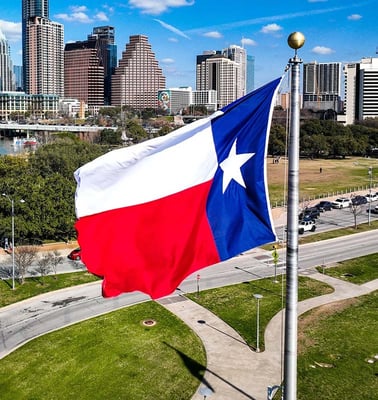
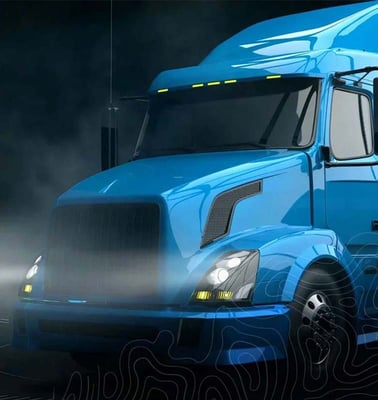
From critical shipments to ongoing support, see why businesses continue to choose FullTruckload.com