

Trucking Companies
Coordinating freight across multiple carriers, load types, and delivery windows can be challenging. FullTruckload.com makes it simple by connecting your cargo to a vetted network of professional drivers, owner operators, and national trucking companies built to move full truckload and expedited freight without the gaps.
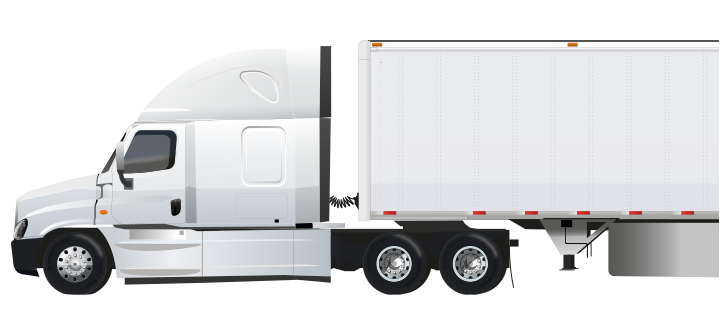





Freight Solutions Built for Serious Shippers
What Trucking Companies Actually Do for Your Supply Chain
Trucking companies are the operational backbone of freight transportation in the United States. They hold authority, maintain fleets of tractor trailers and specialized equipment, and work with experienced drivers to move freight across local, regional, and national lanes.
Not all truck companies are built the same. Some specialize in full truckload shipping, others in flatbed services, oversized loads, or expedited freight solutions. The right trucking company for your shipment depends on cargo type, transit requirements, and whether you need a dedicated vehicle or are willing to share capacity.
FullTruckload.com operates as a truck broker with an extensive network of vetted freight carriers, giving shippers access to multiple service types and shipping solutions without managing each relationship independently. Whether your freight requires a standard dry van, flatbed, or expedited ground service, our experienced team matches your load to the right capacity.

Full Truckload
Full truckload shipping gives your freight exclusive use of a trailer, eliminating handling touchpoints and reducing transit risk. Ideal for large shipments that fill or nearly fill a 53 ft. dry van, this service is the standard for shippers who need predictable transit and direct delivery without consolidation delays. Competitive freight rates and well maintained equipment make it the preferred choice for high-volume shippers focused on supply chain management.

Expedited Freight Services
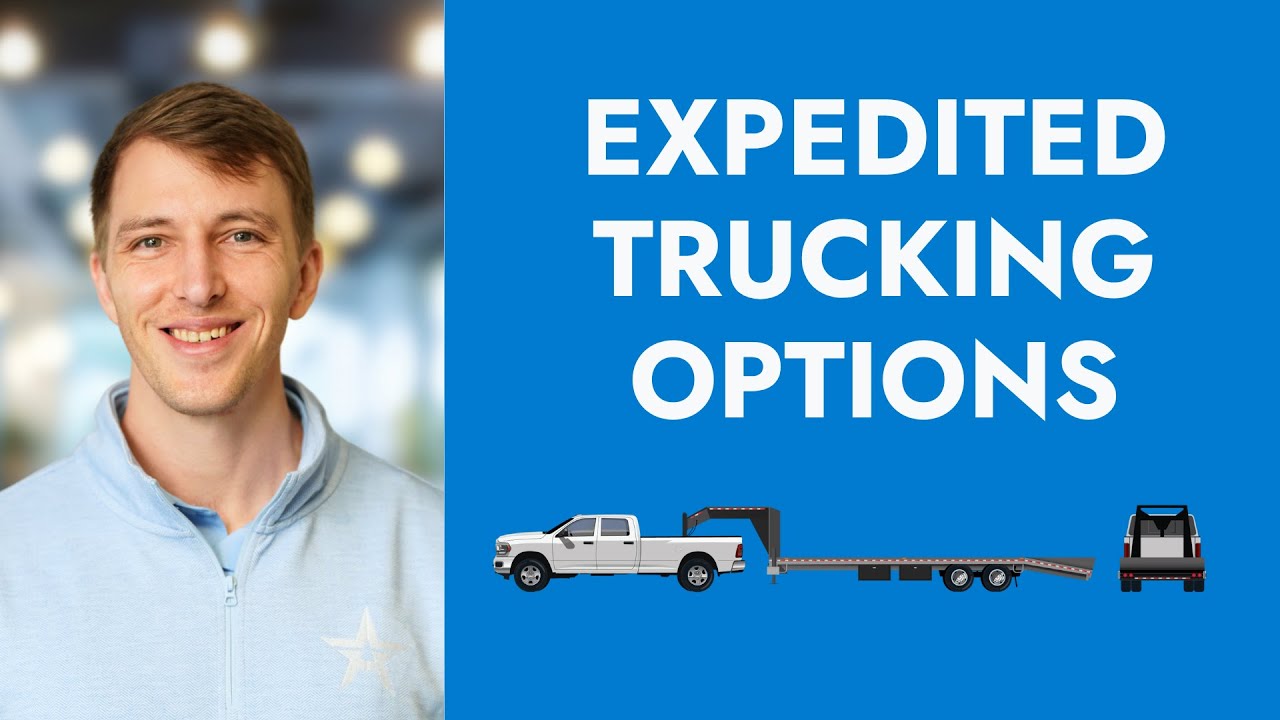
When standard ground transit does not meet your delivery window, expedited freight providers close the gap. Dedicated trucking moves your freight direct, bypassing terminals and relay points. Options range from cargo vans and hot shot trucks to full tractor trailer capacity for time-sensitive loads. For urgent orders that cannot wait, this is the class of service that makes all the difference.

Hot Shot Trucking
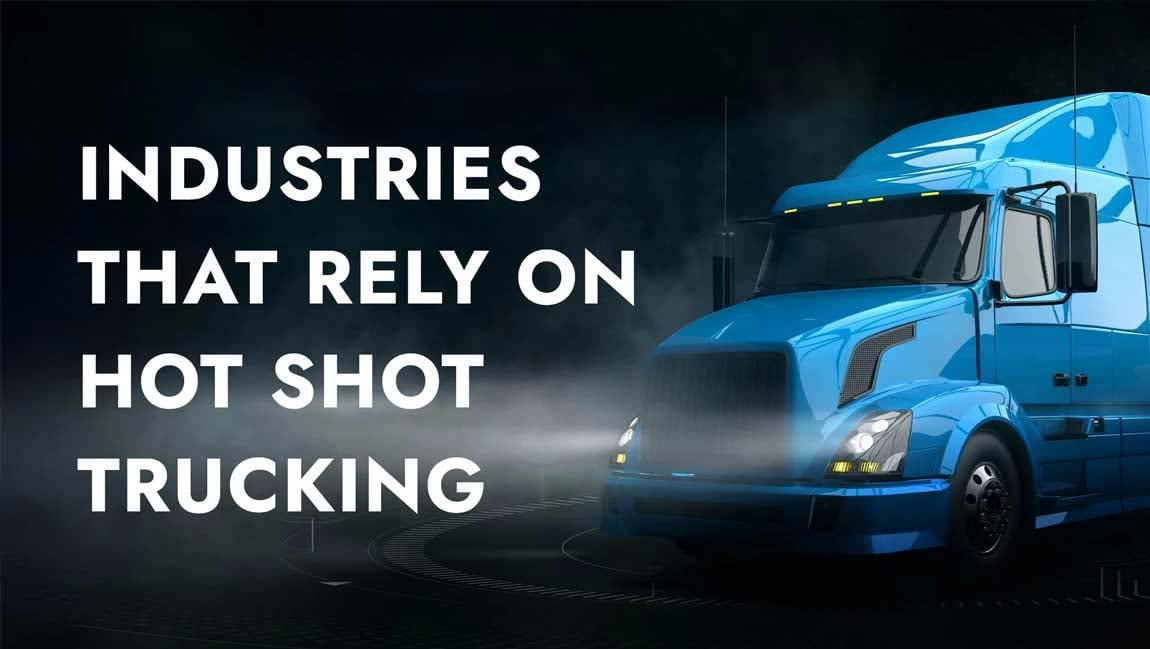
Hot shot trucking covers smaller shipments that need fast, dedicated ground transport without booking a full trailer. Commonly used for oilfield equipment, project freight, and manufacturing parts, hot shot services provide a cost-effective alternative when speed matters but volume does not justify a full truck load. Swift transportation and direct routing keep your delivery needs on schedule.
WHAT WE DO
Trucking Industry Insights
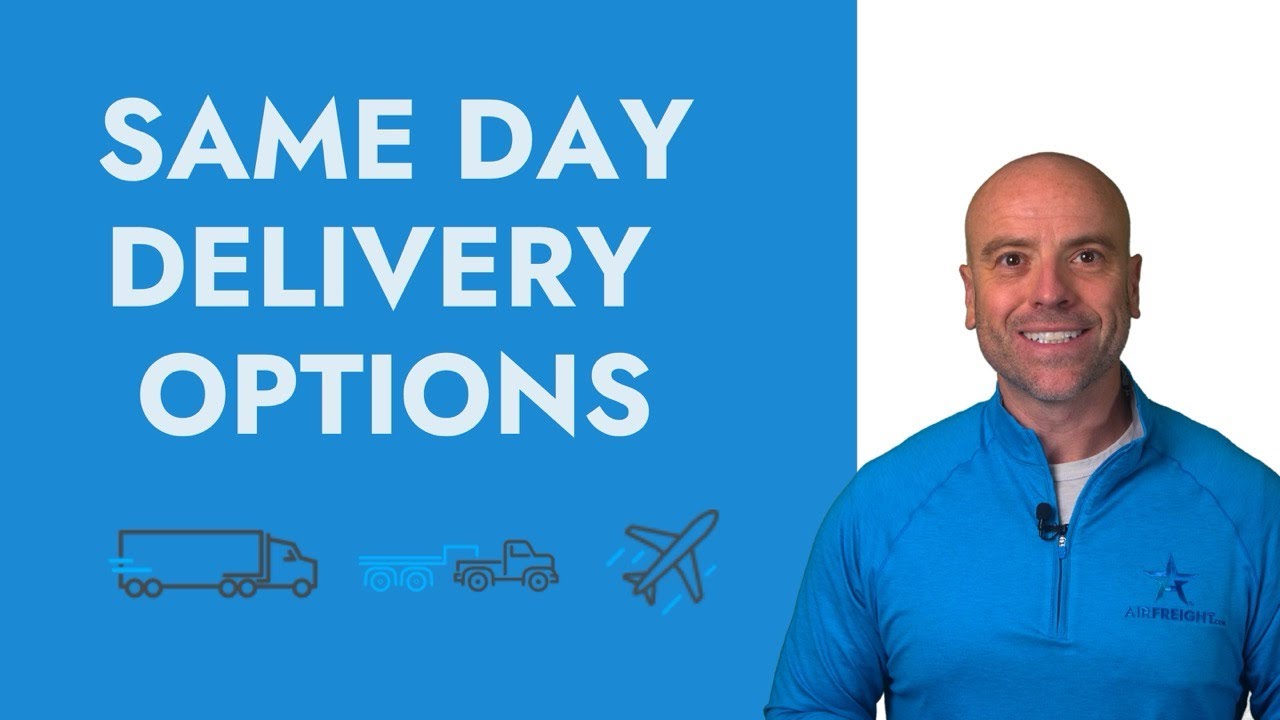
The freight transportation sector moves the majority of goods across North America, and understanding how different service types work helps shippers make faster, smarter decisions. These videos break down how expedited freight, hot shot trucking, and full truckload shipping operate in practice, covering everything from dedicated routes to over the road capacity options.
How FullTruckload.com Delivers for Shippers Across North America
KEY BENEFITS
NATIONWIDE NETWORK
FullTruckload.com maintains an extensive coast-to-coast network of trucking companies and independent operators providing ground transportation across the continent. Shippers gain access to freight carriers covering full truckload, flatbed services, expedited, and oversized load lanes without managing individual carrier relationships. Whether you need a tractor trailer for a long haul lane or a hot shot truck for a regional delivery, available loads are matched to vetted capacity across a broad range of freight types and geographies. This non-asset model means your team works with the best match for each specific shipment, efficiently and without delay.
EXPLORE OUR SERVICES



Industries and Freight Types We Serve
- Manufacturing Freight
- Oil Field Equipment
- Expedited Ground Freight
- Heavy Haul Transport
- Intermodal Freight
- Automotive Parts Freight
- Hazardous Materials

Manufacturing Freight
Production lines depend on parts arriving on schedule. When a supplier shipment is late or a line-down situation develops, expedited freight providers with dedicated trucking solutions can recover the gap. FullTruckload.com connects manufacturers to experienced drivers and available capacity across the carrier network, covering everything from palletized trucking of raw materials to oversized components. Competitive freight rates and real-time updates keep procurement and logistics teams informed without constant manual follow-up.

Oil Field Equipment
Oilfield equipment transporting demands freight carriers with the right equipment, permits, and experience. Flatbed services and oversized load capacity within the FullTruckload.com network cover pressure vessels, project freight, and construction materials moving to remote well sites. Truck companies serving the oil field sector must maintain compliance with state and federal oversize regulations, and the carriers in our network are vetted for exactly that. Fast dispatch and strong presence in energy-producing regions keep operations moving.
Expedited Ground Freight
Not every urgent shipment needs air freight. Ground expedited trucking fills the gap between standard transit and air, using dedicated routes and direct routing to compress delivery windows without the cost of chartering a flight. Expedited freight providers in the FullTruckload.com network handle same day and next day freight across regional and national lanes, with cargo vans, straight trucks, and tractor trailers available depending on shipment size and urgency. Day freight delivery services are available for time-critical needs.

Heavy Haul Transport
Moving oversized or overweight freight requires more than just a big truck. Permit coordination, route surveys, and specialized equipment are all part of transporting oversized loads legally and safely. FullTruckload.com works with carriers experienced in this class of freight, including lowboy, step deck, and multi-axle configurations. Project freight, industrial machinery, and building materials are common types, and the network is built to handle the complexity that comes with non-standard loads. Our team helps mitigate risk at every stage of the move.

Intermodal Freight
Combining rail and truck transport to move freight efficiently across longer distances, intermodal shipping uses multiple modes to reduce cost on consistent lanes. Trucking companies play a critical role in these supply chains, handling drayage at origin and destination while rail covers the long haul segment. For shippers moving high volumes on established corridors, this approach can reduce freight rates compared to over the road alternatives. FullTruckload.com helps shippers evaluate whether this fits their specific needs and connects them to carriers that support drayage and final mile.

Automotive Parts Freight
Automotive supply chains run on tight schedules, and a single delayed shipment can affect assembly throughput. Shipping services for automotive freight require freight carriers with experience in time-definite delivery, proper load securement, and the ability to handle both palletized trucking and bulk components. FullTruckload.com matches automotive shippers to experienced drivers with the right equipment and lane coverage, supporting both routine replenishment and emergency expedited freight solutions when production schedules are at risk.

Hazardous Materials
Shipping hazardous materials requires freight carriers with proper certifications, trained professional drivers, and documented compliance with DOT and PHMSA regulations. Not all truck companies are well equipped to handle hazmat freight, which makes carrier vetting especially important. FullTruckload.com identifies carriers within the network that hold the appropriate hazmat authority and equipment, reducing compliance risk for shippers who move chemicals, flammables, or other regulated freight on a regular basis. Our focus on carrier quality helps shippers resolve compliance concerns before they become operational problems.
INDUSTRY KNOWLEDGE HUB
What Sets Leading Trucking Companies Apart From the Rest

How to Identify the Right Trucking Company
Selecting among the many trucking companies operating across North America requires more than a quick price comparison. Shippers need to assess safety ratings, carrier authority, fleet condition, and the breadth of transportation services offered before committing to a provider.
Safety Ratings and Legal Compliance
A carrier's safety record is publicly available through FMCSA and should be the first checkpoint in any vetting process. Legal compliance covers not just DOT registration but also proper handling protocols for hazardous materials, weight restrictions, and hours-of-service rules. Carriers that cut corners on compliance create liability exposure for shippers.
Well Maintained Equipment and Own Fleet
A trucking company operating its own fleet with well maintained equipment gives shippers far more reliability than brokers routing loads through unknown smaller carriers. Fleet maintenance schedules, trailer age, and GPS tracking capability are all indicators of operational maturity. Ask directly whether the carrier owns its equipment or relies heavily on owner operators.
The right trucking company will also carry a broad range of equipment types, from dry van and flatbed trucks to tanker and specialized units for project cargo or oilfield equipment. This versatility reduces the need to manage multiple carriers for different freight requirements.
A solid reputation built over years of providing transportation services is difficult to fake. Check references, review carrier scorecards, and look for a strong presence in the lanes that matter most to your operation. National trucking companies with an extensive network of terminals and drivers tend to offer more consistent transit times than regional-only providers.
Expedited Freight Solutions for Time-Critical Cargo
Expedited freight services exist because standard ground networks are built around efficiency at scale, not speed for individual shipments. When a production line is down or a customer deadline is non-negotiable, expedited freight solutions route cargo outside the normal hub-and-spoke system entirely.
Dedicated Drivers and Direct Routing
Expedited truckers typically operate in teams, allowing a tractor trailer to run continuously without mandatory rest stops slowing the load. Dedicated drivers assigned exclusively to a single shipment eliminate the relay handoffs that introduce delay and damage risk. This model is fundamentally different from standard less than truckload or full truckload networks.
Expedited Freight Providers and Mode Selection
Experienced expedited freight providers will evaluate whether ground expedited trucking, a cargo van, a hotshot truck, or even next flight air freight is the right tool for a given shipment. The decision depends on weight, dimensions, origin-destination pair, and delivery window. Providers with access to multiple modes can offer competitive rates without defaulting to the most expensive option.
Expedited freight companies that specialize in this segment maintain available loads and driver capacity around the clock, including weekends and holidays. This on-demand availability is what separates true expedited freight providers from standard carriers that offer expedited as an upsell. Shippers with recurring urgent freight requirements benefit from establishing a standing relationship rather than booking ad hoc.
For same day delivery or next day commitments, the carrier's dispatch infrastructure matters as much as the trucks themselves. Real-time tracking, proactive communication, and a committed operations team are non-negotiable for shipments where every hour counts.

Full Truckload Compared to Competing Freight Modes
Full truckload shipping moves a single shipper's cargo in one trailer from origin to destination without intermediate stops or terminal handling. This direct model reduces transit time, lowers damage rates, and simplifies tracking compared to modes that consolidate freight from multiple shippers.
Truck Load Economics vs. Less Than Truckload
For shipments that fill or nearly fill a trailer, the truck load rate per unit almost always beats less than truckload pricing once accessorial fees are factored in. LTL networks add terminal touches, repalletization risk, and longer transit windows. Shippers moving palletized trucking loads of 10 or more pallets should run a full truckload comparison before defaulting to LTL.
Intermodal Freight and Long Haul Trade-offs
Intermodal freight combines rail and truck segments to reduce cost on long haul lanes, typically those exceeding 750 miles. The trade-off is transit time: intermodal adds one to two days compared to over-the-road truck drivers running the same lane. For non-urgent, high-volume freight, intermodal is a legitimate cost management tool within a broader transportation strategy.
Air freight and air charter services sit at the opposite end of the cost-speed spectrum. They are appropriate for extremely time-sensitive or high-value cargo where ground transit is not viable, but they are not a substitute for a well-structured ground trucking program. Most shippers use air as an exception mode, not a primary channel.
Third-party logistics providers and best freight brokers can help shippers model mode trade-offs across their full freight network. Advanced logistics technology now allows real-time freight rate comparisons across carriers and modes, giving shippers the data needed to make defensible routing decisions rather than relying on habit or single-carrier relationships.

Technology Driving Operational Efficiency in Trucking
The trucking industry has undergone a significant technology shift over the past decade. Carriers that have invested in fleet management platforms, electronic logging devices, and real-time tracking systems consistently outperform those still relying on manual processes for dispatch and load planning.
Load Board Integration and Available Loads
Digital load board platforms have transformed how carriers find available loads and how shippers access capacity. Owner operators and smaller carriers can now book loads in minutes rather than spending hours on the phone with brokers. For shippers, this means broader access to the carrier network, particularly in tight capacity markets where national trucking companies may not have equipment positioned correctly.
Streamlining Manual Processes with Advanced Logistics Technology
Advanced logistics technology eliminates manual processes that slow invoicing, proof-of-delivery, and exception management. Automated freight matching, electronic bills of lading, and integrated TMS platforms reduce administrative burden for both carriers and clients. The result is faster cash cycles for carriers and cleaner data for shippers managing supply chain performance.
Fleet maintenance tracking software gives operations teams visibility into preventive maintenance schedules, reducing unexpected breakdowns that disrupt delivery commitments. Carriers with well equipped, technology-enabled fleets also tend to attract and retain better drivers, since many truck drivers prefer working for companies that invest in modern equipment and digital tools.
For shippers evaluating trucking companies, asking about technology infrastructure is as important as asking about equipment. A carrier that can provide API-level integration with your TMS, automated status updates, and digital documentation will reduce your internal workload and improve the exceptional service experience your customers expect.

Driving Opportunities Across the Trucking Industry
The transportation industry employs millions of people across driving, operations, dispatch, and logistics roles. For those considering a trucking career, the range of driving opportunities spans local truck driving jobs, regional runs, and over-the-road truck drivers covering transcontinental lanes.
Trucking Jobs for Owner Operators and Company Drivers
Trucking jobs fall into two broad categories: company driver positions and owner operator arrangements. Company drivers receive a salary or per-mile rate, benefits, and access to the carrier's own fleet without the capital risk of equipment ownership. Owner operators take on more financial responsibility but gain flexibility in load selection and the ability to book loads directly through brokers or load boards.
Driving Jobs in Specialized Freight Sectors
Specialized driving jobs in heavy haul, tanker, flatbed, or oilfield equipment transport typically pay a premium over standard van freight. These roles require additional endorsements, training, and experience with securing and protecting oversized or hazardous loads. Many drivers find that specializing in a freight type builds a more sustainable long-term career than competing on general freight lanes alone.
The best trucking company for a driver is one that combines competitive rates per mile with respect for driver life, predictable home time, and well maintained equipment. Many drivers and employees report that company culture, dispatcher relationships, and commitment to safety matter as much as pay when evaluating where to work.
As the logistics industry faces ongoing driver shortages, trucking companies are investing more in recruiting, retention, and training programs. Carriers that treat drivers as committed partners rather than interchangeable labor tend to build stronger, more reliable operations, which ultimately benefits the clients and the broader economy they serve.
Expedited Trucking Excellence: Explore Our Resource and Blog Section
FullTruckload.com is a leader in the trucking industry. Our blog and resource section offers information and resources to improve your logistics strategy.


From critical shipments to ongoing support, see why businesses continue to choose FullTruckload.com