
Skip to content
5.0 rated on Trustpilot

Truck Brokers

A good truck broker finds the right truck and stays on the load until it is delivered. FullTruckload.com is a truckload broker that books licensed carriers for your freight. One contact knows where your shipment is at every stage.

What shippers say

A Truck the Same Morning

“Had a truck that morning and delivered that night 500 miles away!” — Michelle

One Contact to Call Again

“I have Kevin's email saved for the next time I need a truck.” — Corey

Live Truck Location Updates

“He kept us updated on the truck location and the order delivered ahead of schedule!” — Stacie

Expeditor at his desk tracking a shipment
In short

Arranges the truck, not the haul

A broker books a licensed carrier for your load and manages the move until delivery.

Truck brokers What they do

What a truck broker does

From a single urgent pallet to a steady stream of full truckloads, a truck broker arranges trucks for shippers. A broker holds federal authority to arrange transportation but does not own trucks, employ the drivers or take possession of the freight. Instead, it books a licensed motor carrier to haul each load.

The broker's work sits around the truck. It finds a carrier with the right equipment, agrees the rate, schedules pickup and delivery, tracks the load and steps in when something changes, such as a late truck or a dock that will not accept the freight.

FullTruckload.com is a truckload broker for shippers across the US, Canada and Mexico. We give you direct access to dedicated trucks through licensed carriers, backed by one point of contact who manages each load from pickup to delivery.


Expeditor Kevin
Load process Brokered loads

How a brokered load works

When you need a truck, a brokered load follows a clear sequence. You tender the load with its details: what it is, how much it weighs, where it goes and when. The broker quotes the move, and once you approve it, books a carrier and sends that carrier a rate confirmation with the load terms.

The carrier picks up the freight, and the driver signs the bill of lading. The broker tracks the truck, keeps you updated and handles changes along the way. At delivery the receiver signs for the freight, and proof of delivery closes the load.

It's also how one call can cover many lanes and truck types, so you do not need a carrier for every route. FullTruckload.com manages each of these steps and keeps you informed from tender to signature.

How brokerage works

A brokered load, step by step

Every load FullTruckload.com brokers follows the same six steps, from the moment you tender it to signed proof of delivery.

  1. 01

    Tender the load

    Share the commodity, weight, pallet count, dimensions, pickup and delivery addresses, dock hours and dates. Complete details let your contact find the right truck for the load quickly.

    • Load details
  2. 02

    Quote and confirm

    Your contact quotes the load and confirms the equipment, from a Sprinter van to a 53 ft dry van or flatbed. Nothing is booked until you approve the quote and the pickup window.

    • Quote approval
  3. 03

    Book the carrier

    A licensed carrier with the right equipment is booked for your load and receives a rate confirmation with the terms. You get the carrier, truck and driver details before pickup.

    • Rate confirmation
  4. 04

    Pick up with the BOL

    The driver arrives, the freight is loaded and secured, and the bill of lading is signed with the piece count. Any damage or shortage is noted before the truck leaves.

    • Bill of lading
  5. 05

    Track and update

    The truck runs direct to delivery. Your contact follows it, sends you updates and handles any change, such as weather or a revised appointment, before it becomes a problem.

    • Tracking updates
  6. 06

    Deliver and close

    The receiver signs for the freight and notes any exceptions. You receive proof of delivery, and the load is closed out with the same contact who booked it.

    • Proof of delivery

Broker authority and financial security requirements are set by FMCSA.

Aerial view of a truck driving on the road
In plain terms

Two rates, one load

The broker is paid the difference between the shipper's rate and the carrier's rate.

Broker pay Truck brokers

How truck brokers get paid

A truck broker earns its income from the difference between two rates, smaller than a carrier's revenue on the load but tied to the same move. The shipper pays the broker a rate for the load. The broker pays the carrier that hauls it, and what remains covers the broker's work of finding the truck, managing the move and handling problems.

Both rates follow the same market. As with most truckload freight, distance, the type of truck, how soon it has to go and how many trucks are available on the lane all affect the cost of a brokered load.

The value is in the work around the truck. We match the right truck to your load and your timeline, and FullTruckload.com keeps one contact on it so you get a truck without calling carriers yourself.

Trucking costs by the numbers

Trucking costs by the numbers

$2.336

average cost per mile to operate a truck in 20251

What it means for you

Every load rate has to cover what it costs a carrier to run the truck, led by driver wages and fuel. A broker's part is finding the right truck for that cost, and FullTruckload.com matches the truck to your freight so you are not paying for more than the load needs.

$3.660

US average retail diesel price per gallon in 20252

Diesel prices move carrier costs directly, which is why truck rates rise when fuel does.

44.2%

truck driver turnover rate in 2025, down from 48%3

Carriers lose and replace drivers constantly, which can tighten truck supply and lift rates quickly.

39.3%

of truck stops involved driver detention in 20234

Long waits at docks cost carriers time, so smooth pickups help keep loads easy to cover.

Who does what

Broker, carrier, dispatcher or load board

Brokers, carriers, dispatch services and load boards all touch truck freight, but they work for different people and do different jobs. Read across to see which one helps a shipper.

Truckload Broker FullTruckload.com Asset carrier Owns the trucks Dispatch service Works for carriers Load board Online listings
Owns trucks No: Books licensed carriers Yes: Trucks and drivers No: Finds loads for carriers No: Software only
Works for the shipper Yes: Manages your load Yes: Hauls your load No: Represents the carrier Sometimes: You post and search
Covers loads on many lanes Yes: Many carriers and trucks Sometimes: Its own lanes No: Not for shippers Sometimes: If carriers respond
One contact for the load Yes: One point of contact Sometimes: Dispatch desk No: Not your contact No: No one manages it
Needs broker authority Yes: MC number and bond No: Carrier authority Sometimes: Depends on its role No: Not a broker
Best when Urgent, varied or hard loads Regular lanes it serves A carrier filling its trucks You manage the load yourself

Truckload Broker

FullTruckload.com
Owns trucks
No: Books licensed carriers
Works for the shipper
Yes: Manages your load
Covers loads on many lanes
Yes: Many carriers and trucks
One contact for the load
Yes: One point of contact
Needs broker authority
Yes: MC number and bond
Best when
Urgent, varied or hard loads

Asset carrier

Owns the trucks
Owns trucks
Yes: Trucks and drivers
Works for the shipper
Yes: Hauls your load
Covers loads on many lanes
Sometimes: Its own lanes
One contact for the load
Sometimes: Dispatch desk
Needs broker authority
No: Carrier authority
Best when
Regular lanes it serves

Dispatch service

Works for carriers
Owns trucks
No: Finds loads for carriers
Works for the shipper
No: Represents the carrier
Covers loads on many lanes
No: Not for shippers
One contact for the load
No: Not your contact
Needs broker authority
Sometimes: Depends on its role
Best when
A carrier filling its trucks

Load board

Online listings
Owns trucks
No: Software only
Works for the shipper
Sometimes: You post and search
Covers loads on many lanes
Sometimes: If carriers respond
One contact for the load
No: No one manages it
Needs broker authority
No: Not a broker
Best when
You manage the load yourself

Summarised for US domestic truckload freight.

5.0 from 1,600+ reviews on

Want a broker that shows its work? Get a truck quote.

Send the pickup, delivery and freight details. Your contact books a licensed carrier with the right truck and keeps you updated on the load until it is delivered.

  • pick up box was delivered in 24 hours with updates as the delivery went on

    Brandon
  • We received same day service on a truck frame from Ohio to Michigan when we only called at 10:00 am to see if the delivery was even possible let alone the same day. INCREDIBE service.

    Edwin

Request a Quote

Step 1 of 3Origin and Destination Info

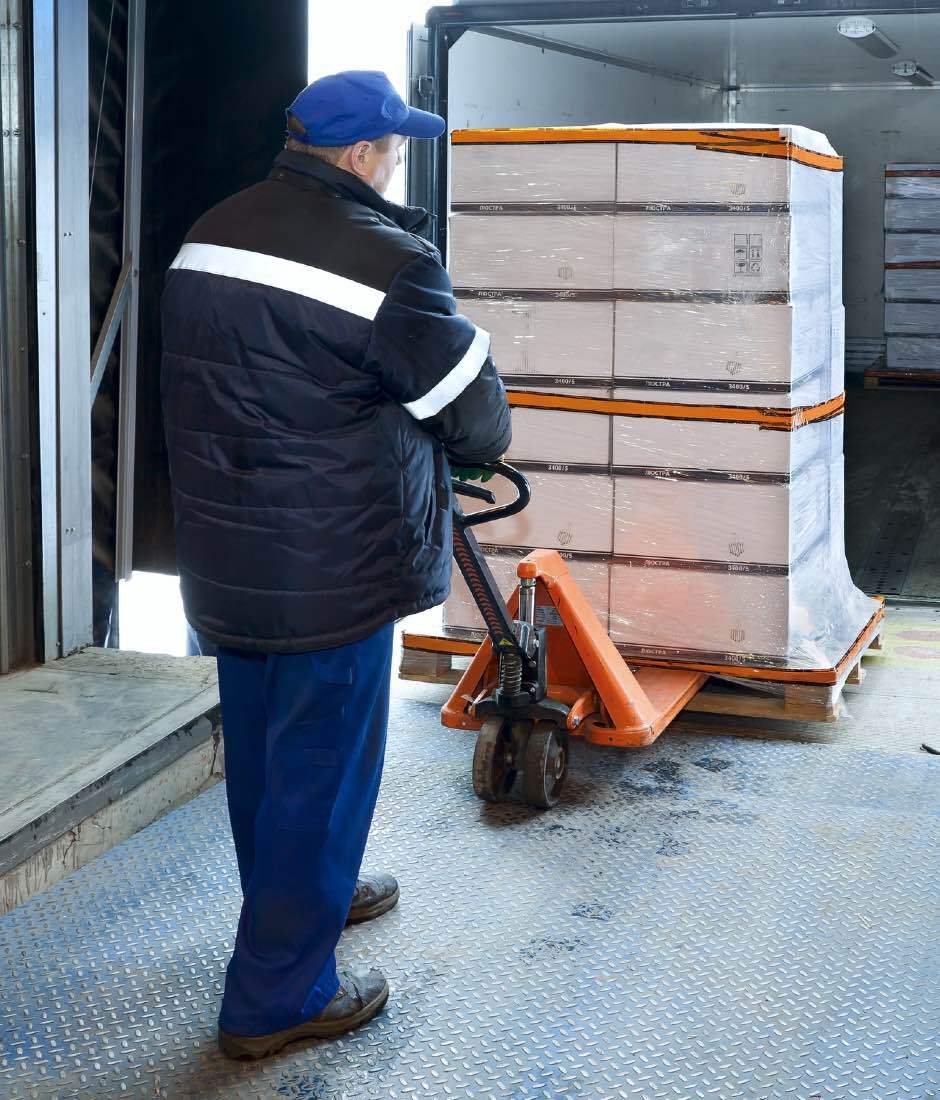
Worker loading a truck
Broker or carrier Truck brokers

Broker, carrier or both

While a carrier you know may give the steadiest service on its own lanes, a broker is often the faster route for loads outside them. Many shippers book regular weekly freight with a few carriers that serve those routes. They use a broker for urgent loads, irregular lanes, surges and freight that needs special equipment.

Other options sound similar but do a different job. A dispatch service works for carriers, finding loads to fill their trucks. A load board is a listing site where loads and trucks are posted, so the shipper still has to find, book and manage the carrier.

For shippers with varied freight, a broker provides a balance of reach and accountability that a single carrier can't match. This makes a broker a practical alternative to managing many carrier relationships, and FullTruckload.com fills that role.

Freight News
Broker regulation

Federal broker transparency rule moves forward

A long-awaited rule on broker records has reached White House review, pointing to more openness about brokered loads.

Expeditor coordinating a shipment

What is happening

According to FreightWaves, FMCSA sent its broker transparency rulemaking to the White House regulatory office for review on August 27.

Source: FreightWaves, August 29, 2026

Why it is happening

Under the earlier proposal, brokers would keep transaction records electronically and provide a copy within 48 hours of a request.

What it means for you

Expect clearer answers about brokered loads. FullTruckload.com already tells shippers who is hauling the load and keeps one contact on it.

Trucks and trailers

The right truck for your freight

Hot shot truck5 / 6

Hot shot truck side view
32–40 ft42,000 lbs
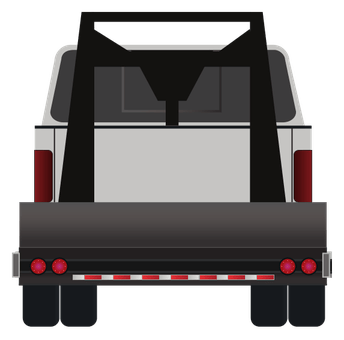
Hot shot truck rear view
102 inWide
120 inHigh
Deck length32–40 ft
Payload42,000 lbs
Deck width102 in
Load height120 in
Best for

Construction, oilfield and farm equipment, machinery

About hot shot trucks

A hot shot pairs a heavy-duty pickup with a gooseneck flatbed trailer. It is the fast choice for equipment and machinery that need an open deck but not a full semi. Ramps at the back let rolling equipment drive straight on.

Price a hot shot truck

Send the pickup, delivery and weight, and we'll match the truck to your load.

Talk to dispatch(800) 373-2480 Get a hot shot quote
Working with us

How FullTruckload.com works as your broker

A broker earns its place by owning the load, finding the right truck and telling you the truth.

Expeditors Steve and Todd

“I had a single point of contact assigned to our shipment that was fantastic on keeping me updated every step of the way.”

Pamela · Trustpilot
HowWe Work

One Person, Start to Finish

When you call FullTruckload.com, you reach a real person right away, and that same person owns your load from the first call to final delivery. You never have to explain the shipment twice or chase a call center for an answer.

That contact books the carrier, follows the truck to delivery and is the person you call for the next load.

  • A direct number for your expeditor
  • Updates at pickup and delivery
  • The same person on your next load
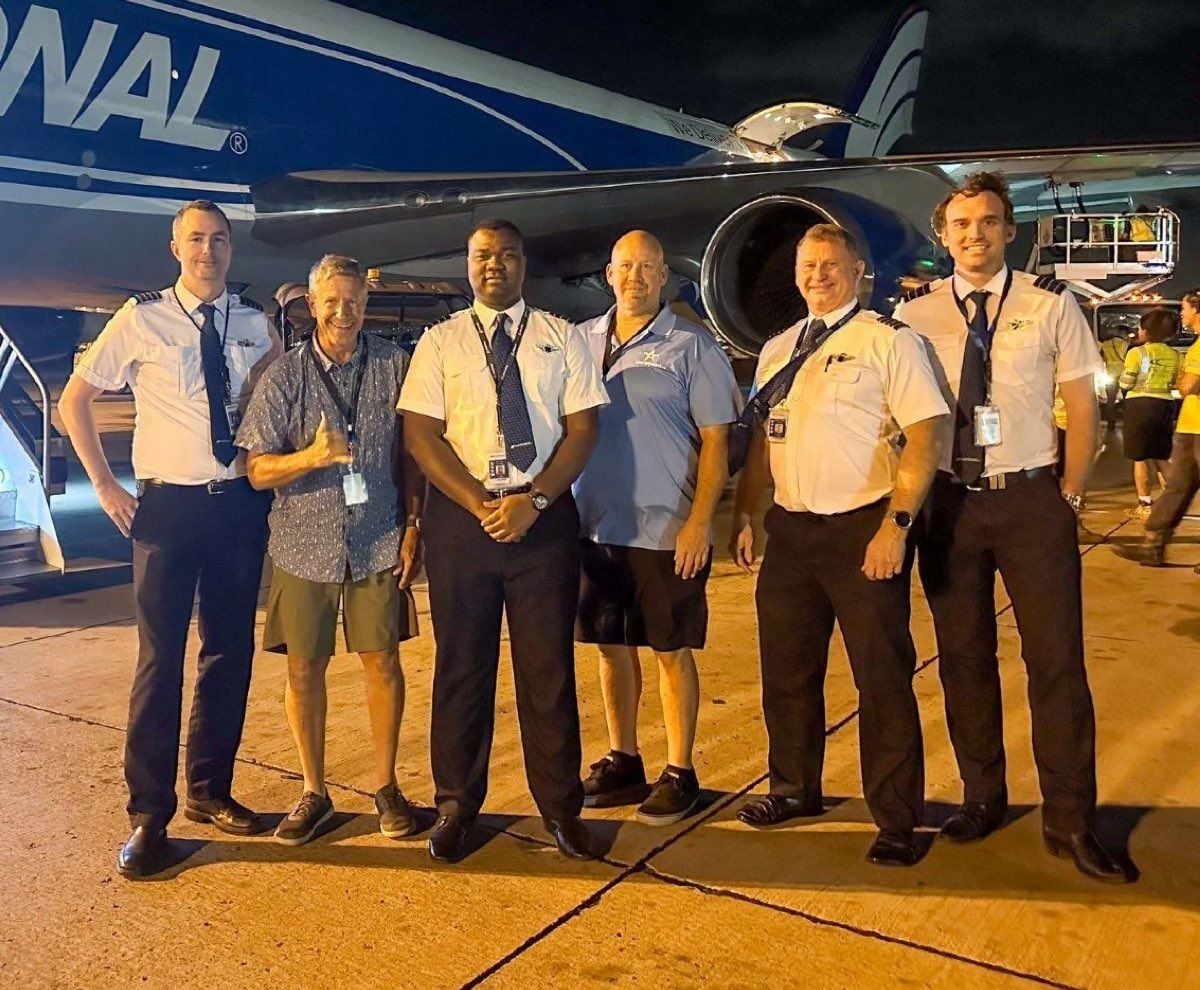
Expeditor Chris at the airport

“I called up at 7:30 pm... one that was secured cancelled at the end of the day. Todd quoted three shipments on the spot... The last shipment was picked up at Midnight.”

Susan · Trustpilot
WhatWe Provide

The Right Truck for the Load

Every load is different, and the right truck is the one that fits the freight. We arrange everything from Sprinter vans and box trucks to large straight trucks, hot shots, 53 ft dry vans and flatbeds through licensed carriers.

We match the load to the truck it needs, so you never pay for capacity you do not use.

  • Each option weighed against your deadline
  • Smaller trucks when a trailer is too much
  • Flatbeds for open-deck freight
The expediting team at the airport

“True to word. They did exactly what they said they would do.”

Dan · Trustpilot
WhoWe Are

Honest With You, Always

Freight is stressful enough without wondering whether your broker is telling you everything. We give you the price before you commit, the timeline as it actually stands, and if something goes wrong, you hear it from us first.

That includes telling you which carrier is hauling your freight when you ask.

  • Clear quotes before you commit
  • Real updates, including the bad news
  • We name the carrier on request

Truck Broker Questions Answered

What is a truck broker?

A truck broker is a company or individual licensed to arrange truck transportation between shippers and motor carriers. The broker does not own trucks, employ the drivers or take possession of the freight. Instead, it finds a carrier with the right equipment for a load, agrees the rate and schedule, and manages communication until the load is delivered. Truck brokers must hold broker operating authority from the Federal Motor Carrier Safety Administration and keep financial security on file. Shippers use them to cover loads quickly, reach many carriers through one contact and get specialized equipment without building their own carrier relationships.

How do truck brokers work?

A truck broker starts when a shipper tenders a load with its details, such as the freight, weight, pickup and delivery locations and dates. The broker quotes the move, and when the shipper accepts, it finds a licensed carrier with a suitable truck and sends a rate confirmation that sets the terms. The carrier picks up the freight and the driver signs the bill of lading. The broker tracks the shipment, passes updates to the shipper and handles problems such as delays or appointment changes. After delivery, the broker collects proof of delivery, bills the shipper and pays the carrier.

How do truck brokers get paid?

Truck brokers are usually paid through the difference between the rate the shipper pays and the rate the broker pays the carrier. That difference, often called the margin, covers the broker's costs and work, including finding the truck, managing the load, tracking it and handling any problems. Both rates are shaped by the same market conditions, such as distance, equipment, timing, fuel and how much truck capacity is available on the lane. Some brokers work on contract rates with regular shippers, while others quote each load. Shippers can always ask a broker how it prices a load before committing.

What is broker authority?

Broker authority is the federal registration that allows a company to arrange truck transportation for compensation across state lines. It is granted by the Federal Motor Carrier Safety Administration and shown by an MC docket number, separate from the authority a carrier needs to haul freight. To get and keep broker authority, a company must file the required forms, keep financial security on file and name process agents. A company acting as a broker without this authority is operating illegally. Shippers can check whether a broker's authority is active by searching its MC or USDOT number on the FMCSA website.

What is a broker surety bond?

A broker surety bond is a form of financial security that federal rules require truck brokers to keep on file, usually as a BMC-84 surety bond or a BMC-85 trust fund. The required amount is $75,000. The bond or trust exists to cover claims if a broker fails to pay carriers or meet its obligations under its contracts. If a broker's financial security falls below the required level, federal regulators can suspend its authority. Shippers and carriers can see on the FMCSA website whether a broker's bond or trust is on file, which is a quick way to confirm the broker is properly registered.

What is a BOC-3 filing?

A BOC-3 is a federal form that designates process agents for a motor carrier or broker in each state where it operates. A process agent is a person or company authorized to receive legal documents, such as court papers, on the business's behalf in that state. Brokers and carriers must have a BOC-3 on file before their operating authority is granted, and many use a blanket service that covers every state. For shippers, the BOC-3 is part of the public registration record that shows a broker has completed the steps federal regulators require to operate legally.

What is a rate confirmation?

A rate confirmation is the document a broker sends to a carrier to confirm the terms of a specific load. It typically lists the pickup and delivery locations and times, the freight and equipment, the agreed rate, any special instructions and the broker's payment terms. The carrier signs or accepts it before the load moves, which makes it the working agreement for that shipment between the broker and the carrier. Shippers do not usually see the rate confirmation, but it is where the broker passes their requirements, such as appointments and handling needs, to the truck that will haul the freight.

How does a truck broker differ from a carrier?

A carrier owns or controls the trucks and drivers that haul freight and holds carrier operating authority. A truck broker owns no trucks and holds broker authority instead; it arranges transportation by booking carriers for shippers. The carrier is responsible for the freight while it is in its care, while the broker is responsible for arranging the move and managing it. Some companies hold both types of authority. Shippers often use carriers directly on regular lanes they serve and use brokers for urgent loads, irregular lanes and freight that needs equipment their regular carriers do not run.

What is a dispatch service?

A dispatch service, often called a truck dispatcher, works on behalf of carriers, usually small fleets and owner-operators, to find loads for their trucks. The dispatcher searches load boards, negotiates with brokers and shippers, and handles paperwork so the driver can stay on the road. Dispatch services are paid by the carrier, often as a share of each load's revenue. Unlike a broker, a dispatcher does not represent the shipper or take responsibility for arranging the shipment. For shippers, this means a dispatch service is not a substitute for a broker or a direct carrier relationship.

What is a load board?

A load board is an online marketplace where brokers and shippers post available loads and carriers post available trucks. Carriers search the board for freight that fits their equipment and lanes, then contact the poster to book it. Load boards also often show market rate data and company information. They help brokers and carriers find each other quickly, but they do not manage the shipment. A shipper posting directly on a load board still has to check responses, choose and book a carrier, and handle tracking and problems, which is the work a broker normally does.

Get a quote

Need a broker you can reach? Book your truck with us

Enter your pickup, delivery and date. We book a licensed carrier with the right truck and keep you updated until delivery.

5.0 from 1,600+ reviews on

Request a Quote

Step 1 of 3Origin and Destination Info

They are great. he kept me up to where the truck was. Which was very helpful and no other truck line has done that. They went out of their way to please me. Great Job. I will use them again.

Kelly · Verified review on Trustpilot
CTA Hero Star Background
TOP