
Skip to content
5.0 rated on Trustpilot

Shippers Trucking

Shipping freight by truck starts with choosing the option that fits the load and the date. FullTruckload.com books a dedicated truck for your freight through a licensed carrier. One contact keeps you informed from your dock to theirs.

Why shippers call

Quick Answers, Driver Updates

“Quick with responses and driver updates.” — Ryan

Same Morning Dispatch

“Called at 9:30am for a hotshot from Dallas to Waller TX.” — Kollin

Picked Up and Delivered Same Day

“Had a truck that morning and delivered that night 500 miles away!” — Michelle

Expeditor at his desk tracking a shipment
In short

Four roles, one shipment

Shipper, carrier, broker and consignee each handle a defined part of every truck move.

Shipping by truck Truck shipments

Who does what in a truck shipment

From a single pallet to a full trailer, every truck shipment involves the same four roles. The shipper prepares the freight and tenders it for pickup. The carrier hauls it, and the consignee receives it, inspects it and signs for it. A freight broker, when one is used, books the carrier and manages the move for the shipper.

The bill of lading ties them together. The driver signs it at pickup to confirm what was loaded, and the consignee signs it at delivery. If freight arrives damaged or short, the consignee notes it on that paperwork. This page covers shipping freight by truck, not any company with a similar name.

FullTruckload.com acts as the broker for shippers across the US, Canada and Mexico, backed by 24/7 tracking and one point of contact. Every shipment is monitored from pickup to delivery.


Roles in a shipment

Shipper, carrier, broker and consignee

Each party in a truck shipment has its own job, and knowing them makes it clear who to call when something changes. Read down a column to see one role's responsibilities.

Shipper Sends the freight Carrier Hauls the load Freight Broker FullTruckload.com arranges it Consignee Receives the freight
Prepares and tenders freight Yes: Packs, labels, schedules pickup No: Picks up as booked Sometimes: Confirms details with shipper No: Waits for delivery
Hauls the load No: Unless it runs a fleet Yes: Truck and driver No: Books a licensed carrier No: Receives only
Books and manages the truck Sometimes: If booking direct Sometimes: Its own dispatch Yes: One point of contact No: Not involved
Signs the bill of lading Yes: At pickup Yes: Driver signs at both ends No: Issues paperwork details Yes: At delivery
Notes damage or shortage Sometimes: Files any claim Sometimes: Records exceptions Sometimes: Helps manage the claim Yes: Notes it on the paperwork

Shipper

Sends the freight
Prepares and tenders freight
Yes: Packs, labels, schedules pickup
Hauls the load
No: Unless it runs a fleet
Books and manages the truck
Sometimes: If booking direct
Signs the bill of lading
Yes: At pickup
Notes damage or shortage
Sometimes: Files any claim

Carrier

Hauls the load
Prepares and tenders freight
No: Picks up as booked
Hauls the load
Yes: Truck and driver
Books and manages the truck
Sometimes: Its own dispatch
Signs the bill of lading
Yes: Driver signs at both ends
Notes damage or shortage
Sometimes: Records exceptions

Freight Broker

FullTruckload.com arranges it
Prepares and tenders freight
Sometimes: Confirms details with shipper
Hauls the load
No: Books a licensed carrier
Books and manages the truck
Yes: One point of contact
Signs the bill of lading
No: Issues paperwork details
Notes damage or shortage
Sometimes: Helps manage the claim

Consignee

Receives the freight
Prepares and tenders freight
No: Waits for delivery
Hauls the load
No: Receives only
Books and manages the truck
No: Not involved
Signs the bill of lading
Yes: At delivery
Notes damage or shortage
Yes: Notes it on the paperwork

Summarised for US domestic truck freight; FullTruckload.com books loads through licensed carriers.

Expeditor Kevin
Direct or broker Booking trucks

Booking direct or through a broker

When you ship the same lanes every week, booking direct with a carrier that serves those lanes provides steady trucks and a familiar driver pool. Many shippers keep a few carriers like this for their regular freight.

A broker fits the rest of the work. We support urgent loads, irregular lanes, seasonal surges and freight that needs a specific truck, such as a flatbed or a straight truck with a liftgate. You get one contact who finds the truck and manages the move, instead of calling around yourself. Any carrier can also be looked up on the FMCSA website by its USDOT and MC numbers.

It's also a good option when your regular carrier turns a load down, so the freight still moves on time. FullTruckload.com books licensed carriers and stays your contact until delivery.

Aerial view of a truck driving on the road
Rule of thumb

Ready freight costs less

A load that is ready and quick to handle keeps the truck, and the cost, on schedule.

Freight cost Truck freight

What drives the cost of truck freight

A truck shipment's cost reflects the truck, the trip and the market, larger for a full trailer but often lower per pallet than a small dedicated van. As with most truck freight, distance, weight and size, the type of truck and how soon you need it all affect the cost. How many trucks are available on your lane that week moves it too.

Some factors are in the shipper's hands. Freight that is ready on time, loads quickly and has accurate details keeps the truck's day on schedule. A flexible pickup date can also help when the market is tight.

The right match between freight and truck matters most. FullTruckload.com matches your load to the truck it actually needs, so you are not paying for a 53 ft trailer when a straight truck will do.

Truck options

Truck options for shippers, ranked by speed

This ranking assumes an urgent domestic load and orders common trucks from the quickest to get moving to the largest. FullTruckload.com books each one; re-sort by dispatch speed, load or cost.

Sort by
  1. Fastest for small freight

    Sprinter van

    A cargo van for boxes and a pallet or two. Vans are widely available, so one can usually start a direct run quickly.

    GoodQuick and economical WatchSmallest capacity
    Quickest
    dispatch speed
    ~3,000 lbs
    max load
    $$$$$
    relative cost
  2. Best for a few pallets

    Box truck

    A small box truck for several pallets or bulky cartons. It is the next step up when a van is too small.

    GoodMore room than a van WatchLimited weight
    Quick
    dispatch speed
    ~5,000 lbs
    max load
    $$$$$
    relative cost
  3. Best for sites without docks

    Straight truck

    A larger single-unit truck, often with a liftgate. It delivers mid-size loads to sites without a full dock.

    GoodLiftgate delivery WatchLess space than a trailer
    Quick
    dispatch speed
    ~9,000 lbs
    max load
    $$$$$
    relative cost
  4. Best for heavy partial loads

    Hot shot

    A pickup pulling a flatbed or gooseneck trailer for one load. It moves equipment and materials that do not fill a flatbed.

    GoodFast for heavy freight WatchLower limit than a semi
    Moderate
    dispatch speed
    ~16,000 lbs
    max load
    $$$$$
    relative cost
  5. Best for full enclosed loads

    53 ft dry van

    The standard enclosed trailer for full loads of boxed or palletized freight. It needs a dock or forklift.

    GoodHigh capacity, enclosed WatchNeeds a dock
    Planned
    dispatch speed
    ~42,000 lbs
    max load
    $$$$$
    relative cost
  6. Best for open-deck freight

    Full flatbed

    An open trailer for machinery, steel and building materials loaded from the side or top. It carries the heaviest loads.

    GoodHighest payload WatchSecuring and covering needed
    Planned
    dispatch speed
    ~48,000 lbs
    max load
    $$$$$
    relative cost
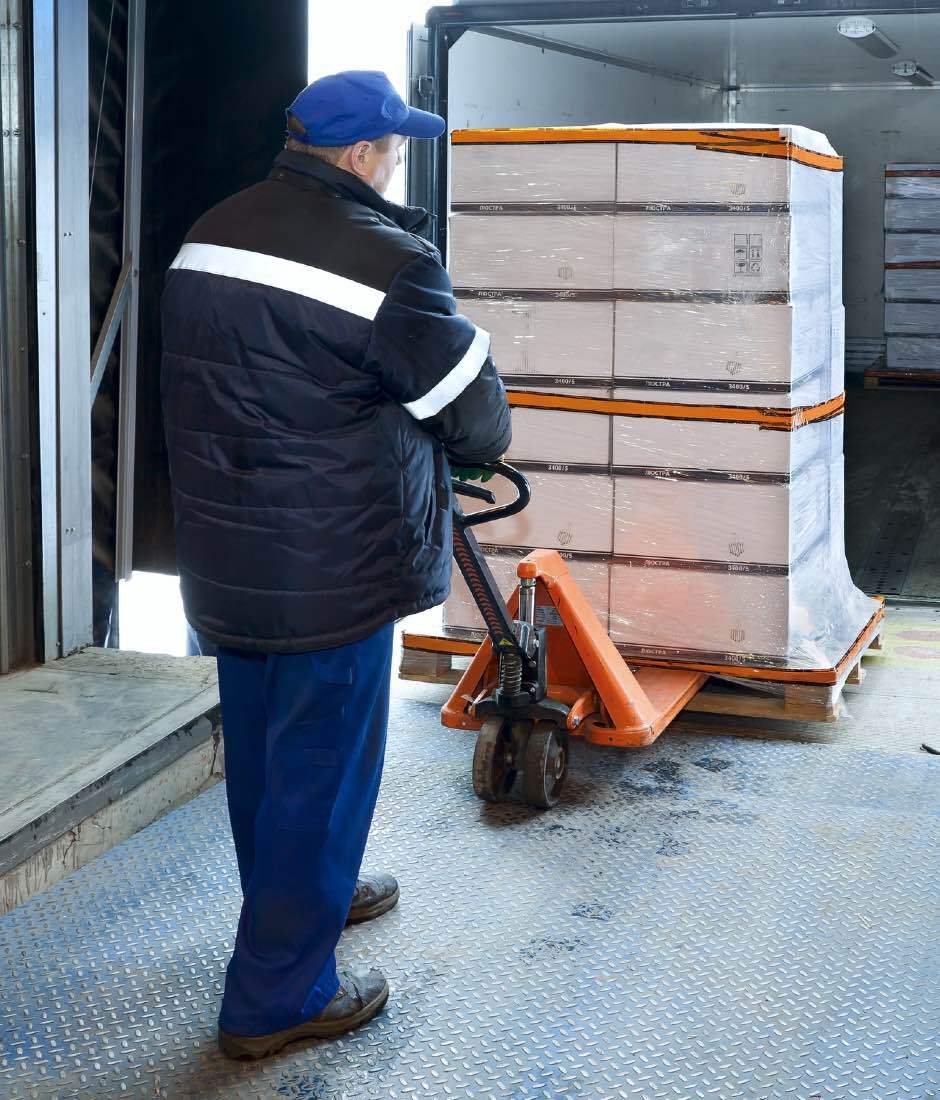
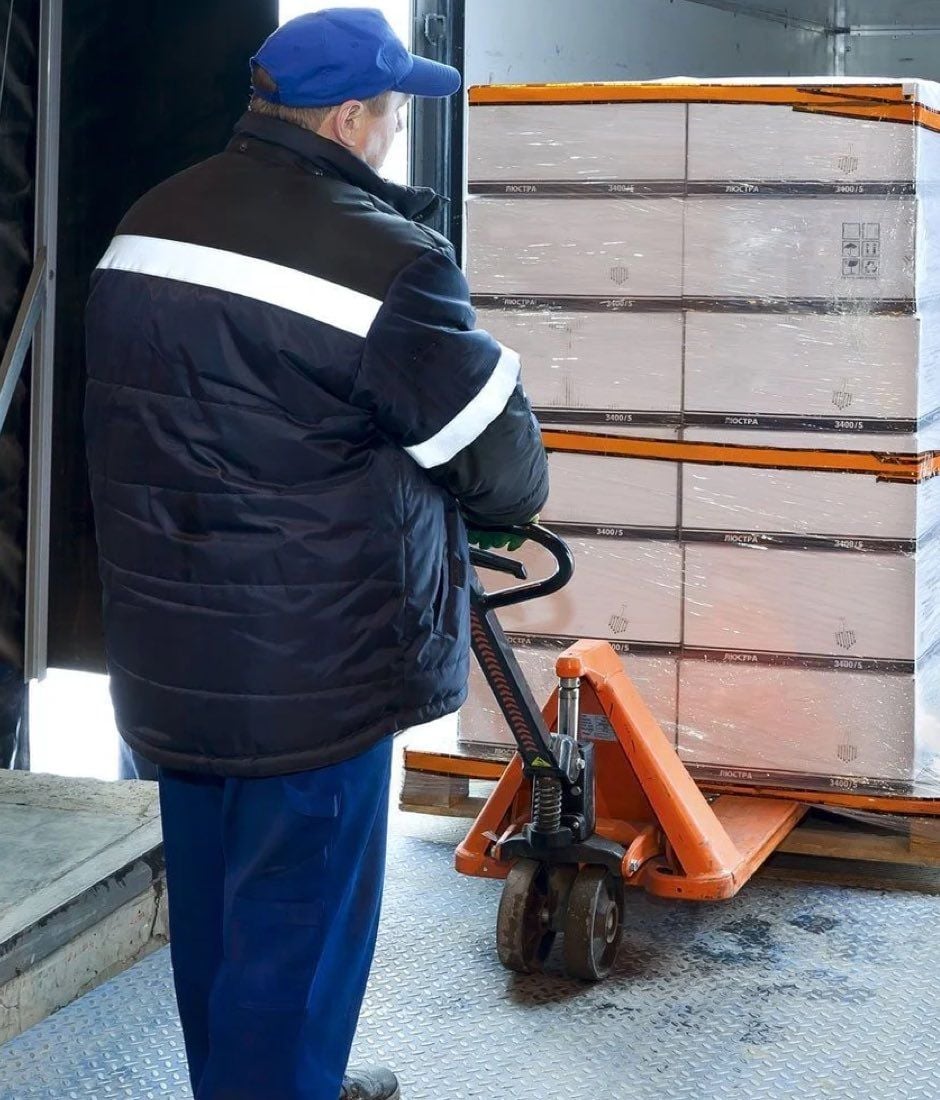
Worker loading a truck
Dock readiness Ready to load

Being a shipper drivers want to haul for

While every carrier wants freight, drivers have only so many legal hours in a day, so they favour shippers who load them quickly. Have the freight packed, palletized and labeled before the truck arrives. Share accurate dock hours, appointment rules and the name of a contact on site.

Give clear directions to the right gate and door, especially at large plants and job sites. Make sure the bill of lading matches what is actually on the dock, with the right piece count and weight. Long waits at the dock cost drivers usable hours, and carriers remember the shippers who keep them waiting.

This makes a ready dock a practical alternative to paying more for trucks when the market is tight. FullTruckload.com passes these details to the carrier before pickup, so the truck arrives prepared.

Dock time by the numbers

Dock time by the numbers

39.3%

of truck stops involved driver detention in 20231

What it means for you

Waiting at docks is common, and every hour a truck waits is an hour its driver cannot drive. A ready load and a clear appointment keep your freight on schedule, and FullTruckload.com shares those details with the carrier before the truck arrives.

$11.5 billion

in trucking productivity lost to driver detention in 20232

Time lost at docks adds up across the industry, which is why carriers value shippers who load quickly.

11 hours

maximum driving time per shift for a solo truck driver3

Drivers have a fixed number of driving hours, so time spent waiting can push a delivery to the next day.

73%

of US freight value moved by truck in 20244

Most freight value moves by truck, so how smoothly loading goes affects a large share of your shipments.

5.0 from 1,600+ reviews on

Freight ready to go? Get a truck quote.

Send the pickup, delivery and freight details. Your contact matches the right truck, books a licensed carrier and keeps you updated from your dock to the delivery.

  • John Mark was a pleasure to work with and kept me updated on the driver's progress as it was an urgent and timely delivery we needed 11 hours away.

    Kenneth
  • Fantastic! I called and spoke to an extremely helpful gentlemen by the name of Kevin at 7:00 p.m. I couldn't ask for a better experience. Quick, Courteous, and had a driver sitting in PA at 9:30 the next morning.

    Devin

Request a Quote

Step 1 of 3Origin and Destination Info

Expeditors Steve and Todd
Booking Truck shipments

How booking a truck shipment works

Truck brokers and carriers usually ask for the same details when you book, including the freight, the places and the dates. This means a shipper with those details ready gets a quote and a confirmed truck whenever a load comes up.

Describe the commodity, the weight, the pallet count and dimensions, and whether it stacks. Give both addresses with dock hours, the ready date and the delivery date, and note the loading method. Once the quote is approved, the truck and pickup time are confirmed. At pickup the driver signs the bill of lading, the load is tracked on the road, and the consignee signs for it on arrival.

Our dispatch team is available around the clock, including weekends and holidays, so you can book at any hour. FullTruckload.com confirms every detail to make sure your freight arrives as planned.

Your shipment, step by step

From your dock to their dock

Every shipment FullTruckload.com books follows six steps, and the first one starts on your dock before anyone calls a truck.

  1. 01

    Prepare the freight

    Pack, palletize and label the freight, and confirm the weight and dimensions. Ready freight is the single biggest help to a quick, accurate quote and a smooth pickup on the day.

    • Pallets and labels
  2. 02

    Request the quote

    Share the commodity, weight, pallet count, addresses, dock hours and dates. Your contact recommends the right truck for the load and sends back a quote for your approval.

    • Freight details
  3. 03

    Confirm truck and times

    Approve the quote and confirm the truck type and pickup window. A licensed carrier is booked for your load only, and the delivery appointment is set with the consignee.

    • Appointment
  4. 04

    Load and sign the BOL

    The driver checks the freight, it is loaded and secured, and both sides sign the bill of lading. Any damage or shortage is written on the paperwork before the truck leaves.

    • Bill of lading
  5. 05

    Track the load

    The truck runs direct to the consignee. Your contact sends updates along the way and tells you right away if weather or traffic changes the arrival time.

    • Tracking updates
  6. 06

    Deliver and sign

    The consignee inspects the freight and signs for it, noting any exceptions. You receive signed proof of delivery, which closes the shipment and supports any claim.

    • Proof of delivery
Expeditor Andy
The upshot

One truck, no transfers

Special freight travels on a truck reserved for it, straight from your dock to delivery.

Special freight Urgent and oversized loads

Urgent, high-value and oversized freight

FullTruckload.com specializes in freight that cannot wait or cannot be handled twice, moved from your dock to final delivery with no transfers. A time-critical part or a high-value load goes on an exclusive-use truck that carries nothing else and drives direct. Oversized machinery and materials ride on a flatbed or hot shot, with permits arranged where the size requires them.

When the deadline is too tight for any truck, the freight can move by air instead, with trucks at both ends. Each option starts with the same details: what it is, how big, how heavy and when it has to arrive.

This direct approach removes the extra handling where damage and delays happen, which cuts the risk to your most important freight. Your shipment stays with one truck and one contact from pickup to signature.

Freight News
Freight market

Freight shipments recover as truckload costs climb

Freight volumes are growing again after a long slump, while the cost of moving a truckload keeps rising.

Freight being loaded into a vehicle
At a glance · October 2026
10.1%
truckload linehaul rate rise year over year
1.9%
rise in freight shipments

What is happening

According to FreightWaves, Cass data shows truckload linehaul rates rose 10.1% year over year in September, the highest reading in four years.

Source: FreightWaves, October 13, 2026

Why it is happening

Freight shipments rose 1.9% from a year earlier, positive for a second month after 42 months of declines, while freight spending rose 20.4%.

What it means for you

Trucks are in more demand and cost more. FullTruckload.com books the right-sized truck for each load so you pay only for what it needs.

Trucks and trailers

The right truck for your freight

Hot shot truck5 / 6

Hot shot truck side view
32–40 ft42,000 lbs
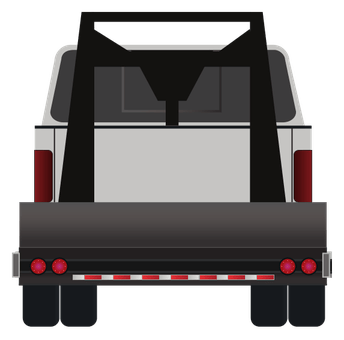
Hot shot truck rear view
102 inWide
120 inHigh
Deck length32–40 ft
Payload42,000 lbs
Deck width102 in
Load height120 in
Best for

Construction, oilfield and farm equipment, machinery

About hot shot trucks

A hot shot pairs a heavy-duty pickup with a gooseneck flatbed trailer. It is the fast choice for equipment and machinery that need an open deck but not a full semi. Ramps at the back let rolling equipment drive straight on.

Price a hot shot truck

Send the pickup, delivery and weight, and we'll match the truck to your load.

Talk to dispatch(800) 373-2480 Get a hot shot quote
Working with us

How FullTruckload.com works with shippers

Shipping by truck goes well when one person owns the load, the truck fits the freight and the updates are honest.

Expeditor Steve

“I had a single point of contact assigned to our shipment that was fantastic on keeping me updated every step of the way.”

Pamela · Trustpilot
HowWe Work

One Person, Start to Finish

When you call FullTruckload.com, you reach a real person right away, and that same person owns your shipment from the first call to final delivery. You never have to explain the load twice or chase a call center for an answer.

That contact books the truck, shares your dock details with the carrier and follows the load to the consignee's signature.

  • A direct number for your expeditor
  • Updates at pickup and delivery
  • The same person on your next load
Expeditor Chris at the airport

“I called up at 7:30 pm... one that was secured cancelled at the end of the day. Todd quoted three shipments on the spot... The last shipment was picked up at Midnight.”

Susan · Trustpilot
WhatWe Provide

The Right Truck for the Freight

Every shipment is different, and the right truck is the one that fits it. We arrange everything from Sprinter vans and box trucks to large straight trucks, hot shots, 53 ft dry vans and flatbeds, and air freight when the road is too slow.

We match the load to the truck it needs, so you never pay for space you do not use.

  • Each option weighed against your deadline
  • Flatbeds and hot shots for oversized pieces
  • Air freight when trucks are too slow
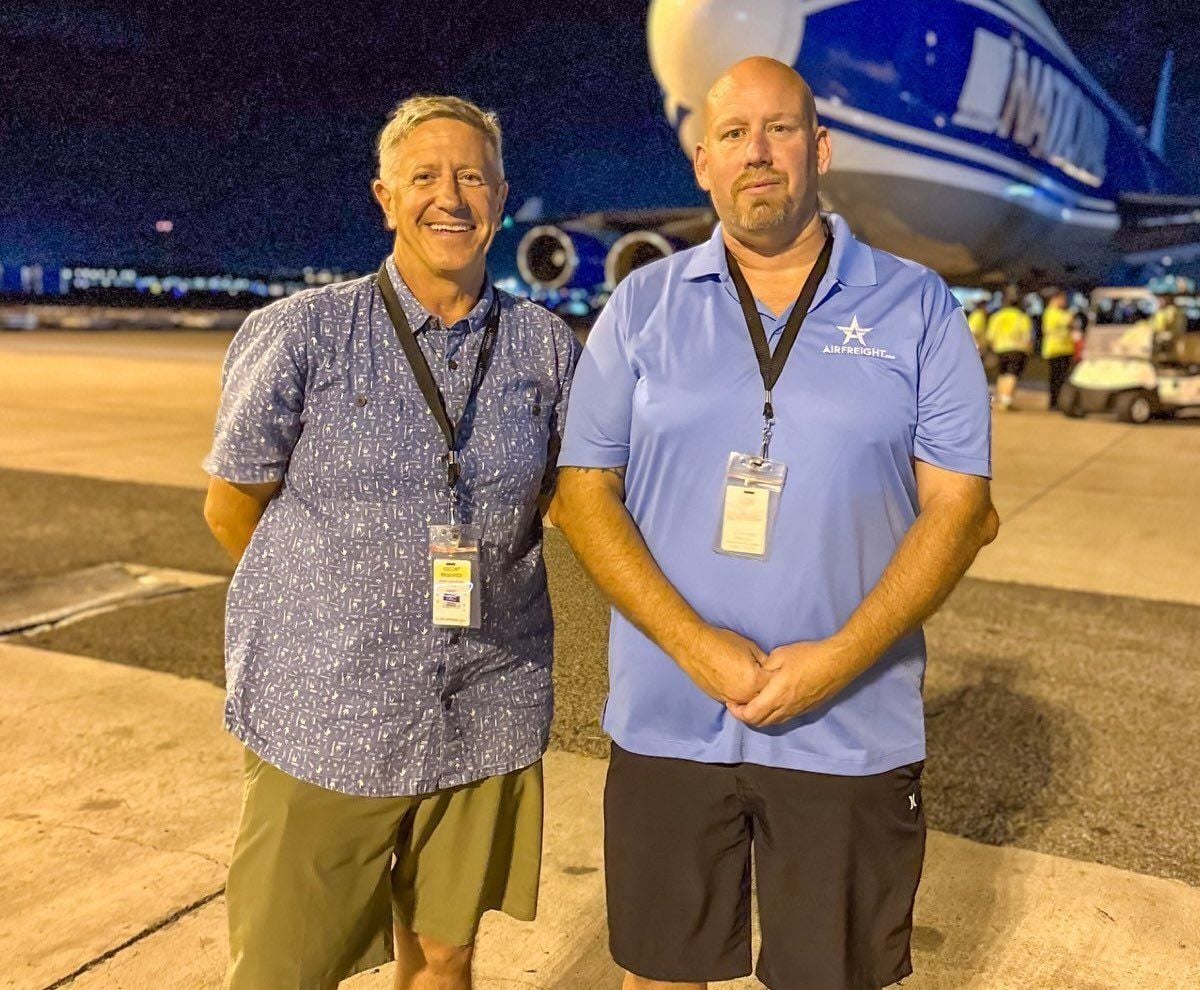
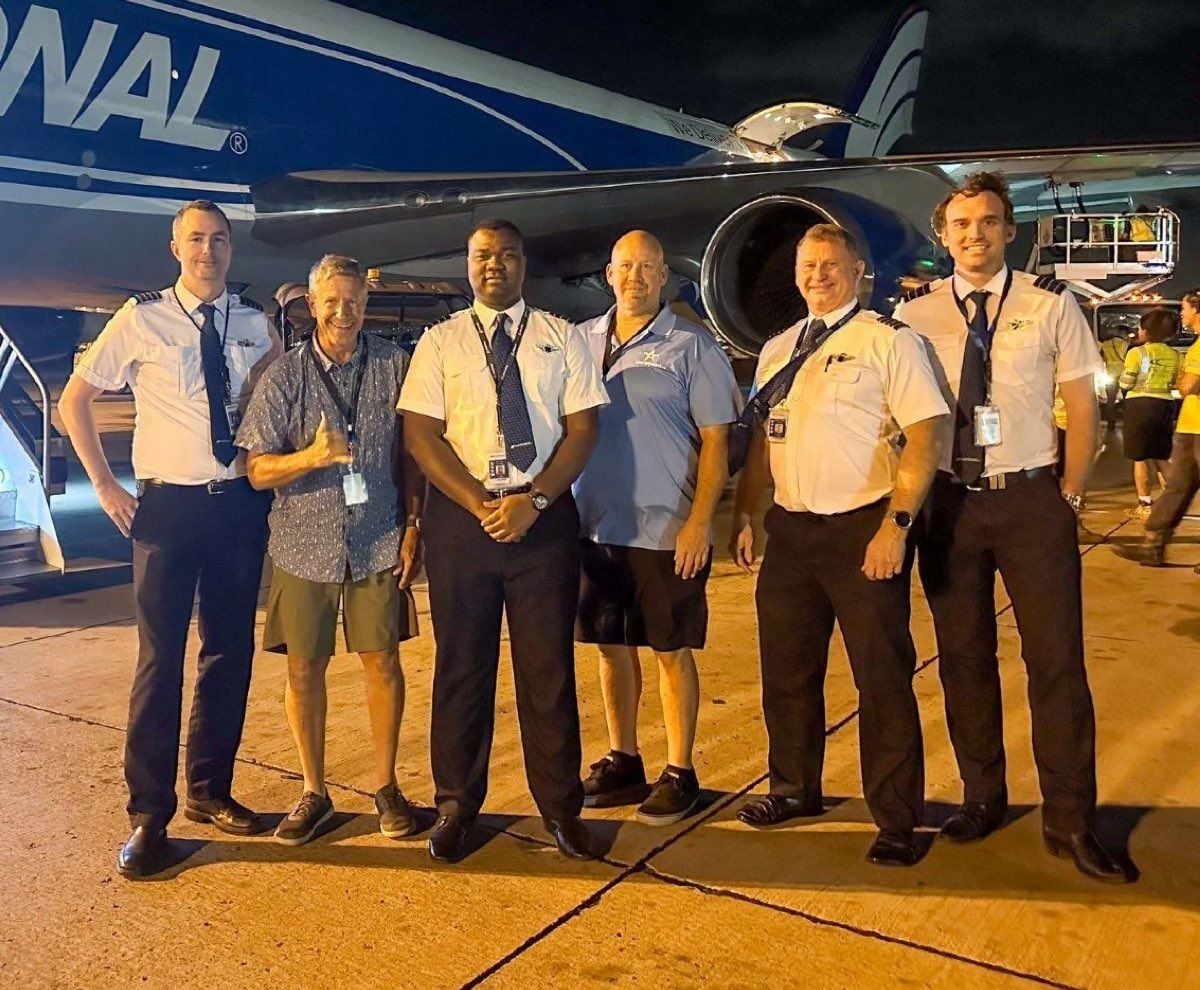
The expediting team at the airport

“True to word. They did exactly what they said they would do.”

Dan · Trustpilot
WhoWe Are

Honest With You, Always

Shipping is stressful enough without wondering whether you have the full story. We give you the price before you commit, the timeline as it actually stands, and if something goes wrong, you hear it from us first.

That includes telling you when a smaller truck or a later pickup will still make your date.

  • Clear quotes before you commit
  • Real updates, including the bad news
  • We say when a smaller truck works

Shipping by Truck: Questions Answered

What is a shipper in trucking?

In trucking, the shipper is the business or person that sends freight. The shipper prepares the goods for transport, which usually means packing, palletizing and labeling them, and makes them available for pickup at an agreed time and place. The shipper also provides the details a carrier needs, such as the commodity, weight, piece count and delivery address, and typically issues or signs the bill of lading at pickup. Depending on the sale terms, the shipper may pay for transportation or the receiver may. A shipper can be a manufacturer, distributor, retailer, contractor or any company moving goods.

What is a consignee?

The consignee is the party that receives a shipment at its destination. It is named on the bill of lading and is usually the buyer of the goods, a distribution center, a store or a job site. When the truck arrives, the consignee checks the freight against the paperwork, notes any damage or shortage, and signs the bill of lading or delivery receipt to confirm delivery. Those notes matter if a claim is filed later. The consignee may also set delivery appointments, dock hours and unloading rules that the carrier must follow when the load arrives.

How does a shipper differ from a carrier?

The shipper is the party that sends the freight, and the carrier is the company that physically moves it. The shipper decides what is shipped, prepares it and arranges or pays for transportation. The carrier provides the truck and driver, holds operating authority to haul freight for hire and is responsible for the goods while they are in its care, subject to its terms and federal rules. Some companies are both: a manufacturer with its own private fleet is a shipper that also acts as its own carrier. Most shippers, though, hire outside carriers directly or through a broker.

What does a freight broker do?

A freight broker arranges truck transportation for shippers without hauling the freight itself. When a shipper has a load, the broker finds and books a licensed carrier with the right equipment, agrees the price and schedule, and manages communication until the load is delivered. Brokers must hold their own operating authority and financial security from federal regulators. They are useful when a shipper needs a truck quickly, ships on irregular lanes, needs special equipment or wants one contact instead of calling several carriers. The broker earns the difference between what the shipper pays and what the carrier is paid.

What is a bill of lading?

A bill of lading, or BOL, is the main shipping document for a truck shipment. It names the shipper, the consignee and the carrier, describes the freight, and lists the piece count, weight and any special instructions. The driver signs it at pickup to confirm what was loaded, and the consignee signs it at delivery. The BOL works as a receipt for the goods, a record of the terms of transportation and evidence if a claim is needed. Accurate details on the BOL, especially the piece count and weight, prevent disputes and delays at both ends of the trip.

What is dwell time at a dock?

Dwell time is the amount of time a truck spends at a shipper's or receiver's facility, from arrival to departure. It includes waiting for a door, loading or unloading, and finishing paperwork. Short dwell times keep drivers on schedule, while long ones use up their limited legal driving hours and can push deliveries late. Industry research shows long waits at docks are common and costly to carriers, which is why many carriers prefer facilities that load quickly. Shippers can reduce dwell time by having freight ready, keeping appointments, staffing docks and making sure the paperwork is complete before the truck arrives.

What is a shipper of record?

The shipper of record is the party officially listed as the shipper on the transportation documents, usually the bill of lading. It is the party responsible for describing the freight accurately and is generally treated as the sender for legal and liability purposes. The shipper of record is often the company that owns the goods, but it can also be a supplier or a party acting on the owner's behalf, depending on how the sale and shipment are arranged. Knowing who is the shipper of record matters when questions arise about the freight description, payment terms or a claim for loss or damage.

What does truck freight mean?

Truck freight is any commercial cargo moved by truck rather than by rail, ship or aircraft. It ranges from a few pallets in a box truck to a full 53 ft trailer or a flatbed load of steel or machinery. Truck freight is usually palletized, crated or too large for parcel networks, and it is documented with a bill of lading. Trucks move most freight in the United States because they can reach almost any address directly. Shippers choose the type of truck based on the freight's size, weight, loading method and how quickly it has to arrive.

What is a dock appointment?

A dock appointment is a scheduled time for a truck to arrive at a shipping or receiving facility to load or unload. Facilities use appointments to plan dock doors, labor and equipment, especially at busy warehouses and distribution centers. The carrier or broker usually books the appointment with the facility, and the driver is expected to arrive within the scheduled window. Trucks that arrive late may be rescheduled, and trucks that arrive early may have to wait. Sharing appointment requirements before booking lets the pickup time, transit and delivery appointment be planned together so the load arrives when the dock is ready.

What does shipper load and count mean?

Shipper load and count, often written as SLC or SL&C on a bill of lading, means the shipper loaded the trailer and counted the freight without the driver verifying the pieces. It is common when trailers are dropped for loading, sealed before the driver arrives or packed in a way the driver cannot inspect. The notation signals that the shipper, not the carrier, is responsible for the accuracy of the count and the way the freight was loaded. If a shortage is found at delivery with the seal intact, the notation can affect how a claim is handled, so shippers should load and count carefully.

Get a quote

Have freight to ship? Book the right truck for it

Enter your pickup, delivery and date. We match the right truck, book a licensed carrier and keep you updated until delivery.

5.0 from 1,600+ reviews on

Request a Quote

Step 1 of 3Origin and Destination Info

They were very fast. Picked up the item in about 3 hours of first contact and drove it straight to the destination with regular updates.

Eric · Verified review on Trustpilot
CTA Hero Star Background
TOP