
Skip to content

Regional Trucking

Regional freight moves within a day's drive, from distribution centers to stores, plants to plants and suppliers to job sites. FullTruckload.com books a dedicated truck that runs direct for each regional load. One point of contact tracks it 24/7.

Large straight truck
Expeditor at his desk tracking a shipment
In short

Within a day's drive

Regional trucking moves freight within one region, usually within about a day's drive.

Regional trucking What it is

What regional trucking is

Regional trucking moves freight within one region of the country, usually within about a day's drive, rather than across town or coast to coast. The exact range varies, because carriers define their regions differently, and short haul trucking sits at the shorter end of the same idea. If you are a driver looking for regional jobs, this page is written for shippers.

For a shipper, regional trucking is about reach and timing. A truck loaded in the morning can often reach a receiver in a neighboring state the same day or by the next morning, without the planning that long cross-country runs need.

FullTruckload.com books dedicated regional trucks through licensed carriers across the US, Canada and Mexico. One point of contact manages each load and tracks it 24/7.
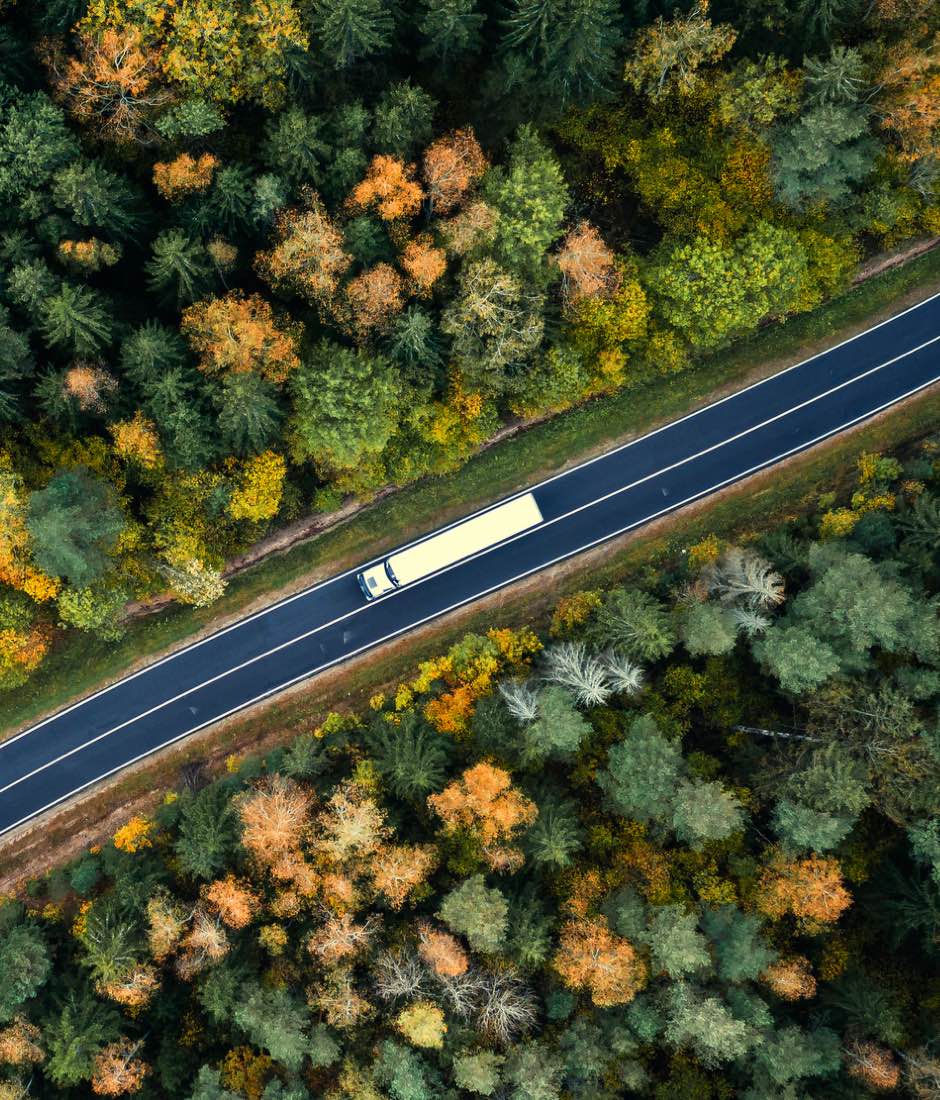
Aerial view of a truck driving on the road
Compared Regional trucking

Regional, local or long haul

Trucking is often divided by distance. Local trucking stays within one metro area, with several pickups or deliveries in a day and the truck back at its base each night. Regional trucking crosses a region, linking cities and states within a day or two of driving. Long haul crosses the country, with drivers away for many days at a time.

Each suits a different kind of freight. Local runs handle city deliveries and short transfers. Regional runs handle most distribution between warehouses, plants and stores. Long haul handles freight moving between distant parts of the country.

The main trade-off is planning. Regional runs fit within driver hours more easily, which makes timing simpler. FullTruckload.com books trucks for all three and plans each run around its distance.

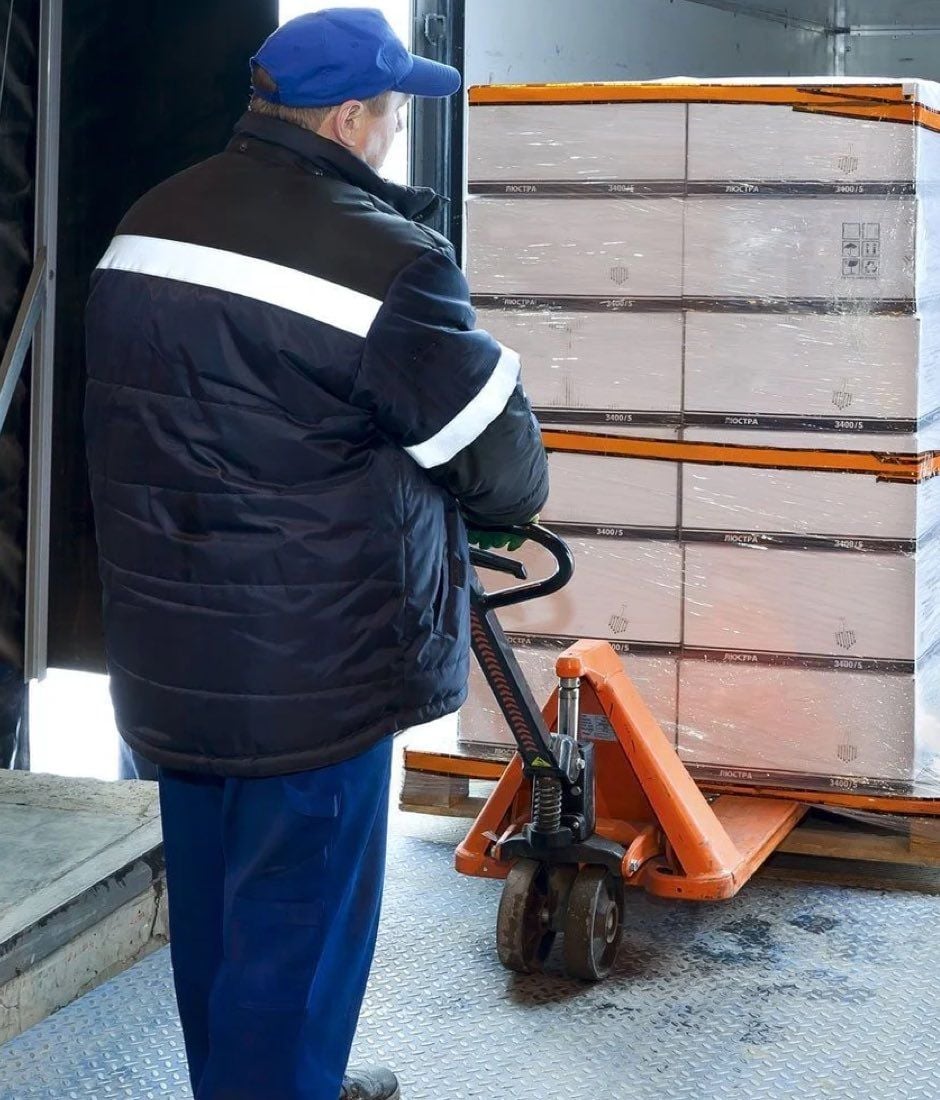
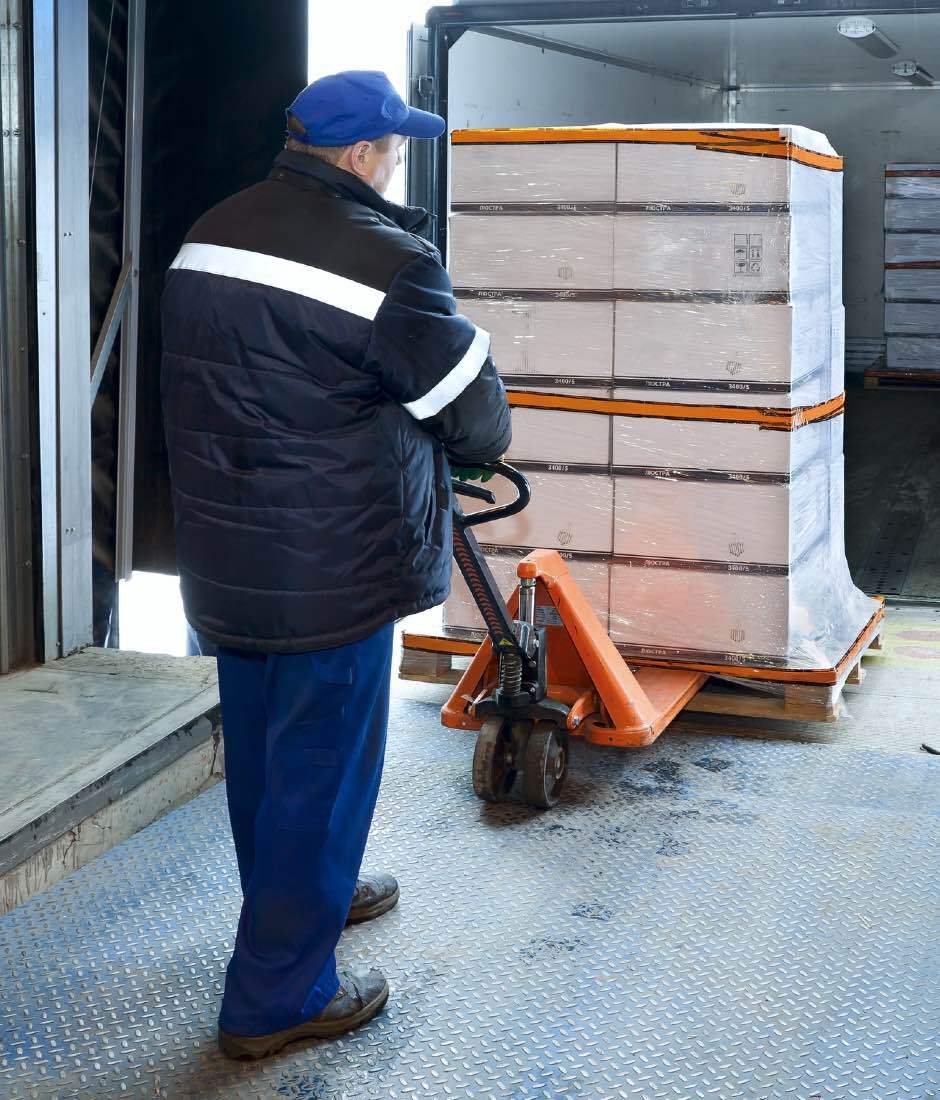
Worker loading a truck
Why it matters

Most freight stays regional

Regional trucking carries much of the freight that moves between warehouses, plants and stores.

Uses Regional trucking

Why shippers use regional trucking

Most freight in the country moves within a region, and regional trucking is how it gets there. Distribution centers send full and partial loads to the stores they supply. Plants ship parts and materials to other plants and to customers nearby. Suppliers deliver to manufacturers on schedules built around production, and building materials move to job sites across a region.

Regional reach is also what makes fast delivery possible. A truck loaded in the morning can often deliver the same day within a few hundred miles, or by the next morning further out, which keeps inventory moving without needing air freight.

FullTruckload.com books dedicated regional trucks for each of these jobs, with the truck matched to the load and the delivery planned around the receiver's schedule.

Regional trucks

6 trucks for regional freight ranked by capacity

This ranking orders common dedicated trucks for regional freight from the most capacity to the least, using published figures. FullTruckload.com books each one; re-sort by load or cost.

Sort by
  1. Best for heavy open-deck loads

    Full flatbed

    An open trailer for steel, machinery and building materials. It suits regional runs to plants and job sites.

    GoodHighest payload WatchFreight must be secured
    ~48,000 lbs
    max load
    Materials to job sites
    best regional use
    $$$$$
    relative cost
  2. Best for full enclosed loads

    53 ft dry van

    The standard enclosed trailer for full loads of boxed or palletized freight. It suits distribution runs to stores and warehouses.

    GoodHigh capacity WatchNeeds a dock
    ~42,000 lbs
    max load
    Store distribution
    best regional use
    $$$$$
    relative cost
  3. Best for heavy partials

    Hot shot

    A heavy-duty pickup with a flatbed trailer sent for one load. It moves heavy partial loads quickly across a region.

    GoodFast for heavy freight WatchLower limit than a semi
    ~16,000 lbs
    max load
    Urgent heavy parts
    best regional use
    $$$$$
    relative cost
  4. Best for sites without docks

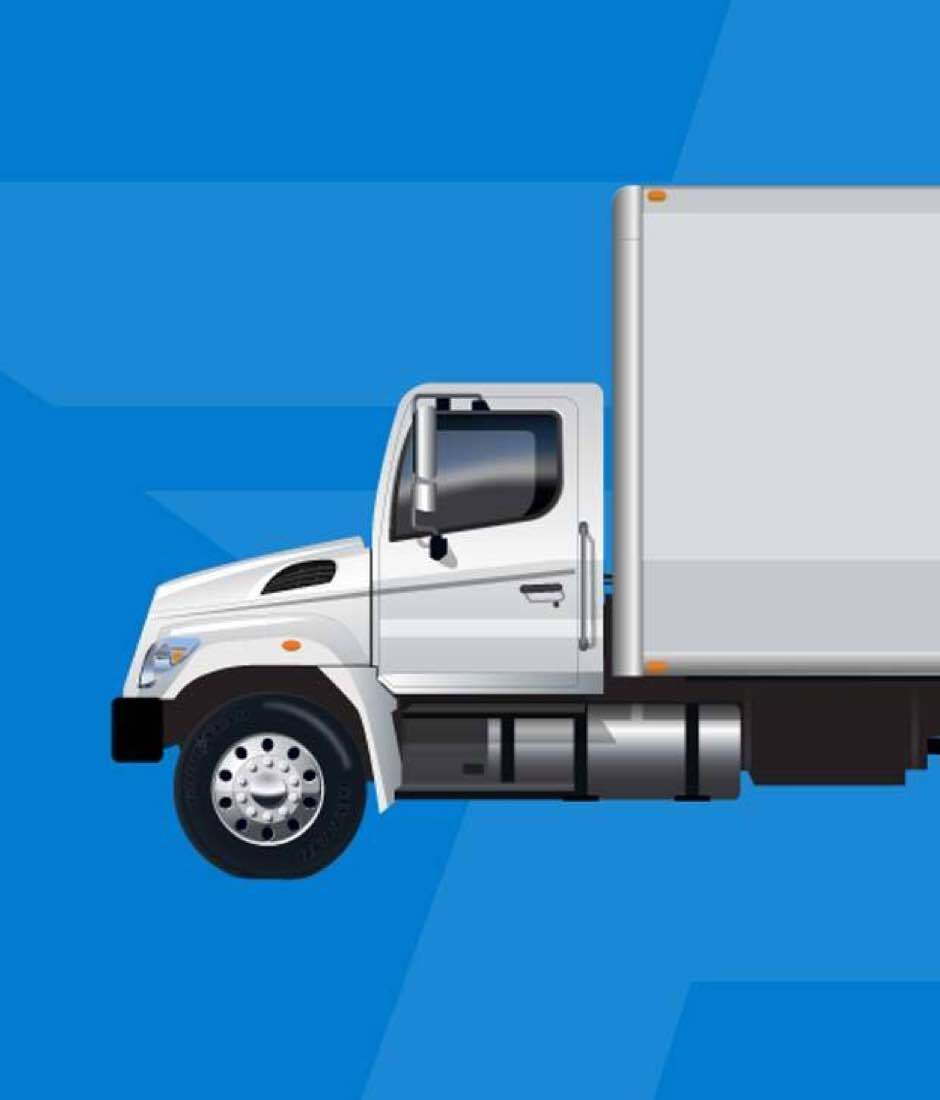
    Large straight truck

    A single-unit truck with an enclosed box, often with a liftgate. It suits regional deliveries to sites without docks.

    GoodLiftgate delivery WatchLess room than a trailer
    ~9,000 lbs
    max load
    Liftgate deliveries
    best regional use
    $$$$$
    relative cost
  5. Best for a few pallets

    Box truck

    A smaller box truck for a few pallets or bulky cartons. It suits smaller regional deliveries and city stops.

    GoodCity-friendly WatchLimited weight
    ~5,000 lbs
    max load
    Small regional loads
    best regional use
    $$$$$
    relative cost
  6. Best for urgent small loads

    Sprinter van

    A cargo van for boxes and a pallet or two. It is the quickest dedicated truck for urgent regional runs.

    GoodFast and economical WatchSmallest capacity
    ~3,000 lbs
    max load
    Urgent small loads
    best regional use
    $$$$$
    relative cost
5.0 from 1,600+ reviews on

Freight moving within your region? Get a truckload quote.

Share the freight, both addresses, any appointment and your dates. Your contact books the dedicated truck that fits.

  • John Mark was a pleasure to work with and kept me updated on the driver's progress as it was an urgent and timely delivery we needed 11 hours away.

    Kenneth
  • Fantastic! I called and spoke to an extremely helpful gentlemen by the name of Kevin at 7:00 p.m. I couldn't ask for a better experience. Quick, Courteous, and had a driver sitting in PA at 9:30 the next morning.

    Devin

Request a Quote

Step 1 of 3Origin and Destination Info

Straight truck (box truck)
Recurring lanes Regional trucking

Dedicated regional runs and recurring lanes

Much regional freight moves on the same lanes week after week, such as a distribution center supplying the same stores or a supplier shipping to the same plants. Setting those up as recurring regional lanes means the pickups run on a schedule, with the same instructions, dock details and contacts each time.

Each load still moves on a dedicated truck that carries only your freight and drives straight to the receiver. Planned lanes make it easier to secure trucks ahead of busy periods and keep delivery times consistent for receivers. Urgent loads can be added on top of the schedule when something unexpected comes up.

FullTruckload.com books recurring regional lanes and one-off regional loads alike. Your point of contact keeps the schedule and adjusts it as your needs change.

A regional load

A regional load, step by step

Every regional load FullTruckload.com books follows six steps, from the first details to signed proof of delivery.

  1. 01

    Share load and appointment

    Send the freight, its weight and dimensions, both addresses, dock or liftgate needs, any delivery appointment and the dates.

    • Appointment
    • Dates
  2. 02

    Match the truck

    Your contact matches a truck, from a Sprinter van to a 53 ft dry van or flatbed, and confirms the quote and pickup time.

    • Truck size
  3. 03

    Book the carrier

    A licensed carrier is booked for your load, and you receive the carrier, truck and driver details along with the pickup time.

    • Carrier details
  4. 04

    Pick up with the BOL

    The freight is loaded and the driver signs the bill of lading with the piece count and weight before leaving the dock.

    • Bill of lading
  5. 05

    Run direct

    The truck drives straight to the receiver, timed for the appointment. Your contact tracks it and warns you early of any delay.

    • Updates
  6. 06

    Deliver with proof

    The receiver signs for the freight and notes any exceptions. You receive proof of delivery, which closes the load.

    • Proof of delivery
Expeditor Kevin
The rule

Hours and appointments set the plan

Driver hours and the receiver's appointment decide when a regional truck leaves.

Planning Regional trucking

Planning a regional load

Regional runs are simpler to plan than cross-country ones, but a few things still set the schedule. Federal rules cap how long a driver can drive in a shift, so the distance one driver can cover in a day has a limit. Runs near that limit may need an early start.

Delivery appointments and dock hours matter just as much. A truck that arrives after the receiving dock closes waits until the next day, so pickups are timed backward from the appointment. Loading time at the shipper, weather and traffic around major cities also affect the run.

FullTruckload.com plans each regional load around driver hours, the appointment and the route, so the delivery time you are given is realistic.

Regional by the numbers

Regional freight by the numbers

56.4%

of US freight tonnage travels less than 50 miles1

What it means for you

Most freight tonnage travels short distances, which is the territory of local and regional trucking. FullTruckload.com books dedicated trucks for regional loads and keeps one point of contact on each.

11 hours

maximum driving time per shift for a solo truck driver2

Federal rules cap a solo driver's driving per shift, which sets the reach of a regional run.

54.8 million tons

of freight worth $68.4 billion moved across the US every day3

A huge volume of freight moves every day, much of it on regional lanes.

73%

of US freight value moved by truck in 20244

Trucks carry most of the value of U.S. freight, including most regional distribution.

Expeditor Andy
The upshot

Details book the right truck

Complete freight and appointment details let the right regional truck be booked.

Booking Regional trucking

Booking regional trucking

A regional load goes smoothly when the details are complete. Have ready what the freight is, the number of pieces or pallets, the weight and dimensions, whether it stacks, both addresses, whether each site has a dock or needs a liftgate, any delivery appointment and the ready and delivery dates. For recurring lanes, add how often the freight ships.

The truck then matches the load, from a Sprinter van carrying up to 3,000 lbs for urgent regional runs to a 53 ft dry van carrying up to 42,000 lbs or a flatbed carrying up to 48,000 lbs for full loads.

FullTruckload.com books a licensed carrier for each regional load and shares the details with you. One point of contact tracks the truck 24/7 until delivery.

Freight News
Trucking market

Truck capacity shrinks for 11 straight months

Fewer trucks are available while freight prices keep climbing, according to a monthly survey of logistics managers.

Freight being loaded into a vehicle
At a glance · November 2026
38
LMI transportation capacity reading
13.5%
October tender rejection average

What is happening

According to FreightWaves, the Logistics Managers' Index transportation capacity reading fell to 38 in October, the 11th straight month of contraction.

Source: FreightWaves, November 3, 2026

Why it is happening

Trucks keep leaving the market while demand holds, and tender rejections averaged about 13.5% in October versus 5.73% a year earlier.

What it means for you

Regional trucks are harder to find at short notice. FullTruckload.com books recurring lanes ahead and covers urgent loads quickly.

Trucks and trailers

The right truck for your freight

Hot shot truck5 / 6

Hot shot truck side view
32–40 ft42,000 lbs
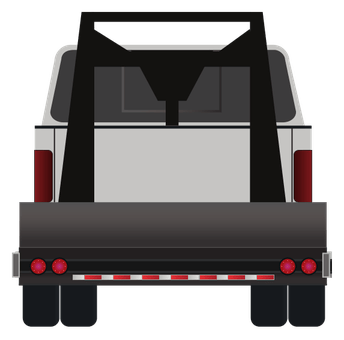
Hot shot truck rear view
102 inWide
120 inHigh
Deck length32–40 ft
Payload42,000 lbs
Deck width102 in
Load height120 in
Best for

Construction, oilfield and farm equipment, machinery

About hot shot trucks

A hot shot pairs a heavy-duty pickup with a gooseneck flatbed trailer. It is the fast choice for equipment and machinery that need an open deck but not a full semi. Ramps at the back let rolling equipment drive straight on.

Price a hot shot truck

Send the pickup, delivery and weight, and we'll match the truck to your load.

Talk to dispatch(800) 373-2480 Get a hot shot quote
Working with us

How FullTruckload.com runs regional freight

A load goes right when one person owns it, the option fits and the updates are honest.

Expeditor Steve

“I had a single point of contact assigned to our shipment that was fantastic on keeping me updated every step of the way.”

Pamela · Trustpilot
HowWe Work

One Person, Start to Finish

When you call FullTruckload.com, you reach a real person right away, and that same person owns your load from the first call to final delivery. You never have to explain it twice.

Your contact books it, follows it the whole way and is the person you call next time.

  • A direct number for your contact
  • Updates at pickup and delivery
  • The same person on your next load
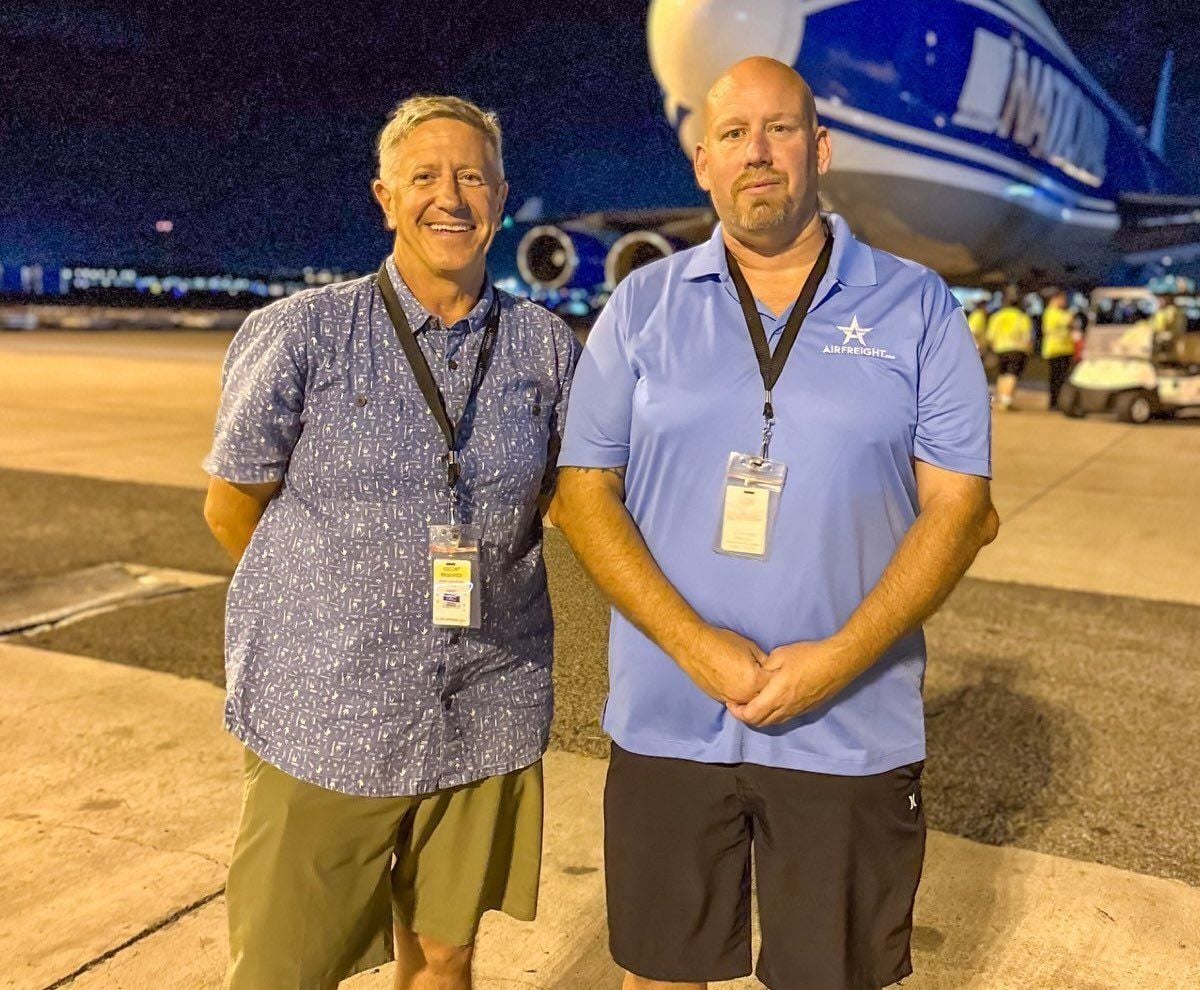
Expeditor Chris at the airport

“I called up at 7:30 pm... one that was secured cancelled at the end of the day. Todd quoted three shipments on the spot... The last shipment was picked up at Midnight.”

Susan · Trustpilot
WhatWe Provide

The Right Mode, Every Time

Every load is different, and the right solution is the one that actually fits. We book 53 ft dry vans, flatbeds, large straight trucks, box trucks, Sprinter vans and hot shot trucks for regional and long-distance freight.

We match the load to the option it needs, so you never pay for capacity or speed you do not use.

  • Each option weighed against your deadline
  • Smaller trucks when a trailer is too much
  • Recurring regional lanes on a schedule
The expediting team at the airport

“True to word. They did exactly what they said they would do.”

Dan · Trustpilot
WhoWe Are

Honest With You, Always

Urgent freight is stressful enough without wondering whether you have the full story. We give you the price before you commit, the timeline as it actually stands, and if something goes wrong, you hear it from us first.

That includes telling you when a smaller truck will do the job.

  • Clear quotes before you commit
  • Real updates, including the bad news
  • We tell you when smaller will do

Regional Trucking Questions Answered

What is regional trucking?

Regional trucking is the movement of freight within one region of the country, usually within about a day's drive, rather than within a single city or across the country. It covers runs between cities and neighboring states, such as distribution centers supplying stores or suppliers delivering to plants. The exact range varies because carriers define their regions differently. For shippers, regional trucking offers fast reach within a region, often same day or next day, with simpler planning than long haul runs.

What is the difference between local, regional and long haul trucking?

Local trucking stays within one metro area, with short runs and several stops a day. Regional trucking crosses a region, linking cities and neighboring states, usually within a day or two of driving. Long haul trucking crosses the country, with drivers away for many days. Each suits different freight: local for city deliveries, regional for most distribution between warehouses, plants and stores, and long haul for distant destinations. Driver hours shape long haul planning far more than local or regional runs.

How far is a regional trucking run?

There is no single official distance for a regional run. Many carriers describe regional trucking as freight moving within a few hundred miles, often within one day's drive, while others use wider regions that cover several states. The difference comes from how each carrier organizes its routes and driver schedules. For shippers, the practical question is whether the receiver can be reached within the time available, given the distance, driver hours, loading time and the receiver's delivery appointment. A provider can tell you what is realistic for a specific lane.

What is short haul trucking?

Short haul trucking refers to runs over relatively short distances, typically within a metro area or a nearby part of a region, where the truck and driver return to their base at the end of the day. It sits at the shorter end of regional trucking. Short haul is used for transfers between warehouses and plants, deliveries to stores and job sites, and port or rail yard moves. Because distances are short, deliveries can often be made the same day, sometimes with several loads in one shift.

When should a shipper use regional trucking?

A shipper should use regional trucking when freight is moving within a region, such as from a distribution center to stores, between plants, from suppliers to manufacturers or to construction sites in neighboring states. Regional trucks can often deliver the same day or by the next morning within that range, which keeps inventory moving without air freight. For freight going across the country, long haul trucking or air freight is usually a better fit, while city deliveries suit local trucking.

What is a dedicated regional lane?

A dedicated regional lane is a recurring route between the same pickup and delivery locations within a region, run on a regular schedule. For example, a distribution center might ship to the same group of stores several times a week. Setting up a lane means the pickups, dock instructions, contacts and timing are agreed in advance, which makes it easier to secure trucks ahead of busy periods and keep deliveries consistent. Each load can still move on a dedicated truck that runs directly to the receiver.

Can a regional truck deliver the same day?

Often, yes. Within a few hundred miles, a dedicated regional truck loaded in the morning can usually deliver the same day, as long as the run fits within the driver's hours and the receiver is open. Longer regional runs may arrive the next morning instead. The exact timing depends on the distance, the time of pickup, loading time, traffic and weather. Sharing the receiver's hours and any delivery appointment when booking helps the carrier plan a same day delivery. Booking early in the day helps too.

What trucks are used for regional freight?

Regional freight moves on the full range of trucks. Cargo and Sprinter vans handle urgent small loads, box trucks and straight trucks carry several pallets and often have liftgates, and hot shot trucks carry heavy partial loads on an open deck. Full loads move on 53 ft dry vans for enclosed freight and flatbeds for steel, machinery and building materials. The right truck depends on the weight, size and loading method of the freight and on the pickup and delivery sites.

How do driver hours affect regional runs?

Federal hours of service rules limit how long a truck driver can drive in a shift and require rest breaks. For regional trucking, those limits decide how far one driver can go in a day and when the truck must stop. Runs near the limit may need an early start or careful timing around the receiver's appointment. Loading delays and traffic use up driving time, so having freight ready and confirming appointments helps a regional run stay on schedule.

How do I book regional trucking?

To book regional trucking, contact a provider with the details of the load: what the freight is, the number of pieces or pallets, the weight and dimensions, whether it stacks, the pickup and delivery addresses, dock or liftgate needs, any delivery appointment and the ready and delivery dates. For recurring freight, explain how often it ships. The provider matches a truck, confirms the quote and pickup time, shares the carrier details and tracks the load until delivery. Ask how you will be updated before you book.

Get a quote

Regional freight to move? Book a dedicated truck now

Enter your pickup, delivery and date. Your contact books the truck that fits and keeps you updated 24/7.

5.0 from 1,600+ reviews on

Request a Quote

Step 1 of 3Origin and Destination Info

They were very fast. Picked up the item in about 3 hours of first contact and drove it straight to the destination with regular updates.

Eric · Verified review on Trustpilot
CTA Hero Star Background
TOP