
Skip to content

Long Haul Trucking

Freight going across the country has to arrive on a date you can plan around. FullTruckload.com books a dedicated truck for the long haul and plans the run around driver hours. When the date is tight, we switch to a faster option.

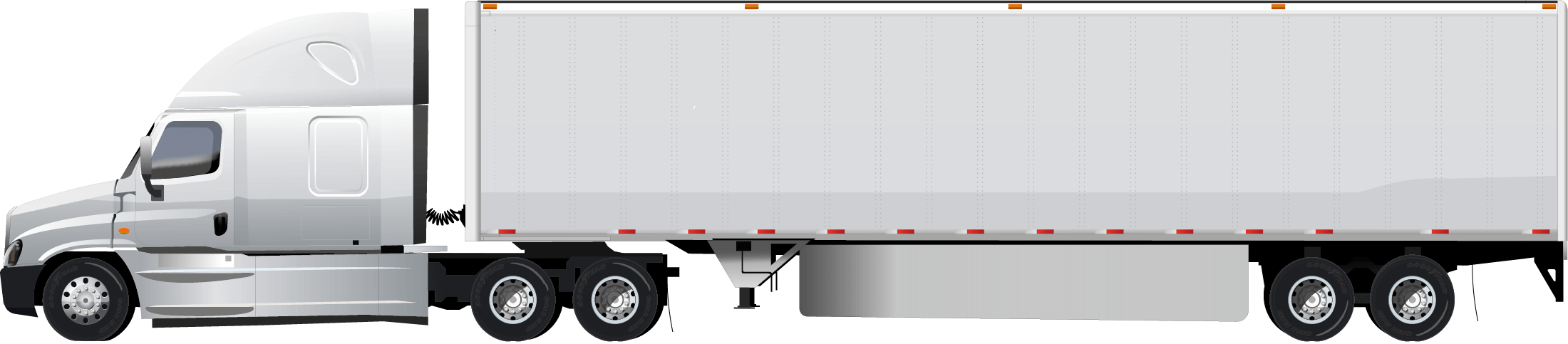
53 ft dry van
Expeditor at his desk tracking a shipment
In short

Multi-day, over the road

Long haul means a truck move that crosses regions and spends several days on the road.

Long haul Long-haul trucking

What long-haul trucking means for shippers

From a plant in the Southeast shipping to a distribution center on the West Coast to machinery heading north into Canada, long-haul trucking covers truck moves that cross regions and take several days. Most long-haul loads are full truckloads in a 53 ft dry van or on a flatbed, driven over the road from pickup to delivery.

You will also hear the terms OTR, short for over-the-road, and line haul. OTR describes the same long, multi-day driving. Line haul is the long middle part of a move, between pickup and final delivery.

FullTruckload.com gives you direct access to long-haul trucks across the US, Canada and Mexico, backed by 24/7 tracking and one point of contact who manages the load from pickup to delivery. Every shipment is monitored from start to finish.


Aerial view of a truck driving on the road
Distance bands Trucking distance

Long haul, regional and short haul

When you plan a truck move, the distance band decides how it runs. Short-haul and local trucking keep the driver near home, with pickups and deliveries finished the same day. Regional trucking stays within one part of the country, usually over a day or two, with drivers home on a regular cycle.

Long haul crosses regions over several days, so the truck stops each night under federal driving limits. That means pickup timing, delivery appointments and the rest stops in between all need planning before the truck leaves.

We support each band with dedicated trucks, from short regional runs to coast-to-coast loads. It's also useful to know your band before you call, so FullTruckload.com can plan the right pickup time and delivery appointment for the distance.

Distance bands

How the three distance bands compare

Short haul, regional and long haul differ in how far the truck goes and how the trip is planned. Read across the rows to see which band your load falls into.

Short haul Local, same day Regional Within a region Full Truckload Long haul, FullTruckload.com
Driver home daily Yes: Back the same day Sometimes: Home on a cycle No: Days on the road
Crosses several states No: Metro or nearby area Sometimes: Neighbouring states Yes: Coast to coast
Multi-day transit No: Same day delivery Sometimes: Sometimes overnight Yes: Several days
Driver hours shape the plan Sometimes: Rarely a limit Sometimes: On longer runs Yes: Every day of the trip
Suits full truckloads Yes: Often smaller trucks too Yes: Vans and flatbeds Yes: 53 ft vans and flatbeds
Best when Deliveries near the origin Loads within one region Freight crossing the country

Short haul

Local, same day
Driver home daily
Yes: Back the same day
Crosses several states
No: Metro or nearby area
Multi-day transit
No: Same day delivery
Driver hours shape the plan
Sometimes: Rarely a limit
Suits full truckloads
Yes: Often smaller trucks too
Best when
Deliveries near the origin

Regional

Within a region
Driver home daily
Sometimes: Home on a cycle
Crosses several states
Sometimes: Neighbouring states
Multi-day transit
Sometimes: Sometimes overnight
Driver hours shape the plan
Sometimes: On longer runs
Suits full truckloads
Yes: Vans and flatbeds
Best when
Loads within one region

Full Truckload

Long haul, FullTruckload.com
Driver home daily
No: Days on the road
Crosses several states
Yes: Coast to coast
Multi-day transit
Yes: Several days
Driver hours shape the plan
Yes: Every day of the trip
Suits full truckloads
Yes: 53 ft vans and flatbeds
Best when
Freight crossing the country

Distance bands are general industry terms; FullTruckload.com books trucks for all three.

Expeditor Kevin
Why it matters

A solo truck stops daily

Federal limits mean one driver must rest every day, which sets the pace of a long load.

Hours of service Driver hours

How driver hours set the pace

Federal hours-of-service rules limit how long a truck driver can drive, and they set the pace of every long load. A driver hauling property can drive up to 11 hours after 10 consecutive hours off duty. All driving must fall within a 14-hour on-duty window.

A 30-minute break is required after 8 hours of driving, and weekly limits of 60 hours in 7 days or 70 hours in 8 days cap the total. Electronic logging devices record these hours automatically, so the limits are enforced on every trip.

For a shipper, this means a solo truck stops every day, however urgent the load. We align the pickup time and delivery appointment with these limits, and FullTruckload.com plans each long load so the date you are given is one the driver can legally meet.

Long haul by the numbers

Long-haul trucking by the numbers

11 hours

maximum driving time per shift for a solo truck driver1

What it means for you

One driver can only drive so long before a required rest, so a long load moves in daily stages. FullTruckload.com plans the pickup and delivery times around those limits, and books a faster setup when a solo truck cannot make the date.

$2.336

average cost per mile to operate a truck in 20252

Running a truck is expensive every mile, so long distances add up quickly in the cost of a load.

$3.660

US average retail diesel price per gallon in 20253

Fuel is one of the largest costs on a long move, and diesel prices feed straight into freight costs.

$11.5 billion

in trucking productivity lost to driver detention in 20234

Time lost waiting at docks also eats into a driver's limited hours on a long trip.

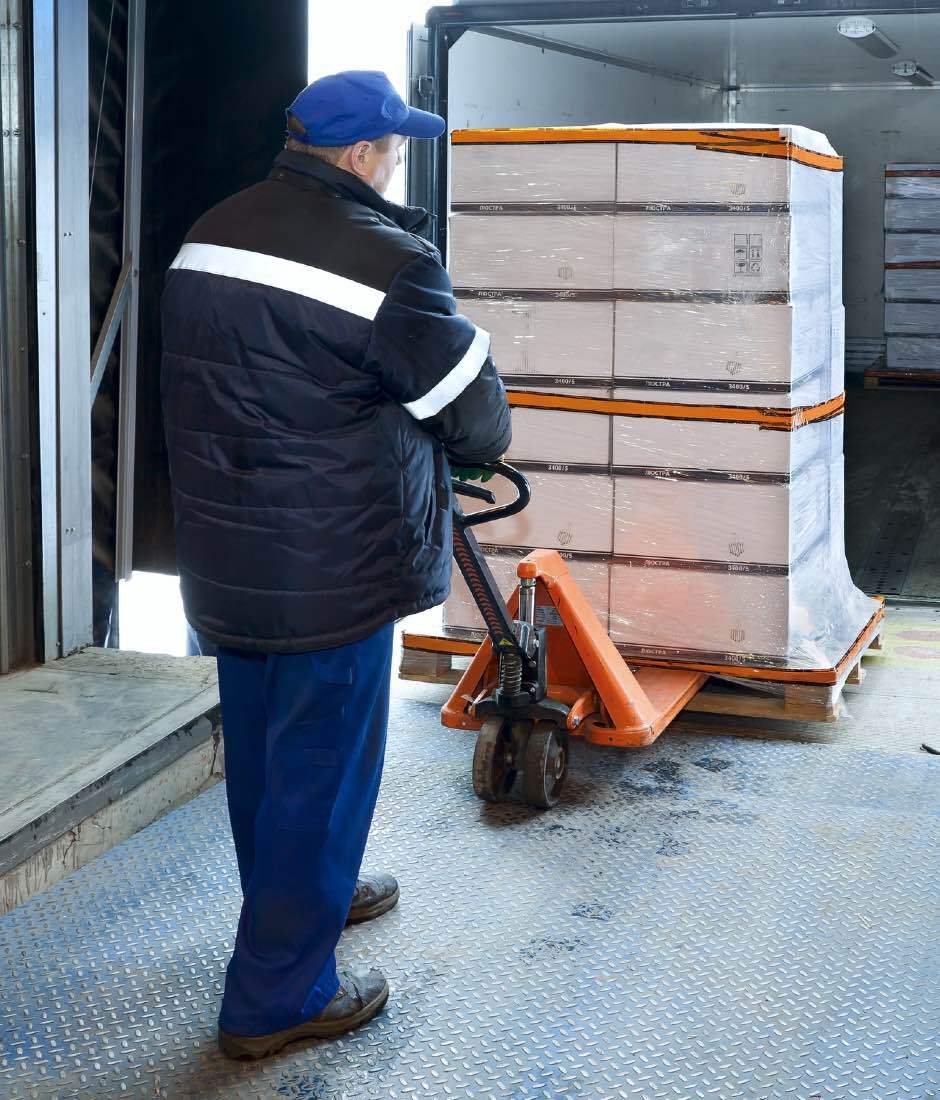
Worker loading a truck
Equipment and cost Long-haul freight

Equipment and cost on a long load

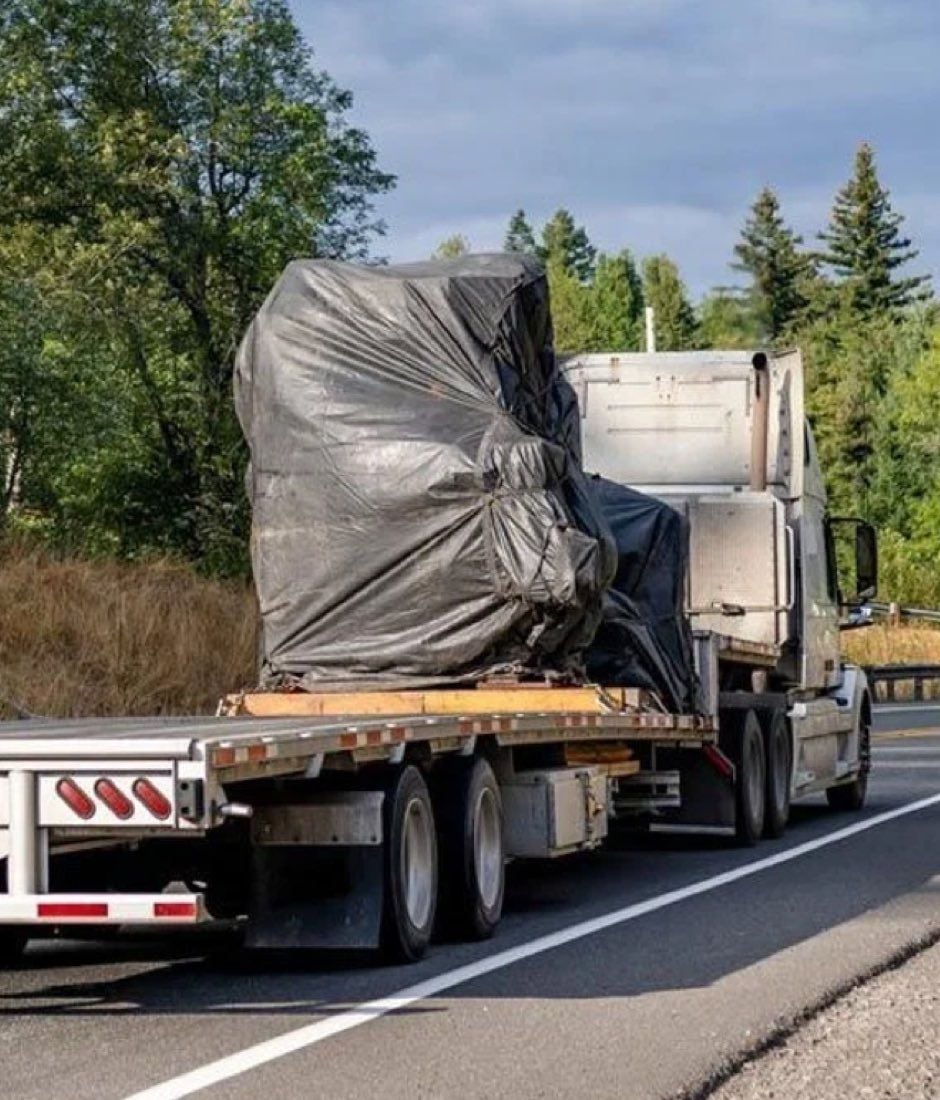
A 53 ft dry van carries up to 42,000 lbs of palletized and boxed freight, larger than any straight truck and fully enclosed for a long trip. A flatbed carries up to 48,000 lbs of machinery and materials that load from the side or top. For a partial urgent load, a hot shot or straight truck can make more sense than a full trailer.

The right equipment comes from the freight's weight, size, pallet count and loading method. As with most truckload freight, distance, fuel, the type of truck, how soon you need it and how much capacity the lane has all affect the cost of a long load.

We match the equipment to your load and the lane. FullTruckload.com books the truck that fits the freight, so you are not paying for more trailer than the shipment needs.

5.0 from 1,600+ reviews on

Freight going the distance? Get a long-haul quote.

Share the pickup, delivery and dates. Your contact books the right truck, plans the run around driver hours and keeps you updated every day it is on the road.

  • John Mark was a pleasure to work with and kept me updated on the driver's progress as it was an urgent and timely delivery we needed 11 hours away.

    Kenneth
  • At 5pm the I Sent info for our equipment to be moved the next day and Todd made it happen. Had a truck that morning and delivered that night 500 miles away! Thanks for the excellent work

    Michelle

Request a Quote

Step 1 of 3Origin and Destination Info

Expeditors Steve and Todd
Tracking Long-haul loads

Tracking a multi-day load

Long-haul providers usually keep in touch with the driver throughout the trip, including check calls and GPS updates where available. This means the shipper knows where the load is whenever weather, traffic or a breakdown changes the plan.

A long load faces more risk simply because it spends more days on the road. Winter storms, road closures and equipment problems can all cause delays. Realistic pickup times and delivery appointments help, and so does early warning when a truck is running behind, so the receiver can adjust.

Our dispatch team is available around the clock, including weekends and holidays, so you can reach someone at any hour of a long trip. FullTruckload.com sends daily updates to make sure your freight arrives with no surprises at the dock.

Trucks and trailers

The right truck for your freight

Hot shot truck5 / 6

Hot shot truck side view
32–40 ft42,000 lbs
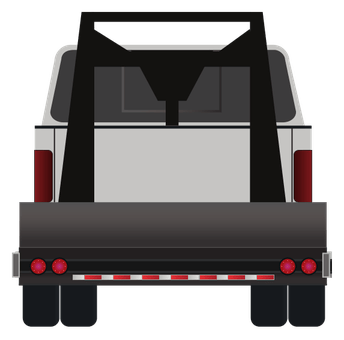
Hot shot truck rear view
102 inWide
120 inHigh
Deck length32–40 ft
Payload42,000 lbs
Deck width102 in
Load height120 in
Best for

Construction, oilfield and farm equipment, machinery

About hot shot trucks

A hot shot pairs a heavy-duty pickup with a gooseneck flatbed trailer. It is the fast choice for equipment and machinery that need an open deck but not a full semi. Ramps at the back let rolling equipment drive straight on.

Price a hot shot truck

Send the pickup, delivery and weight, and we'll match the truck to your load.

Talk to dispatch(800) 373-2480 Get a hot shot quote
Expeditor Andy
Rule of thumb

Options for tight dates

When a solo truck cannot make the date, a direct expedited run or air freight can.

Faster options Long-distance freight

When a solo truck is too slow

FullTruckload.com specializes in long-distance loads that arrive on the date you need, from your dock to final delivery with no transfers. When that date is tight, an expedited truck runs the load direct with no other stops, and the run is planned around driver hours from the start.

For the most urgent loads, air freight moves the shipment across the country fastest. For a partial load that is too heavy for a van, a hot shot or straight truck often gets moving sooner than a full trailer.

This approach builds the schedule around the real limits of the road, which reduces surprises and cuts the risk of a missed date. Your load stays with one contact from the first quote to the signed delivery.

Long-distance options

Long-distance options ranked by speed

This ranking assumes a load crossing several states with a firm delivery date, ordered from fastest to slowest. FullTruckload.com books each of them; re-sort by speed, load or cost.

Sort by
  1. Fastest across the country

    Air freight

    The shipment flies on the next suitable flight, with trucks at both ends. It suits critical freight that cannot wait for any truck.

    GoodFastest over long distances WatchSize limits and highest cost
    Fastest
    relative speed
    Aircraft limits
    max load
    $$$$$
    relative cost
  2. Best for heavy partial loads

    Hot shot

    A pickup with a flatbed or gooseneck trailer, dispatched for one load. It moves partial heavy loads that do not need a full flatbed.

    GoodQuick dispatch, direct run WatchLower weight limit
    Fast
    relative speed
    ~16,000 lbs
    max load
    $$$$$
    relative cost
  3. Best value for full enclosed loads

    Solo 53 ft dry van

    One driver runs the load in daily stages under hours-of-service limits. It is the standard way to move a full enclosed load a long way.

    GoodStandard, widely available WatchDaily rest stops add time
    Standard
    relative speed
    ~42,000 lbs
    max load
    $$$$$
    relative cost
  4. Best for heavy open-deck freight

    Solo flatbed

    One driver hauls machinery or materials on an open trailer over several days. It carries the heaviest standard loads.

    GoodHighest payload WatchSecuring and weather exposure
    Standard
    relative speed
    ~48,000 lbs
    max load
    $$$$$
    relative cost
Freight News
Diesel and freight costs

Diesel prices climb past $6 a gallon

Diesel is far more expensive than a year ago, which raises the cost of every long truck move.

Truck driving on the open road
At a glance · October 2026
$6.352
average diesel price per gallon
$2.634
rise in diesel from a year earlier

What is happening

According to FleetOwner, the national average diesel price rose 8 cents to $6.352 per gallon, up $2.634 from a year earlier.

Source: FleetOwner, October 28, 2026

Why it is happening

The increases are linked to limited Strait of Hormuz traffic and crude oil prices above $100 per barrel.

What it means for you

Fuel weighs most on long loads. FullTruckload.com matches the truck to the freight so you do not pay to haul empty space.

Working with us

How FullTruckload.com handles long hauls

A long load runs well when one person owns it for every day it is on the road.

Expeditor Steve

“I had a single point of contact assigned to our shipment that was fantastic on keeping me updated every step of the way.”

Pamela · Trustpilot
HowWe Work

One Person, Start to Finish

When you call FullTruckload.com, you reach a real person right away, and that same person owns your load from the first call to final delivery. On a trip that lasts several days, you never have to explain the shipment twice.

That contact books the truck, follows it through every day on the road and is the person you call for the next load.

  • A direct number for your expeditor
  • Updates every day on the road
  • The same person on your next load
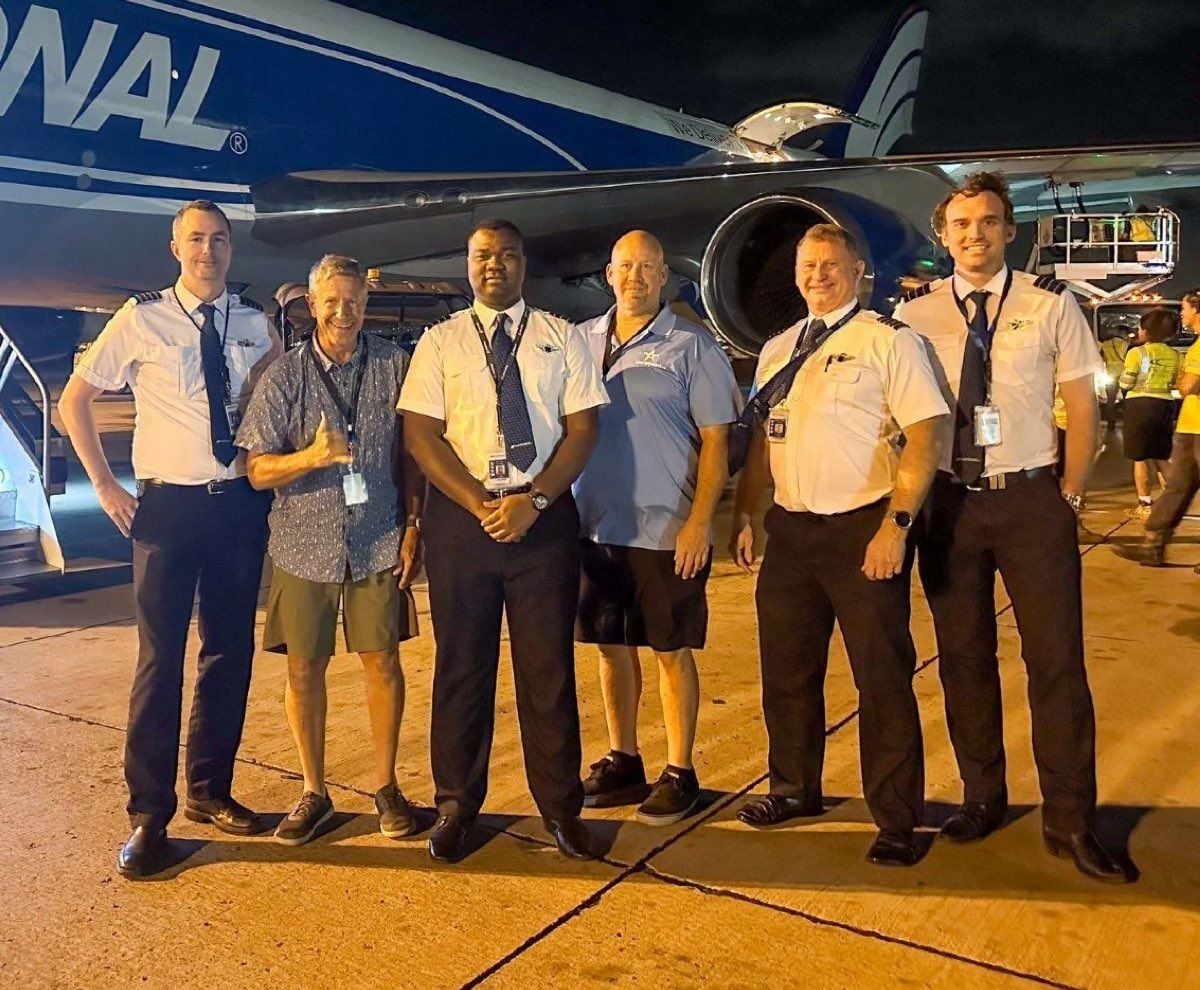
Expeditor Chris at the airport

“I called up at 7:30 pm... one that was secured cancelled at the end of the day. Todd quoted three shipments on the spot... The last shipment was picked up at Midnight.”

Susan · Trustpilot
WhatWe Provide

The Right Truck or a Faster One

Every long load is different. We arrange 53 ft dry vans and flatbeds for full loads, hot shots and straight trucks for partial ones, and air freight when the road is too slow.

We match the load to the option that fits the deadline, so you never pay for speed you do not need.

  • Each option weighed against your deadline
  • Expedited trucks for tight dates
  • Air freight when trucks are too slow
The expediting team at the airport

“True to word. They did exactly what they said they would do.”

Dan · Trustpilot
WhoWe Are

Honest With You, Always

A long move has more ways to go wrong, which is why straight answers matter. We give you the price before you commit, the timeline as it actually stands, and if something goes wrong, you hear it from us first.

That includes telling you when a solo truck will still make your date and a faster option is not needed.

  • Clear quotes before you commit
  • Real updates, including the bad news
  • We say when a solo truck works

Long-Haul Trucking Questions Answered

What is long-haul trucking?

Long-haul trucking is the movement of freight by truck over long distances, typically across several states or regions, with trips that last several days. Drivers stay on the road overnight and follow federal hours-of-service limits that require daily rest. Most long-haul freight moves as full truckloads in 53 ft dry vans or on flatbeds, although other equipment is used for specialized loads. Long-haul trucking connects manufacturers, ports and distribution centers that are far apart. For shippers, it means planning around transit days, delivery appointments and the costs that rise with distance and fuel.

What is the difference between line haul, long haul and OTR?

The three terms overlap but are used differently. Long haul describes truck moves over long distances that take several days. OTR, short for over-the-road, means much the same thing and is common in driver and carrier language for long, multi-day routes away from home. Line haul refers to the main movement of freight between two points, such as the long stretch between a pickup city and a delivery city, as opposed to the local pickup and delivery at each end. In pricing, line haul often means the base transportation charge before fuel and other costs.

What is regional trucking?

Regional trucking moves freight within one part of the country, such as the Southeast, the Midwest or the Northeast, rather than coast to coast. Trips are shorter than long-haul runs and often last a day or two, so drivers usually return home on a regular schedule. Regional trucking suits distribution networks that serve stores, plants or customers within a few hundred miles of a warehouse or factory. For shippers, regional moves are easier to schedule than long hauls because fewer rest stops fall in the middle of the trip and delivery appointments can be planned more tightly.

What is short-haul trucking?

Short-haul trucking covers truck moves over short distances, often within a metro area or a nearby radius, where the driver starts and finishes the day at the same home base. Typical short-haul work includes deliveries from a distribution center to stores, moves between plants and warehouses, and port or rail yard drayage. Federal rules include a short-haul exception that changes some recordkeeping and timing requirements for drivers who stay within a set radius and return to their work location. For shippers, short-haul moves usually mean same day pickup and delivery and a wider choice of truck sizes.

What are hours-of-service rules?

Hours-of-service rules are federal regulations from the Federal Motor Carrier Safety Administration that limit how long commercial truck drivers can drive and work. For property-carrying drivers, the core rules allow up to 11 hours of driving after 10 consecutive hours off duty, all within a 14-hour on-duty window. Drivers must take a 30-minute break after 8 hours of driving, and weekly limits of 60 hours in 7 days or 70 hours in 8 days apply. The rules aim to reduce fatigue-related crashes. For shippers, they set how far a solo truck can travel each day.

What is the 14-hour rule?

The 14-hour rule is the part of the federal hours-of-service regulations that limits a truck driver's workday. Once a driver comes on duty after 10 consecutive hours off, they have a 14-hour window in which all driving must happen. Within that window, the driver can drive up to 11 hours, and the time does not pause for loading, waiting or breaks. When the 14 hours are up, the driver must take another 10 hours off before driving again. This is why long waits at a dock can cost a driver usable driving time and push a delivery later.

What is the 30-minute break rule?

The 30-minute break rule requires a truck driver hauling property to take at least a 30-minute break from driving after 8 cumulative hours of driving time. The break can be spent off duty, in the sleeper berth or on duty but not driving, such as during fueling or loading. It is part of the federal hours-of-service regulations and is recorded on the driver's electronic logging device. For long-haul shippers the break is a small part of the trip, but together with the daily 10-hour rest it explains why a solo truck covers less ground than a straight calculation of distance and speed suggests.

What is an electronic logging device?

An electronic logging device, or ELD, is equipment connected to a truck's engine that automatically records driving time and other hours-of-service data. Federal rules require most commercial drivers who must keep records of duty status to use an ELD instead of paper logbooks. The device captures when the truck is moving, along with date, time, location and engine hours, and lets inspectors review a driver's hours at roadside checks. For shippers, ELDs mean driver hours are tracked precisely, so a carrier cannot simply drive longer to make up for a late pickup or long wait.

What is a check call?

A check call is a scheduled status update on a truck shipment, traditionally a phone call from the driver or dispatcher reporting the truck's location and expected arrival. On a long-haul load, check calls might happen at pickup, at set times each day and before delivery. Many carriers now supplement or replace them with GPS tracking and automatic location updates from the truck. Check calls still matter when something changes, such as weather, a breakdown or a delay at a dock. Shippers should agree how often they will receive updates before the truck leaves.

What is a delivery appointment?

A delivery appointment is a scheduled date and time when a receiving facility agrees to accept a truck. Many warehouses, distribution centers and retailers require appointments so they can plan dock doors and staff. Trucks that arrive late may be turned away or rescheduled, and trucks that arrive early may have to wait. On a long-haul load, the delivery appointment has to account for the driver's hours-of-service limits and realistic transit days. Shippers should share any appointment requirements before booking so the pickup time and the appointment line up.

Get a quote

Shipping across the country? Book your long-haul truck

Enter your pickup, delivery and date. We book the right truck, plan the run around driver hours and keep you updated until delivery.

5.0 from 1,600+ reviews on

Request a Quote

Step 1 of 3Origin and Destination Info

Fantastic! I called and spoke to an extremely helpful gentlemen by the name of Kevin at 7:00 p.m. I couldn't ask for a better experience. Quick, Courteous, and had a driver sitting in PA at 9:30 the next morning.

Devin · Verified review on Trustpilot
CTA Hero Star Background
TOP