
Skip to content

Line Haul Trucking

When freight has to cross several states, the long middle leg is where it can get stuck between terminals. FullTruckload.com books a direct truck that runs the whole trip with no handoffs. One contact keeps you updated from pickup to delivery.

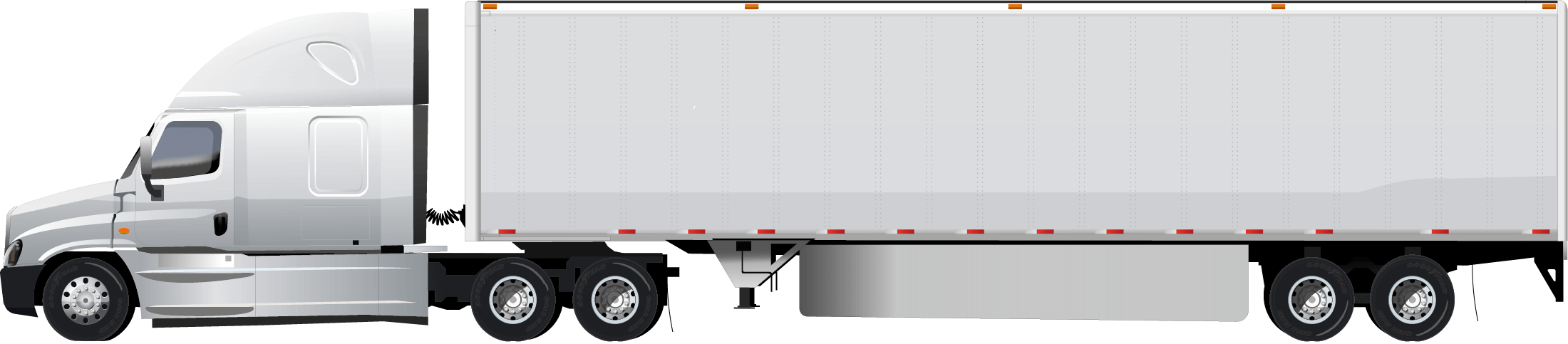
53 ft dry van
Expeditor at his desk tracking a shipment
In short

The long middle leg

Line haul is the main run between origin and destination, between pickup and delivery.

Line haul What it means

What line haul means

From a trailer of auto parts moving from Michigan to Georgia to machinery heading from Texas to Ohio, line haul is the main leg of a shipment: the long run between the origin area and the destination area. It is separate from the local pickup at the start and the local delivery at the end.

Carriers use the term to describe how they organize trucks, drivers and trailers for those long legs. This page explains line haul for shippers moving freight, not driver jobs.

FullTruckload.com books direct trucks that run the whole line haul across the US, Canada and Mexico. We give you direct access to trucks through licensed carriers, backed by 24/7 tracking and one point of contact who manages the load from pickup to delivery. Every shipment is monitored from start to finish.
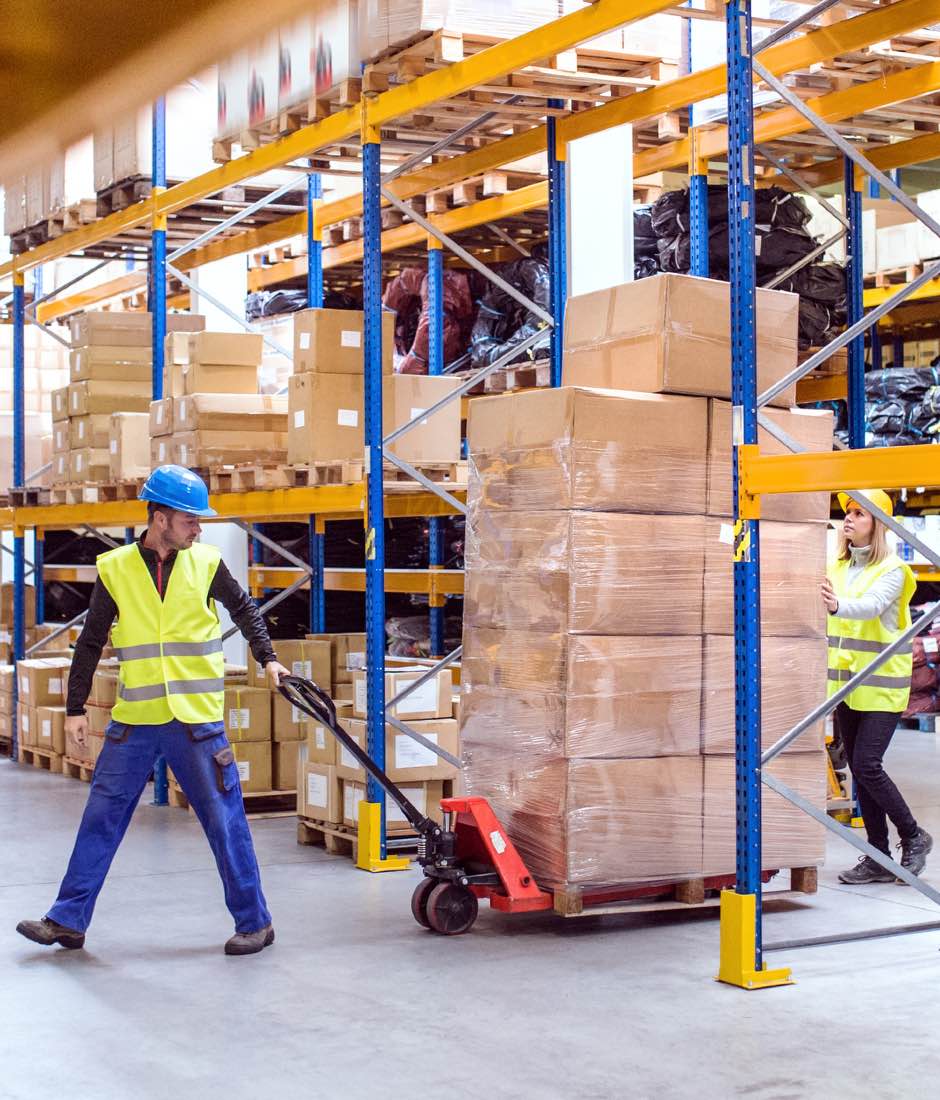
Workers handling boxes
Shipment path Line haul

The path of a shipment

Shared terminal networks usually move freight in stages, including a local pickup, a terminal stop and a line haul trailer. This means a shipper's freight changes hands several times whenever it travels this way. A pickup truck collects the freight and brings it to the origin terminal, where it is unloaded, sorted and loaded onto a line haul trailer with other shipments.

The line haul trailer runs to a destination terminal, sometimes through another hub. There the freight is unloaded again and put on a local truck for delivery. Each handoff adds handling, time and a chance of damage or misrouting, which is fine for routine freight but risky for urgent loads.

Our dispatch team is available around the clock, including weekends and holidays. FullTruckload.com books direct trucks to make sure urgent freight skips those handoffs entirely.

How the long leg runs

Terminal network, direct truckload or expedited

A shared terminal network, a direct truckload and an expedited truck all cover the long leg, but they handle freight very differently. FullTruckload.com books direct and expedited trucks; read across to compare.

Terminal network Shared, staged Full Truckload Direct, FullTruckload.com Expedited truck Direct, non-stop
Freight changes trucks Yes: At each terminal No: One truck dock to dock No: One truck dock to dock
Handled at terminals Yes: Sorted and reloaded No: Loaded once No: Loaded once
Sealed dock to dock No: Opened at terminals Yes: Seal stays on Yes: Seal stays on
Fastest over long legs No: Terminal schedules Sometimes: Daily rest stops Yes: Fewest stops
Suits partial loads Yes: Built for them Sometimes: Smaller trucks available Sometimes: Often full trucks
Best when Routine, flexible freight Full or sensitive loads Tight long-distance dates

Terminal network

Shared, staged
Freight changes trucks
Yes: At each terminal
Handled at terminals
Yes: Sorted and reloaded
Sealed dock to dock
No: Opened at terminals
Fastest over long legs
No: Terminal schedules
Suits partial loads
Yes: Built for them
Best when
Routine, flexible freight

Full Truckload

Direct, FullTruckload.com
Freight changes trucks
No: One truck dock to dock
Handled at terminals
No: Loaded once
Sealed dock to dock
Yes: Seal stays on
Fastest over long legs
Sometimes: Daily rest stops
Suits partial loads
Sometimes: Smaller trucks available
Best when
Full or sensitive loads

Expedited truck

Direct, non-stop
Freight changes trucks
No: One truck dock to dock
Handled at terminals
No: Loaded once
Sealed dock to dock
Yes: Seal stays on
Fastest over long legs
Yes: Fewest stops
Suits partial loads
Sometimes: Often full trucks
Best when
Tight long-distance dates

Summarised for US domestic freight; FullTruckload.com books direct trucks through licensed carriers.

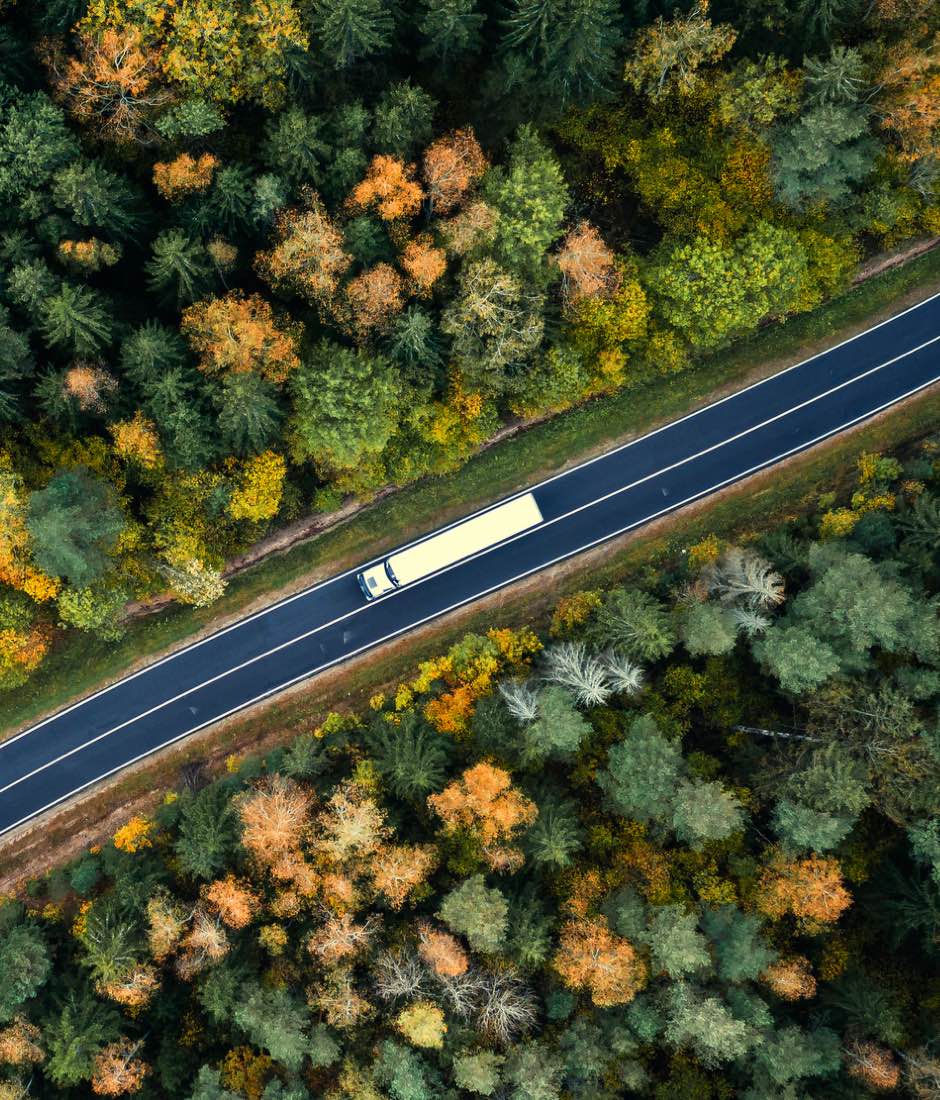
Aerial view of a truck driving on the road
Why it matters

Loaded once, unloaded once

A direct truck skips the terminals, so freight is handled only at each end.

Direct truck Line haul

A direct truck through the line haul

While a terminal network splits a trip into stages, a direct truck makes the whole trip one move. The freight is loaded once at your dock, the truck runs the line haul and the local legs without stopping at terminals, and it is unloaded once at the receiver. The trailer can stay sealed the whole way.

Direct trucks suit full truckloads and any freight that should stay on one truck: high-value goods, fragile items, urgent orders and sealed loads. For partial urgent loads, a hot shot or straight truck can run direct too.

For freight that cannot risk handoffs, a direct truck provides a balance of speed and protection that a staged network can't match. This makes FullTruckload.com's direct booking a practical alternative for loads crossing several states.

The long leg

Ways to move the long leg, ranked by handoffs

This ranking orders the ways to move freight across a long line haul, from the fewest handoffs to the most. FullTruckload.com books the first three; re-sort by handoffs, speed or cost.

Sort by
  1. Best for full loads

    Direct 53 ft dry van

    A single truck carries a full load dock to dock in daily stages. The trailer can stay sealed the whole way.

    GoodLoaded once, sealed WatchDaily rest stops
    None
    handoffs
    Standard
    speed over distance
    $$$$$
    relative cost
  2. Best for heavy partials

    Hot shot

    A pickup with a flatbed or gooseneck trailer runs one heavy partial load direct. It avoids terminals for urgent equipment.

    GoodDirect for heavy partials WatchLower weight limit
    None
    handoffs
    Fast
    speed over distance
    $$$$$
    relative cost
  3. Best for enclosed partials

    Straight truck

    A single-unit truck runs a few pallets direct to the receiver. It suits partial loads that must stay enclosed.

    GoodDirect, enclosed WatchLimited space
    None
    handoffs
    Fast regionally
    speed over distance
    $$$$$
    relative cost
  4. Best for routine freight

    Shared terminal network

    Freight moves in stages through terminals with other shipments. It costs less for small routine shipments that can wait.

    GoodLowest cost for small loads WatchSeveral handoffs
    Several
    handoffs
    Slowest
    speed over distance
    $$$$$
    relative cost
5.0 from 1,600+ reviews on

Freight crossing several states? Get a direct truck quote.

Share the pickup, delivery and freight details. Your contact books a direct truck through a licensed carrier and keeps you updated through the long leg.

  • John Mark was a pleasure to work with and kept me updated on the driver's progress as it was an urgent and timely delivery we needed 11 hours away.

    Kenneth
  • Fantastic! I called and spoke to an extremely helpful gentlemen by the name of Kevin at 7:00 p.m. I couldn't ask for a better experience. Quick, Courteous, and had a driver sitting in PA at 9:30 the next morning.

    Devin

Request a Quote

Step 1 of 3Origin and Destination Info

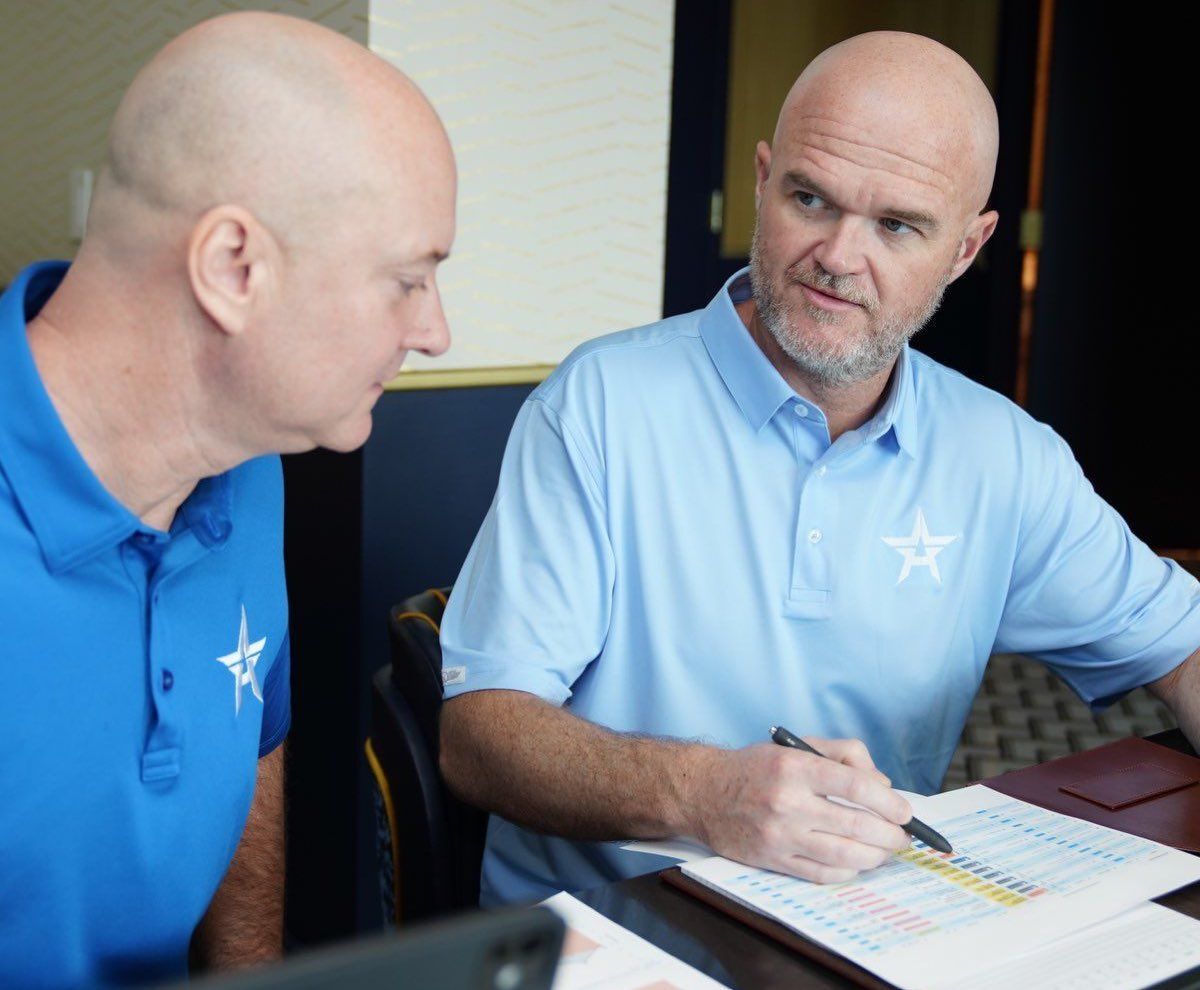
Expeditor Kevin
Long legs Line haul

Driver hours and the long leg

Carriers that run long line haul legs plan around driver hours. Federal hours-of-service rules limit a solo driver's driving each day, so a long leg moves in daily stages with rest stops along the way. Some carriers use relays, where one driver runs part of the route and hands the trailer to a fresh driver at a meeting point.

For a shipper, the practical point is that transit on a long leg follows those limits. A realistic delivery date accounts for daily rest, loading time and the receiver's hours, not just distance and speed.

We align the plan with your deadline, and when the road cannot make the date, air freight is the faster option. FullTruckload.com plans the long leg so the date you are given is realistic.

A direct move

A direct line haul move, step by step

Every direct move FullTruckload.com books follows six steps, from the first freight details to proof of delivery at the far end.

  1. 01

    Share the details

    Send the commodity, weight, pallet count, dimensions, addresses, dock hours and dates. Your contact checks the distance against driver hours before quoting.

    • Weight and size
  2. 02

    Book the truck

    A licensed carrier is booked with a truck for your load only, planned around the date. You receive the carrier and driver details.

    • One truck, your load only
  3. 03

    Load and sign

    The freight is loaded and secured, the seal number is recorded and the driver signs the bill of lading with the piece count.

    • Bill of lading
  4. 04

    Run the long leg

    The truck runs the line haul with no terminal stops. Your contact checks in along the way and warns you early if weather or traffic changes the arrival.

    • Check-ins
  5. 05

    Meet the appointment

    The truck arrives for the delivery appointment, planned around legal driving hours, and the receiver checks the seal before unloading.

    • Appointment
  6. 06

    Deliver with proof

    The receiver signs for the freight and notes any exceptions. You receive proof of delivery, which closes out the load.

    • Proof of delivery

Hours-of-service limits are set by FMCSA and apply to every driver on the trip.

Expeditors Steve and Todd
Rates Line haul

The linehaul part of a rate

The linehaul charge is the core of most truck rates, larger than any other part of the price for a long move. It covers the main transportation of the freight from origin to destination. A fuel adjustment that follows diesel is usually separate, along with charges for any extra services the load needs.

As with most truckload freight, distance, the type of equipment, how soon you need it and how many trucks are available on the lane all affect the linehaul charge. When trucks are scarce on a lane, the linehaul part rises first.

The right truck and an early booking help keep it in line. We match the equipment to your freight, and FullTruckload.com quotes the whole move so you can see the total before you commit.

Line haul by the numbers

Line haul by the numbers

11 hours

maximum driving time per shift for a solo truck driver1

What it means for you

Federal limits on driving time set the pace of every long leg, so a solo truck stops each day however urgent the load. FullTruckload.com plans each line haul around those limits so the delivery date is realistic.

$3.660

US average retail diesel price per gallon in 20252

Fuel is one of the biggest costs on a long leg, and diesel prices feed into every rate.

$11.5 billion

in trucking productivity lost to driver detention in 20233

Time lost at docks eats into driver hours, which can push a long delivery to the next day.

44.2%

truck driver turnover rate in 2025, down from 48%4

High driver turnover is one reason long-haul capacity can tighten quickly.

Expeditor Andy
The upshot

One truck, whole trip

Keeping freight on one truck protects it through the longest part of the move.

Protect it Line haul

Protecting the middle leg

FullTruckload.com specializes in long moves that keep freight on one truck from your dock to final delivery with no terminal handoffs. For sensitive or urgent freight, book a direct truck instead of a staged network. Give complete paperwork and accurate weights and counts, so nothing is held or questioned on the road.

Set realistic pickup and delivery appointments that account for legal driving hours, and ask for updates through the long leg, not just at pickup and delivery. If the date is very tight, ask whether air freight would arrive sooner.

This direct approach removes the handoffs where freight is delayed, damaged or misrouted, which cuts the risk on the longest part of the trip. Your load stays with one truck and one contact from pickup to signature.

Freight News
Truckload capacity

A major freight market tightened in two weeks

Houston's truckload market swung from one of the loosest in the country to one of the tightest in less than two weeks.

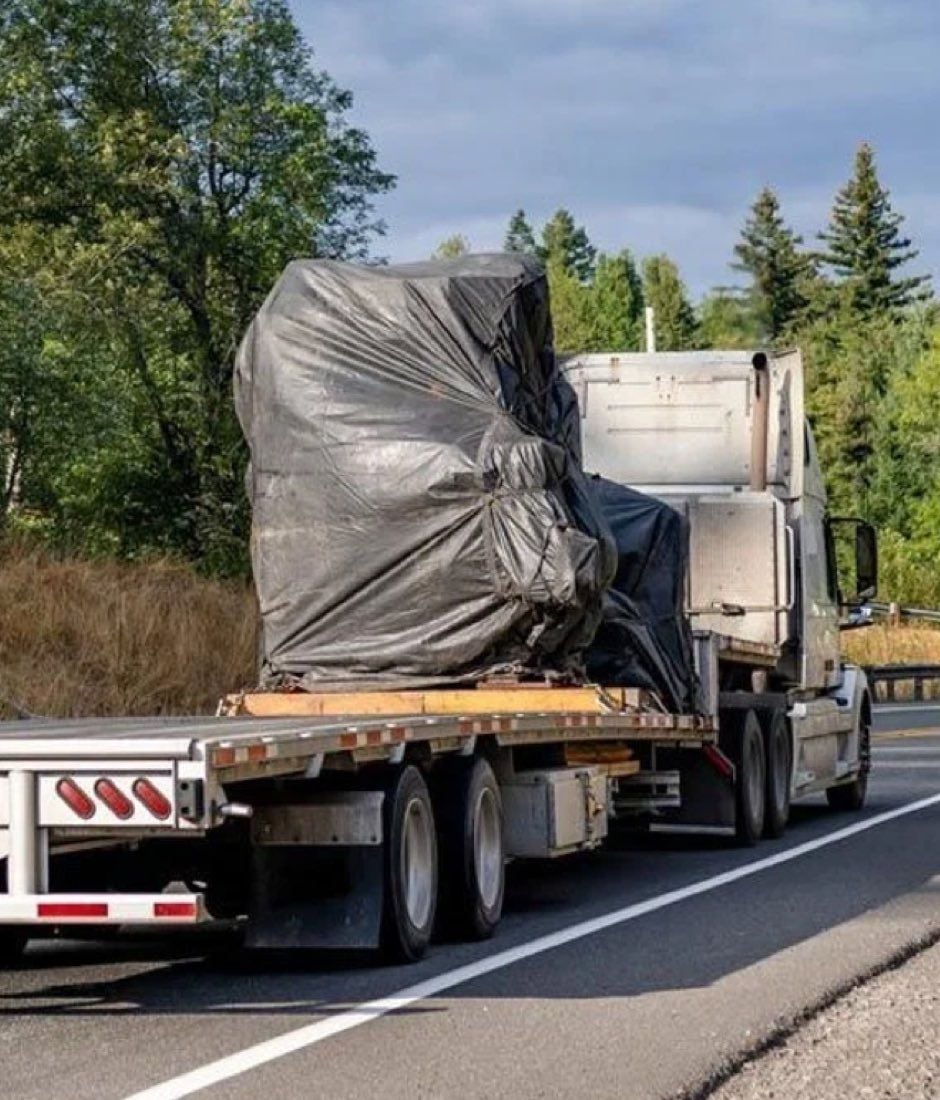
Truck driving on the open road
At a glance · September 2026
10.47%
Houston truckload tender rejections
37%
weekly rise in Houston van spot conditions

What is happening

According to FreightWaves, Houston became the second-tightest of 135 tracked markets in under two weeks, with tender rejections at 10.47%.

Source: FreightWaves, September 23, 2026

Why it is happening

Van spot conditions out of Houston rose 37% week over week as rejections climbed, while national rejections stayed above 14%.

What it means for you

Lane capacity can change in days. FullTruckload.com books direct trucks early and keeps one contact on each long move.

Trucks and trailers

The right truck for your freight

Hot shot truck5 / 6

Hot shot truck side view
32–40 ft42,000 lbs
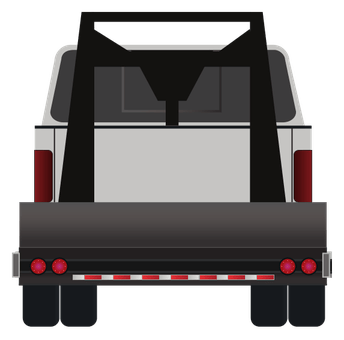
Hot shot truck rear view
102 inWide
120 inHigh
Deck length32–40 ft
Payload42,000 lbs
Deck width102 in
Load height120 in
Best for

Construction, oilfield and farm equipment, machinery

About hot shot trucks

A hot shot pairs a heavy-duty pickup with a gooseneck flatbed trailer. It is the fast choice for equipment and machinery that need an open deck but not a full semi. Ramps at the back let rolling equipment drive straight on.

Price a hot shot truck

Send the pickup, delivery and weight, and we'll match the truck to your load.

Talk to dispatch(800) 373-2480 Get a hot shot quote
Working with us

How FullTruckload.com handles the long leg

A load goes right when one person owns it, the option fits and the updates are honest.

Expeditor Steve

“I had a single point of contact assigned to our shipment that was fantastic on keeping me updated every step of the way.”

Pamela · Trustpilot
HowWe Work

One Person, Start to Finish

When you call FullTruckload.com, you reach a real person right away, and that same person owns your load from the first call to final delivery. You never have to explain it twice.

Your point of contact books it, follows it the whole way and is the person you call next time.

  • A direct number for your point of contact
  • Updates at pickup and delivery
  • The same person on your next load
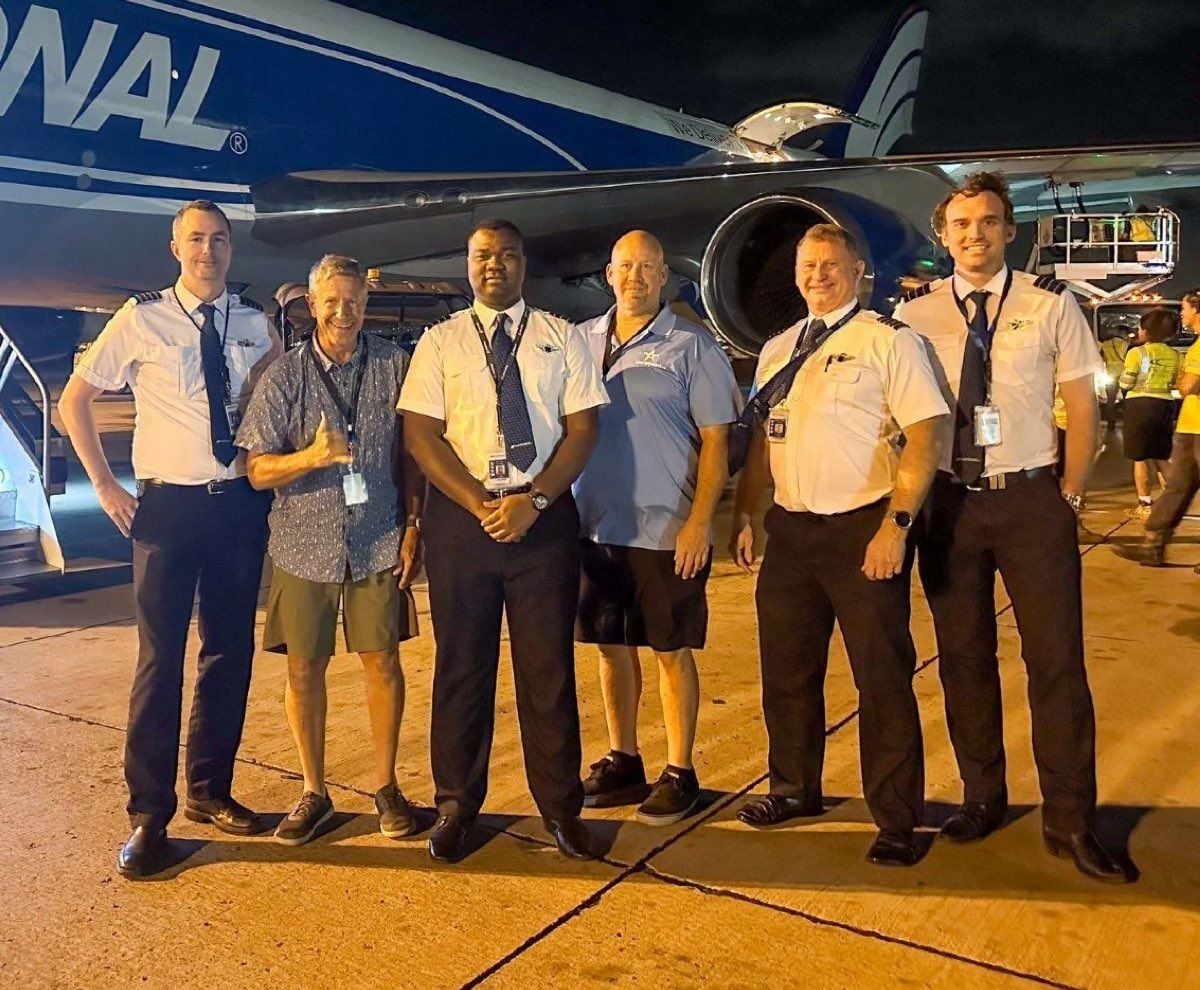
Expeditor Chris at the airport

“I called up at 7:30 pm... one that was secured cancelled at the end of the day. Todd quoted three shipments on the spot... The last shipment was picked up at Midnight.”

Susan · Trustpilot
WhatWe Provide

The Right Mode, Every Time

Every load is different, and the right solution is the one that actually fits. We book 53 ft dry vans, flatbeds, expedited trucks, hot shots and straight trucks that run direct through licensed carriers.

We match the load to the option it needs, so you never pay for capacity or speed you do not use.

  • Each option weighed against your deadline
  • Expedited trucks for tight long-distance dates
  • Sealed trailers for sensitive loads
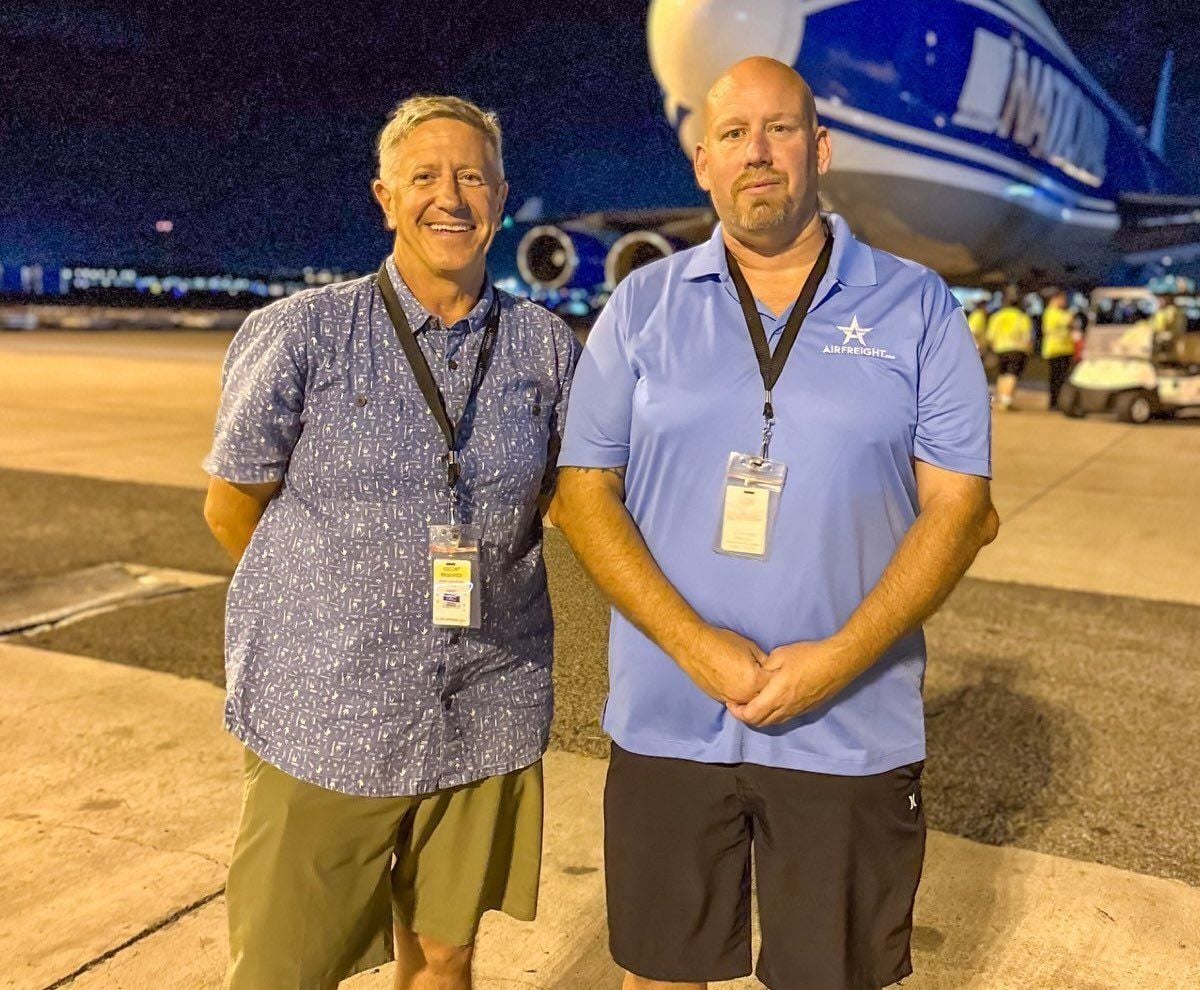
The expediting team at the airport

“True to word. They did exactly what they said they would do.”

Dan · Trustpilot
WhoWe Are

Honest With You, Always

Urgent freight is stressful enough without wondering whether you have the full story. We give you the price before you commit, the timeline as it actually stands, and if something goes wrong, you hear it from us first.

That includes telling you when a solo truck will still make your date.

  • Clear quotes before you commit
  • Real updates, including the bad news
  • We say when another option fits better

Line Haul Questions Answered

What is line haul trucking?

Line haul trucking is the movement of freight over the main leg of its journey, between the origin area and the destination area, as opposed to the local pickup and delivery at each end. Carriers organize trucks, trailers and drivers specifically for these longer runs, often between terminals or hubs. In a direct truckload, the line haul and the local legs are part of one continuous trip by the same truck. For shippers, the line haul is usually the longest part of the move and the part that most affects transit time and cost.

How does line haul differ from long haul?

Long haul describes truck moves over long distances, usually across several states and lasting several days, and is often used for over-the-road truckload freight. Line haul refers to the main leg of a shipment between two points, whatever its length, and is commonly used by carriers that run freight between terminals. A line haul leg can be a few hundred miles or much longer. The two terms overlap, but line haul focuses on the structure of the trip, while long haul focuses on the distance and the multi-day nature of the run.

What is pickup and delivery in trucking?

Pickup and delivery, often called P&D, refers to the local legs of a shipment: collecting freight from the shipper and bringing it to a terminal, and taking freight from a terminal to the receiver. P&D drivers usually make several stops a day within a city or region and return home each night. In a shared terminal network, P&D and line haul are separate operations with different trucks and drivers. In a direct truckload, the same truck handles the pickup, the long leg and the delivery, so there are no separate P&D legs.

What is a linehaul rate?

A linehaul rate is the base charge for moving freight over the main leg of its trip, before fuel and other charges are added. It is usually tied to distance, equipment and the capacity available on the lane, and it is often the largest part of a truckload rate. Industry indexes frequently report linehaul rates separately from fuel because the two change for different reasons. Shippers can use linehaul rate trends to understand how lane capacity is affecting their quotes, while the total cost also depends on fuel and any services the load needs.

What is a relay in trucking?

A relay is a way of moving freight over long distances in which one driver drives part of the route and then hands the trailer to another driver at a meeting point or relay station, who continues the trip. The first driver often takes another trailer back toward home. Relays keep freight moving beyond a single driver's daily hours-of-service limit while letting drivers stay closer to home. They are common in line haul operations. For shippers, a relay can shorten transit compared with one solo driver who must stop to rest each day.

What is a freight terminal?

A freight terminal is a facility where carriers sort, consolidate and transfer shipments between trucks. In a shared terminal network, local trucks bring freight to an origin terminal, where it is loaded onto line haul trailers headed to other terminals, and then unloaded and sent out for delivery. Terminals let carriers combine many small shipments efficiently, but each transfer adds handling and time. Freight that is urgent, fragile or high in value is often better moved on a direct truck that skips terminals and goes straight from pickup to delivery.

What is a dedicated line haul?

A dedicated line haul is a long leg run by a truck or driver assigned to a specific route or customer on a regular schedule, rather than freight moving through general network lanes. Carriers use dedicated line hauls between their own terminals or for large shippers with steady volume between two points. For an individual shipment, the closest equivalent is a direct, exclusive-use truck that runs the whole trip for one shipper. Both approaches give more predictable timing than freight that waits to be consolidated with other shipments.

What is a breakbulk facility?

A breakbulk facility is a large hub terminal in a shared freight network where trailers from many origin terminals are unloaded and the freight is re-sorted onto trailers heading to many destination terminals. It acts as a central sorting point between line haul legs. Breakbulks let networks connect many cities efficiently, but freight that passes through one is handled several times and may wait for the next scheduled departure. Shippers with urgent or sensitive freight often avoid breakbulks by booking a direct truck that never enters the network.

What is a direct truckload?

A direct truckload is a shipment that occupies a truck or trailer for the whole trip and travels straight from the shipper's dock to the receiver without terminal stops or transfers. It is loaded once and unloaded once, and the trailer can remain sealed. Direct truckloads are standard for full loads and are also used for partial loads that must not be handled along the way. Compared with freight moving through a shared terminal network, a direct truckload is usually faster and less prone to damage, though it costs more for small shipments.

Get a quote

Long leg ahead for your freight? Book a direct truck now

Enter your pickup, delivery and date. We book a direct truck through a licensed carrier and keep you updated until delivery.

5.0 from 1,600+ reviews on

Request a Quote

Step 1 of 3Origin and Destination Info

They were very fast. Picked up the item in about 3 hours of first contact and drove it straight to the destination with regular updates.

Eric · Verified review on Trustpilot
CTA Hero Star Background
TOP