
Skip to content

Dedicated Trucks

When freight keeps waiting for a truck, a dedicated truck changes the equation. FullTruckload.com books a truck for your load alone, and it drives straight from your dock to delivery. One contact keeps you updated the whole way.

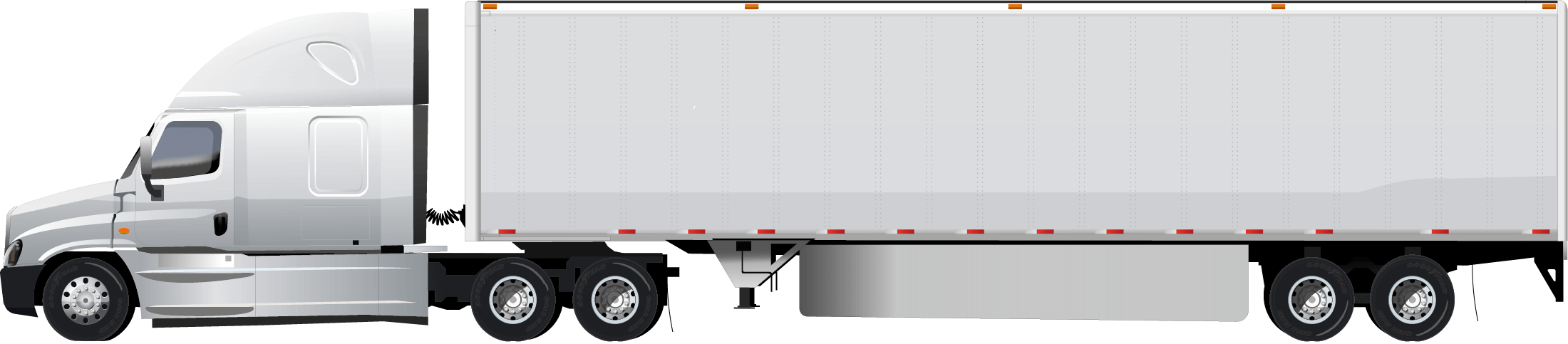
53 ft dry van
Expeditor Kevin
In short

Fleet or single load

A dedicated fleet is a contract; a dedicated truck can also be booked for one shipment.

Dedicated trucks What it means

Two meanings of a dedicated truck

From a manufacturer shipping to the same plants every week to a distributor with one urgent load, shippers use the phrase dedicated truck in two ways. The first is a dedicated fleet: trucks, trailers and drivers assigned to one shipper's lanes under a contract. The second is an exclusive-use truck booked for one shipment, which carries nothing else and runs direct from pickup to delivery.

This page is written for shippers deciding how to get trucks, not for drivers looking for dedicated jobs. Both arrangements give your freight a truck that is not shared, but they differ in commitment and cost.

FullTruckload.com books the second kind, an exclusive-use truck for each load across the US, Canada and Mexico, backed by 24/7 tracking and one point of contact. Every shipment is monitored from pickup to drop-off.


Aerial view of a truck driving on the road
Dedicated fleets How they work

How a dedicated fleet works

When you have freight moving on the same lanes every week, a dedicated fleet gives you trucks and drivers that work only for you. The provider supplies the tractors, trailers and drivers and handles maintenance, insurance and compliance. You commit the lanes, the schedule and a level of volume.

The trucks then run on your timetable, much like a company fleet, and the drivers learn your docks, customers and routines. Costs usually combine a fixed charge for the reserved trucks with costs that rise and fall with miles and fuel. You pay for the trucks whether or not every one is full that week.

It's also the closest thing to owning a fleet without buying one, so it suits companies that want control of the schedule. FullTruckload.com books single dedicated trucks for loads that fall outside a fleet like this.

Ways to get trucks

Truck capacity options ranked by flexibility

This ranking runs from the most flexible way to get a truck to the most committed, for a shipper with full loads to move. FullTruckload.com books the first option; re-sort by commitment, rate stability or capital needed.

Sort by
  1. Best for irregular or urgent loads

    Dedicated truck per load

    A broker books an exclusive-use truck for one shipment, and it runs direct to delivery. You commit to nothing beyond the load in front of you.

    GoodNo contract, truck only for you WatchRate set by the market that day
    One load
    commitment
    Per load
    rate stability
    $$$$$
    capital needed
  2. Best for flexible one-off loads

    Spot truckload

    A carrier with an open truck takes a single load at the current market rate. It works well when trucks are plentiful and dates are flexible.

    GoodNo commitment at all WatchRates swing with capacity
    One load
    commitment
    Low
    rate stability
    $$$$$
    capital needed
  3. Best for regular lanes

    Contract carrier rates

    A carrier agrees rates on set lanes for a period, usually a year. Trucks are not reserved, so loads can still be turned down when capacity is tight.

    GoodPredictable rates on known lanes WatchLoads can still be rejected
    Annual rates
    commitment
    Moderate
    rate stability
    $$$$$
    capital needed
  4. Best for steady weekly volume

    Dedicated contract carriage

    A provider assigns trucks and drivers to your lanes under a multi-year agreement. You get reserved capacity and pay for it in slow weeks too.

    GoodReserved trucks and drivers WatchMulti-year commitment and minimums
    Multi-year
    commitment
    High
    rate stability
    $$$$$
    capital needed
  5. Best for constant high volume

    Private fleet

    Your company owns or leases the trucks and employs the drivers. You control everything and carry every cost and risk yourself.

    GoodFull control of the schedule WatchCapital, drivers and compliance
    Ownership
    commitment
    Highest
    rate stability
    $$$$$
    capital needed
Expeditor at his desk tracking a shipment
Compare options Truck capacity

Dedicated fleet, private fleet or contract

While a private fleet gives you the most control, a dedicated fleet is often the better fit for shippers who want reserved trucks without owning them. A private fleet means buying or leasing trucks, hiring drivers and managing compliance yourself. A dedicated fleet hands those jobs to a provider, while the trucks still run your lanes.

A contract carrier commits rates on your lanes but does not reserve trucks, so tendered loads can be refused when capacity tightens. Spot loads carry no commitment at all, but the rate follows the market on the day you book.

For steady, predictable freight, the provider-run fleet provides a balance of control and cost that ownership can't match. This makes a dedicated fleet a practical alternative to a private fleet. FullTruckload.com covers the loads that fall between those commitments.

Capacity by the numbers

Truck capacity by the numbers

$2.336

average cost per mile to operate a truck in 20251

What it means for you

A truck carries real running costs every mile, whether it is a fleet truck or one booked for a single load. That is why paying for reserved trucks only makes sense with steady freight, and why FullTruckload.com books a truck per load when volume changes.

44.2%

truck driver turnover rate in 2025, down from 48%2

High driver turnover makes it hard for any fleet to keep trucks staffed, which is part of what a dedicated provider manages.

39.3%

of truck stops involved driver detention in 20233

Waiting at docks eats into a truck's day, so clear schedules matter on both fleet and per-load moves.

73%

of US freight value moved by truck in 20244

Most freight value moves by truck, so how you secure trucks shapes how reliably your goods move.

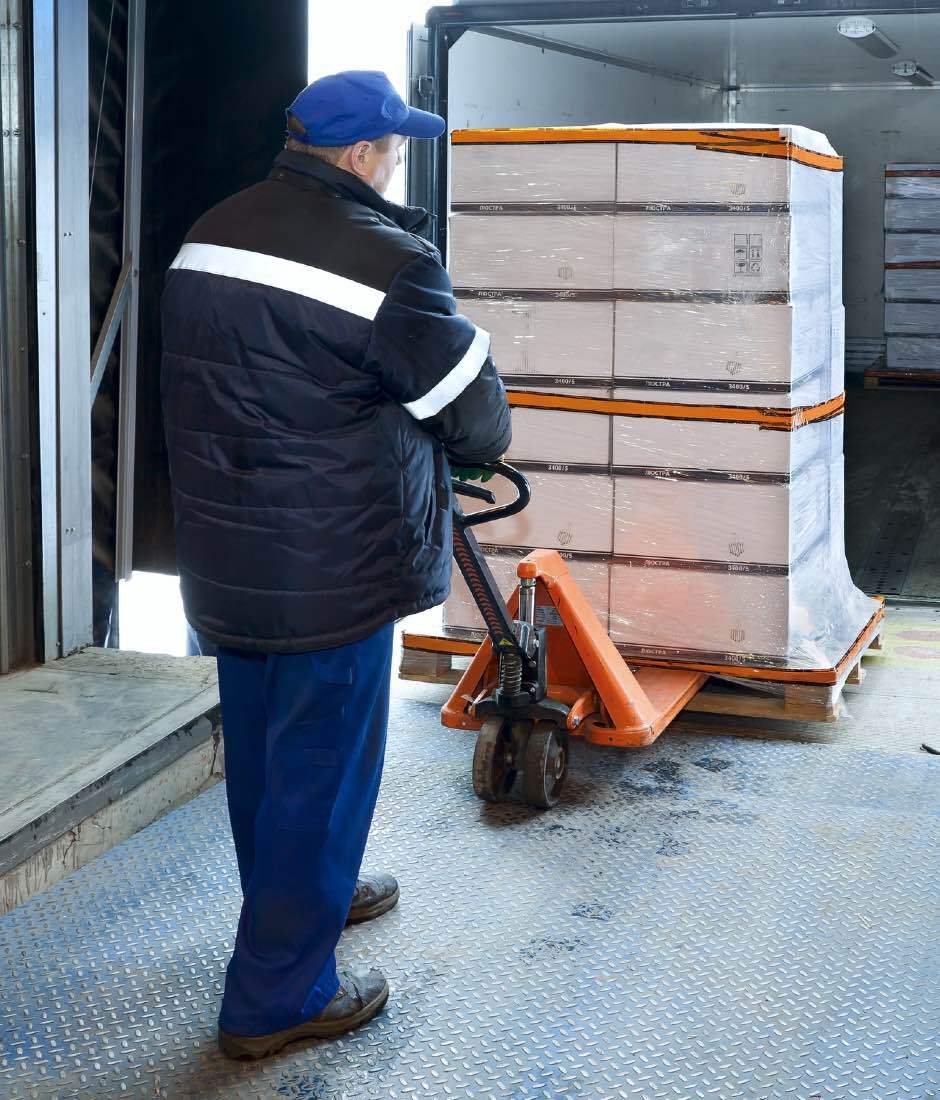
Worker loading a truck
Rule of thumb

Steady lanes, steady fleet

A dedicated fleet pays off when the same lanes keep its trucks busy every week.

Fit check Dedicated fleets

When a dedicated fleet makes sense

When your freight moves on the same lanes every week at a steady volume, a dedicated fleet provides reserved trucks and drivers who know your operation. It also suits tight delivery windows, customers with high service expectations and peaks you can plan for.

The downsides are real. Contracts usually run for several years and set minimum volumes, so you keep paying for trucks in slow weeks. Rates are agreed up front and may not follow the market when it softens. A dedicated fleet is not typically the right answer for freight that changes week to week, but it's ideal for predictable lanes.

When your volume is irregular or seasonal, we support your shipping with exclusive-use trucks booked one load at a time. FullTruckload.com can also cover surges that a dedicated fleet cannot absorb.

5.0 from 1,600+ reviews on

No fleet needed for this load? Get a dedicated truck quote.

Tell us the freight, the lanes and the dates. Your contact books a truck for your load only and keeps you updated from pickup to delivery.

  • John Mark was a pleasure to work with and kept me updated on the driver's progress as it was an urgent and timely delivery we needed 11 hours away.

    Kenneth
  • At 5pm the I Sent info for our equipment to be moved the next day and Todd made it happen. Had a truck that morning and delivered that night 500 miles away! Thanks for the excellent work

    Michelle

Request a Quote

Step 1 of 3Origin and Destination Info

Expeditor Andy
The upshot

Control without commitment

A truck booked only for your load gives you a dedicated truck without a contract.

Per-load trucks Dedicated trucks

A dedicated truck without the contract

FullTruckload.com specializes in dedicated trucks that run one load from pickup to delivery with no shared freight or transfers. It suits irregular, seasonal, low-volume and urgent shipments that would never justify a fleet contract. It also covers the surges a dedicated fleet cannot handle.

You choose the equipment the load needs, from a Sprinter van or box truck to a straight truck, hot shot, 53 ft dry van or flatbed. The truck is booked for that shipment and released when it delivers, so you never pay for idle trucks.

This per-load approach removes the long commitment, which reduces cost risk and cuts the chance of paying for trucks you do not use. Your load stays with one truck and one contact from pickup to delivery.

Freight News
Truckload rates

Truckload rates are resetting sharply higher

Spot and contract truckload rates both rose this fall, and many shippers were caught without a plan for securing trucks.

Truck driving on the open road
At a glance · November 2026
41%
rise in spot truckload rates year over year
10% to 12%
higher reset in contract rates

What is happening

According to FreightWaves, spot truckload rates rose 41% year over year through October, while contract rates reset 10% to 12% higher.

Source: FreightWaves, November 3, 2026

Why it is happening

Diesel prices have climbed faster than all-in spot rates for about six months, squeezing the carriers that depend on spot freight.

What it means for you

How you secure trucks matters more now. FullTruckload.com books a dedicated truck per load, so freight outside a contract still has a truck.

Trucks and trailers

The right truck for your freight

Hot shot truck5 / 6

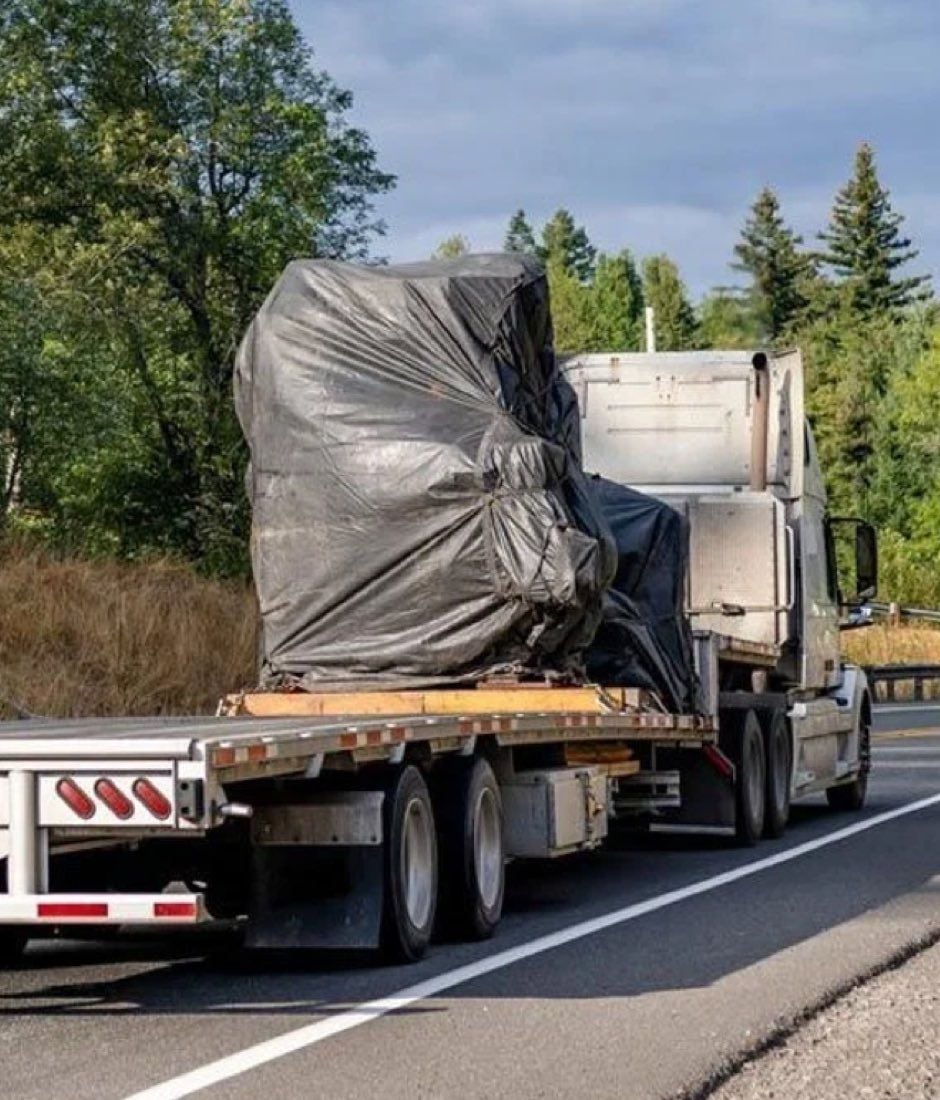
Hot shot truck side view
32–40 ft42,000 lbs
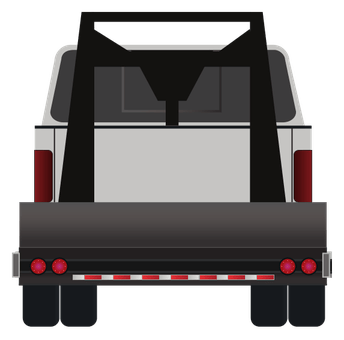
Hot shot truck rear view
102 inWide
120 inHigh
Deck length32–40 ft
Payload42,000 lbs
Deck width102 in
Load height120 in
Best for

Construction, oilfield and farm equipment, machinery

About hot shot trucks

A hot shot pairs a heavy-duty pickup with a gooseneck flatbed trailer. It is the fast choice for equipment and machinery that need an open deck but not a full semi. Ramps at the back let rolling equipment drive straight on.

Price a hot shot truck

Send the pickup, delivery and weight, and we'll match the truck to your load.

Talk to dispatch(800) 373-2480 Get a hot shot quote
Working with us

How FullTruckload.com books dedicated trucks

A dedicated truck is only as good as the person who books it, the truck that shows up and the updates along the way.

Expeditor Steve

“I had a single point of contact assigned to our shipment that was fantastic on keeping me updated every step of the way.”

Pamela · Trustpilot
HowWe Work

One Person, Start to Finish

When you call FullTruckload.com, you reach a real person right away, and that same person owns your load from the first call to final delivery. You never have to explain the shipment twice or chase a call center for an answer.

That contact books the dedicated truck, follows it from your dock to delivery and is the person you call for the next one.

  • A direct number for your expeditor
  • Updates at pickup and delivery
  • The same person on your next load
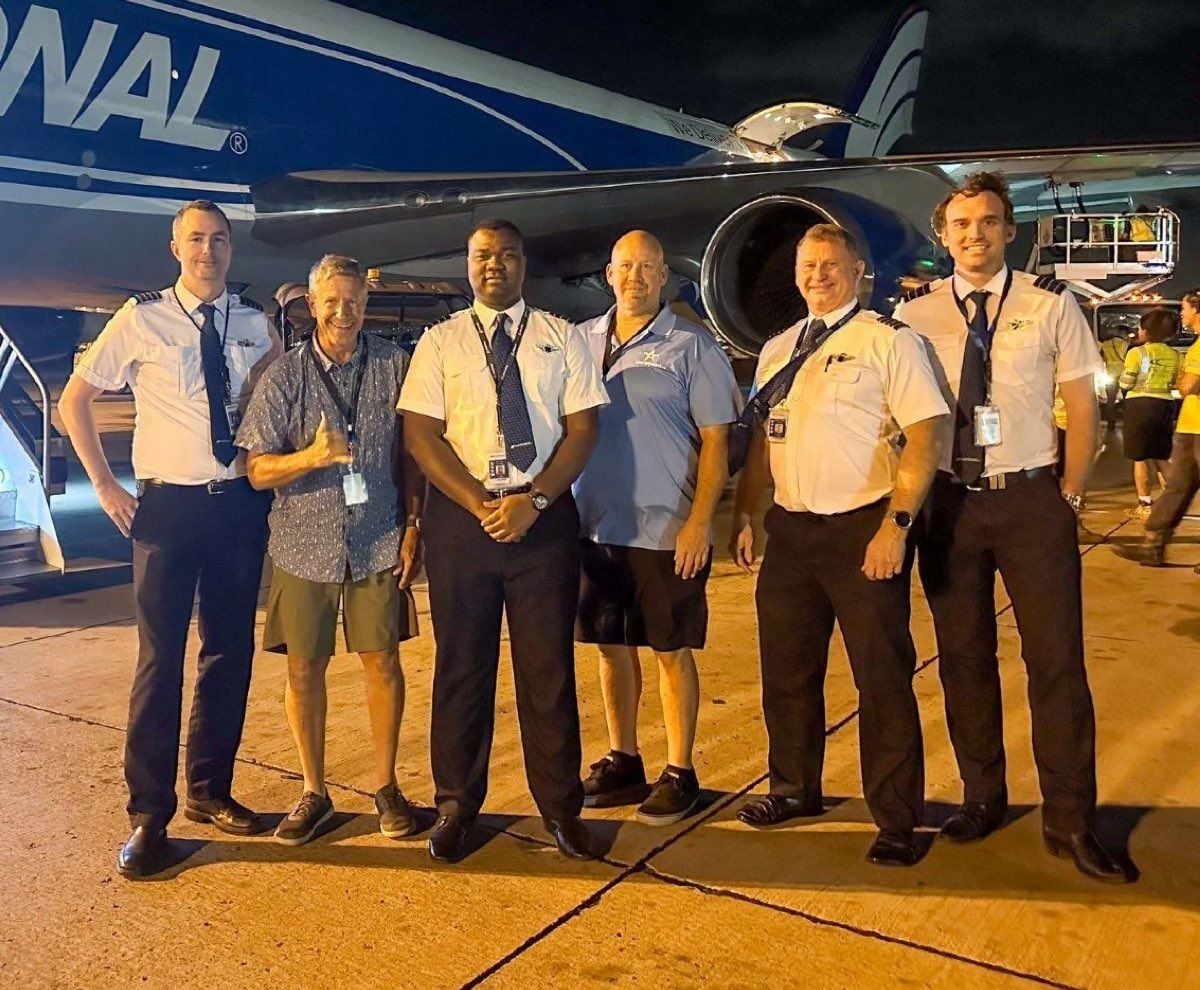
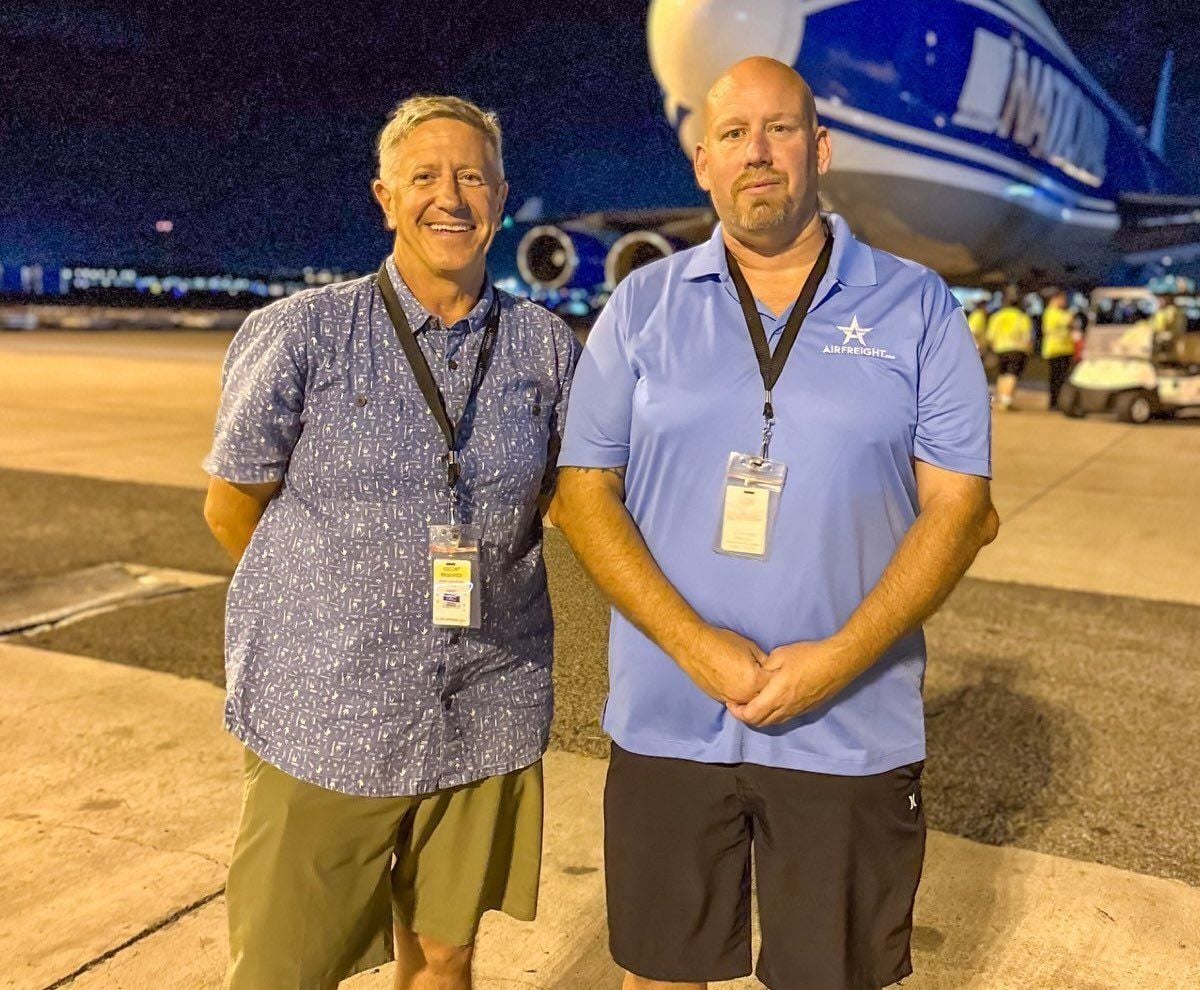
The expediting team at the airport

“I called up at 7:30 pm... one that was secured cancelled at the end of the day. Todd quoted three shipments on the spot... The last shipment was picked up at Midnight.”

Susan · Trustpilot
WhatWe Provide

The Right Truck for Each Load

Every load is different, and the right truck is the one that fits it. We arrange everything from Sprinter vans and box trucks to large straight trucks, hot shots, 53 ft dry vans and flatbeds, each reserved for your freight alone.

We match the truck to the load, so you never pay for space you do not need or end up short on the truck you do.

  • Each option weighed against your deadline
  • Exclusive-use trucks, no shared freight
  • Smaller trucks when a trailer is too much
Expeditor Chris at the airport

“True to word. They did exactly what they said they would do.”

Dan · Trustpilot
WhoWe Are

Honest With You, Always

Securing trucks in a tight market is stressful enough without wondering whether you have the full story. We give you the price before you commit, the timeline as it actually stands, and if something goes wrong, you hear it from us first.

That includes telling you when a smaller or slower option will still make your date.

  • Clear quotes before you commit
  • Real updates, including the bad news
  • We say when a smaller truck works

Dedicated Truck Questions Answered

What does dedicated truck mean?

A dedicated truck is a truck used only for one shipper's freight rather than shared with others. The term is used in two ways. In contract logistics it means a truck and driver assigned to one shipper's lanes for months or years as part of a dedicated fleet. In everyday shipping it can also mean an exclusive-use truck booked for a single shipment, which carries no other freight and drives directly from pickup to delivery. Both arrangements avoid transfers and shared space. They differ mainly in commitment: the fleet is a long-term contract, while the single-load truck is booked only when needed.

What is dedicated contract carriage?

Dedicated contract carriage, often called DCC, is a service in which a carrier provides trucks, trailers and drivers that work exclusively for one shipper under a multi-year contract. The equipment runs the shipper's routes on the shipper's schedule, and the carrier handles hiring, maintenance, insurance and regulatory compliance. Pricing typically combines fixed charges for the assigned equipment with variable costs tied to miles and fuel. Shippers use dedicated contract carriage to secure capacity and consistent service without owning a fleet. It works best with steady, predictable volume, because the shipper pays for the assigned trucks even in slower weeks.

How does a dedicated fleet differ from a private fleet?

A private fleet is owned or leased by the shipper itself, which hires the drivers, maintains the trucks and is responsible for safety and compliance. A dedicated fleet gives the shipper similar exclusive use of trucks and drivers, but a carrier owns the equipment and employs the drivers under a contract. The shipper keeps control of the schedule without tying up capital in trucks or managing a transportation department. Private fleets offer the most control and can make sense at very high, constant volumes. Dedicated fleets shift much of the risk and administration to the provider in exchange for a contracted cost.

What is spot market capacity?

Spot market capacity is truck capacity bought one load at a time at the current market rate, without a contract. A shipper or broker posts or tenders a load, and a carrier with an available truck agrees to haul it at a price set for that shipment. Spot rates rise when trucks are scarce and fall when there is more capacity than freight. The spot market gives shippers flexibility for irregular loads, surges and lanes they rarely use. Its drawback is unpredictability: both the price and the availability of a truck can change quickly from week to week.

What is a contract carrier?

A contract carrier hauls freight for specific shippers under agreements that set lanes, expected volumes, service levels and rates for a fixed period, often a year. The shipper tenders loads at the agreed rates, and the carrier plans its trucks around that freight. Unlike a dedicated fleet, a contract carrier does not assign specific trucks exclusively to the shipper, so it can decline a tendered load when its capacity is tight. Contract rates provide more price stability than spot loads. Many shippers combine contract carriers for regular lanes with spot or per-load bookings for everything else.

What is an exclusive-use truck?

An exclusive-use truck is a truck reserved for one shipper's load for the entire trip. No other freight is added, even if the trailer has room left, and the truck travels directly from pickup to delivery. Shippers request exclusive use when freight is valuable, fragile, urgent or must not be handled again after loading. It is also common for loads that take up only part of a trailer but cannot wait to be combined with other shipments. Because the shipper is paying for the whole truck, exclusive use usually costs more than shared space but gives more control and speed.

What is a freight lane?

A freight lane is a route between an origin and a destination that a shipment travels, such as from one city or region to another. Shippers and carriers describe their freight by lanes because volume, rates and truck availability vary by route. A lane with steady, balanced freight in both directions tends to be easier and cheaper to cover than one where trucks often return empty. Dedicated fleets and contract rates are usually built around specific lanes. When a shipper moves freight on many different lanes or changes them often, per-load booking typically fits better than lane-based contracts.

What is surge capacity in trucking?

Surge capacity is the ability to add trucks above a shipper's normal volume for a period, such as a seasonal peak, a promotion, a plant shutdown recovery or an unexpected spike in orders. Dedicated fleet contracts often include provisions for some surge capacity, but the extra trucks may be limited or priced differently. When volume rises beyond what a fleet or contract carrier can cover, shippers turn to the spot market or book additional trucks one load at a time. Planning surge capacity ahead of known peaks helps avoid rejected loads and delays when trucks are scarce.

What is a fuel adjustment in a trucking contract?

A fuel adjustment is a clause in a trucking contract that changes the amount paid for transportation as diesel prices rise or fall. Instead of fixing one rate that has to cover every possible fuel price, the contract links part of the cost to a published fuel price index and a baseline. When diesel climbs above the baseline, the shipper pays more; when it falls, the shipper pays less. Fuel adjustments protect carriers from fuel spikes and keep base rates more stable. Shippers should understand the index, the baseline and how often the adjustment is updated.

What does direct drive mean in trucking?

Direct drive means a truck travels straight from the pickup location to the delivery location without stopping at terminals, cross-docks or other customers' sites. The freight stays on the same truck the whole way and is handled only at loading and unloading. Direct drive is standard for full truckloads and for exclusive-use trucks booked for one shipment. It reduces handling, lowers the risk of damage or loss and makes transit easier to predict and track. Shared routes, by contrast, combine many shipments and make several stops, which adds time and handling along the way.

Get a quote

Need a truck for this load? Book a dedicated truck now

Enter your pickup, delivery and date. We book a truck for your load only and keep you updated until delivery.

5.0 from 1,600+ reviews on

Request a Quote

Step 1 of 3Origin and Destination Info

Worked with Kevin Carpenter. He was able to provide us a dedicated truck on short notice for a good rate. I have Kevin's email saved for the next time I need a truck.

Corey · Verified review on Trustpilot
CTA Hero Star Background
TOP