


Retail And Consumer Goods Distribution
Retailers stocking store shelves and distribution centers need consistent, high-volume shipments. A 53ft dry van carries full pallet loads of packaged goods, apparel, and household products in one trip. When a regional warehouse in Ohio restocks stores across three states, the enclosed trailer keeps inventory dry and secure through every mile. FullTruckload.com matches these shipments with the right capacity, so retailers keep shelves full and avoid the empty gaps that cost sales during peak buying seasons.
Manufacturing Raw Materials And Components
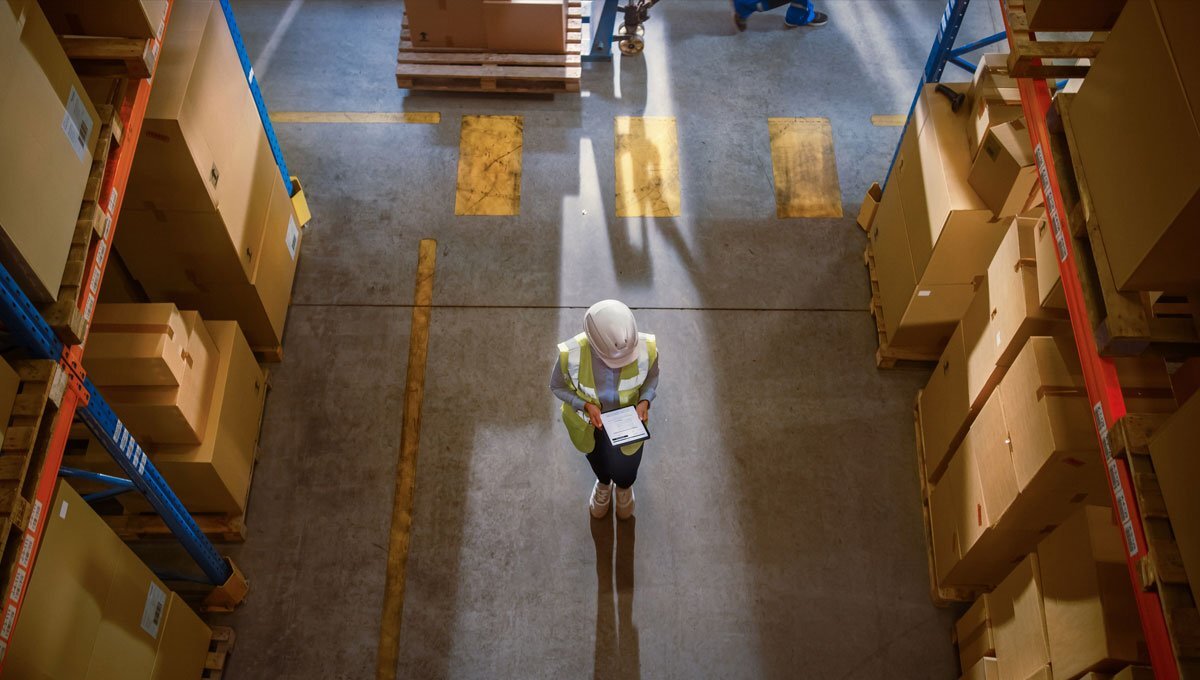
Manufacturers depend on steady inbound freight to keep production lines running. A 53 dry van hauls raw materials, packaged components, and finished parts between plants and suppliers. A furniture producer receiving crates of hardware and fabric needs those inputs protected from rain and road grime. The 53' dry van shields sensitive components while carrying enough volume to supply days of production. FullTruckload.com coordinates dedicated capacity so factories receive materials on schedule and avoid costly line stoppages.

Food And Packaged Beverage Loads
Shelf-stable food and packaged beverages move in high volume across long distances. A 53 ft dry van carries canned goods, bottled drinks, dry ingredients, and packaged snacks without the cost of refrigeration. A beverage bottler shipping pallets of product to distributors several states away needs an enclosed trailer that maximizes pallet count per load. FullTruckload.com sources reliable van capacity for food and beverage shippers, keeping product moving from production facilities to distribution points on predictable timelines.
E-Commerce Fulfillment And Distribution
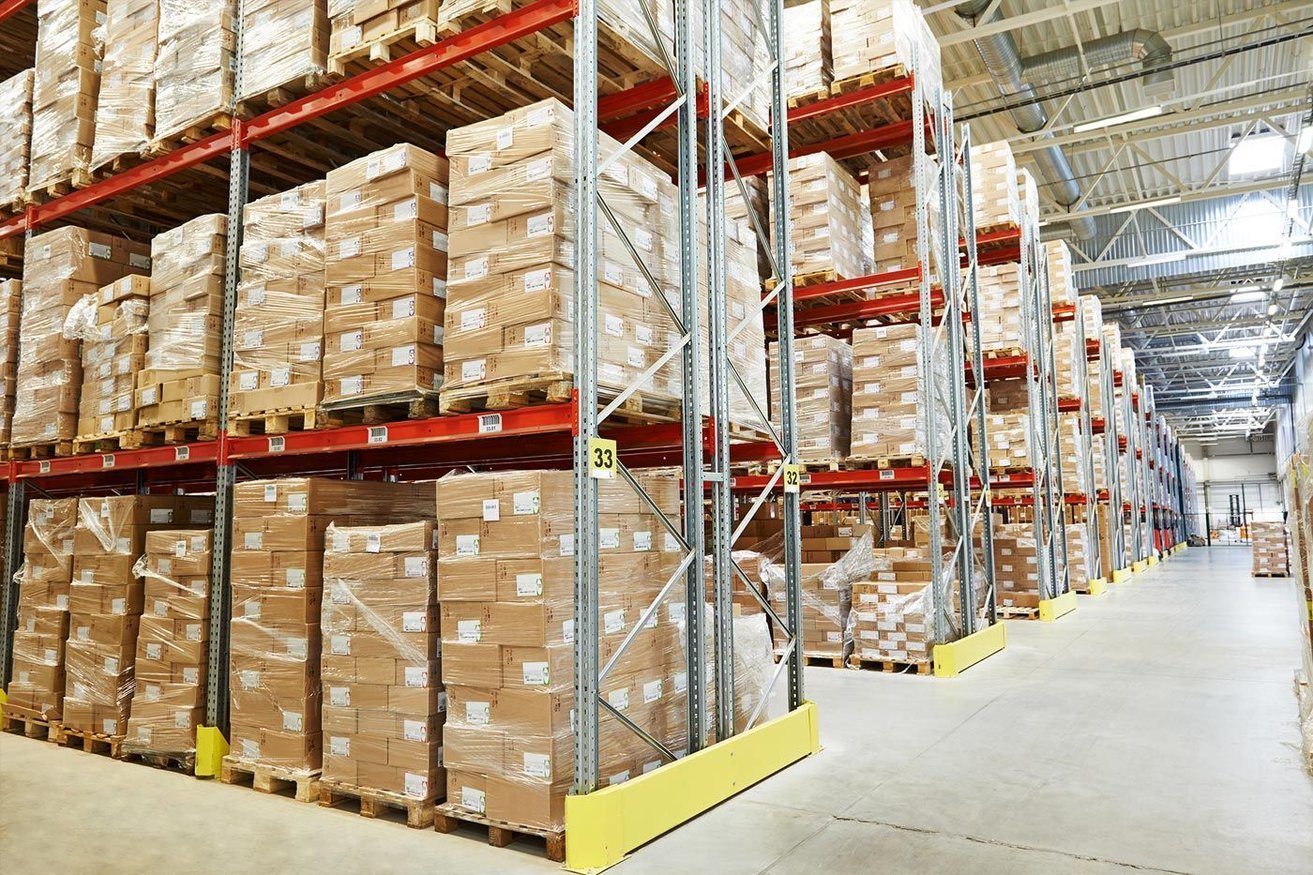
Online retailers depend on reliable truckload capacity to replenish fulfillment centers and move inventory between regional distribution hubs. A 53-foot dry van provides the enclosed space needed to transport large quantities of boxed merchandise, electronics, apparel, and consumer products while protecting shipments throughout transit. FullTruckload.com connects shippers with dependable dry van carriers that help e-commerce operations maintain inventory levels and meet growing customer demand.
Building Materials And Home Improvement Products
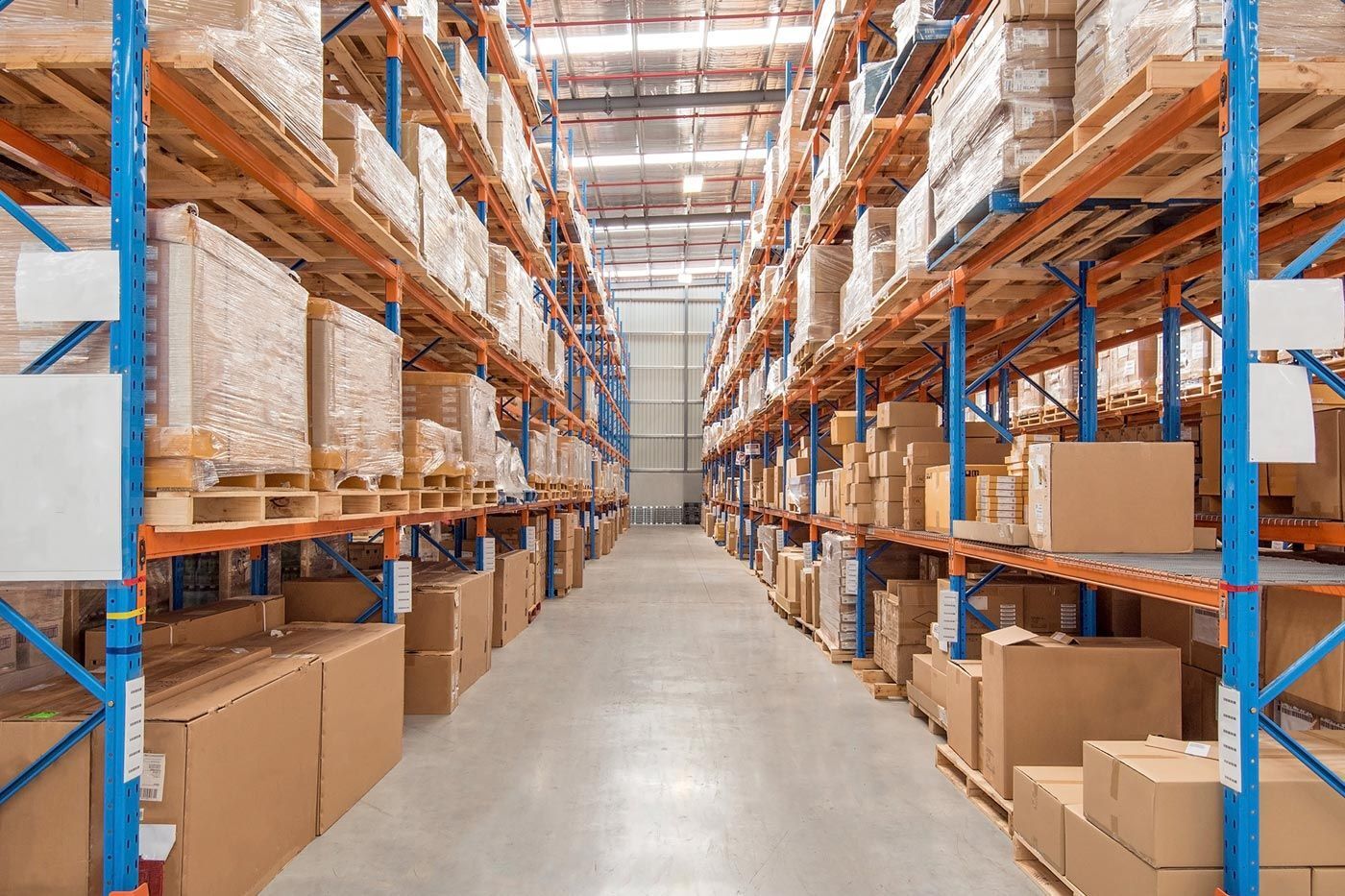
Many building products travel safely in a dry van as long as they remain palletized and protected from moisture. Flooring, cabinets, lighting fixtures, plumbing supplies, electrical materials, paint, hardware, and boxed home improvement products are commonly shipped in enclosed trailers to wholesalers, retailers, and construction suppliers. The large cargo capacity of a 53-foot dry van allows suppliers to consolidate multiple product lines into a single shipment, reducing transportation costs while keeping materials clean and secure.

Paper Products And Packaging Supplies
Paper mills, commercial printers, and packaging manufacturers rely on dry vans to transport products that must remain dry throughout the journey. Copy paper, cardboard cartons, paper towels, tissue products, printed materials, labels, and packaging supplies are all well suited for enclosed trailers. FullTruckload.com helps businesses secure dependable dry van capacity that protects moisture-sensitive paper products while delivering the volume needed to support warehouses, manufacturers, and distribution centers across North America.
Why Businesses Choose the 53 Dry Van
- Maximum Load Capacity
- Cargo Protection And Security
- Wide Network Availability
- Predictable Transit And Cost
- Flexible For Nearly Every Industry
- Lower Risk Of Freight Damage
- Efficient Dock Loading And Unloading
- Dedicated Capacity For High-Volume Shipping

Maximum Load Capacity
The 53 dry van holds up to 26 standard pallets and roughly 45,000 pounds of freight. That capacity lets businesses consolidate shipments into single loads, cutting the number of trucks needed. Fewer trips mean lower per-unit shipping costs, and shippers moving high volume see the difference reflected directly in their freight budgets.

Cargo Protection And Security
Enclosed walls and a locking rear door keep freight safe from rain, snow, sun, and theft. This protection matters for packaged goods, electronics, and any product sensitive to moisture or damage. A 53' dry van gives businesses confidence that cargo arrives in the same condition it left the dock, reducing claims and replacement costs.

Wide Network Availability
The 53ft dry van is the most common trailer on the road, which means abundant capacity across the country. FullTruckload.com taps this large carrier pool to cover lanes quickly, even during tight markets. Businesses gain access to available trucks when they need them, avoiding the delays that come from scarce equipment.

Predictable Transit And Cost
Standardized dimensions and widespread availability make the 53 ft dry van easy to plan around. Shippers get consistent transit times and stable pricing across regular lanes. With FullTruckload.com managing capacity, businesses build reliable schedules and hold delivery commitments to their own customers without the surprises that disrupt supply chains. Explore 53 ft dry vans to plan your next shipment.

Flexible For Nearly Every Industry
From retail and manufacturing to consumer packaged goods, automotive, paper products, and e-commerce, the 53-foot dry van serves a wide range of industries with a single trailer type. Its enclosed design accommodates most palletized, boxed, and packaged freight without requiring specialized equipment. Businesses benefit from using one of the most versatile trailers on the road, simplifying transportation planning across multiple product lines.

Lower Risk Of Freight Damage
Every time freight is transferred between trailers or exposed to the elements, the risk of damage increases. A dedicated 53-foot dry van keeps cargo enclosed from pickup through delivery, reducing handling and protecting products from weather, road debris, and shifting conditions during transit. Fewer damage claims translate into lower replacement costs and improved customer satisfaction.

Efficient Dock Loading And Unloading
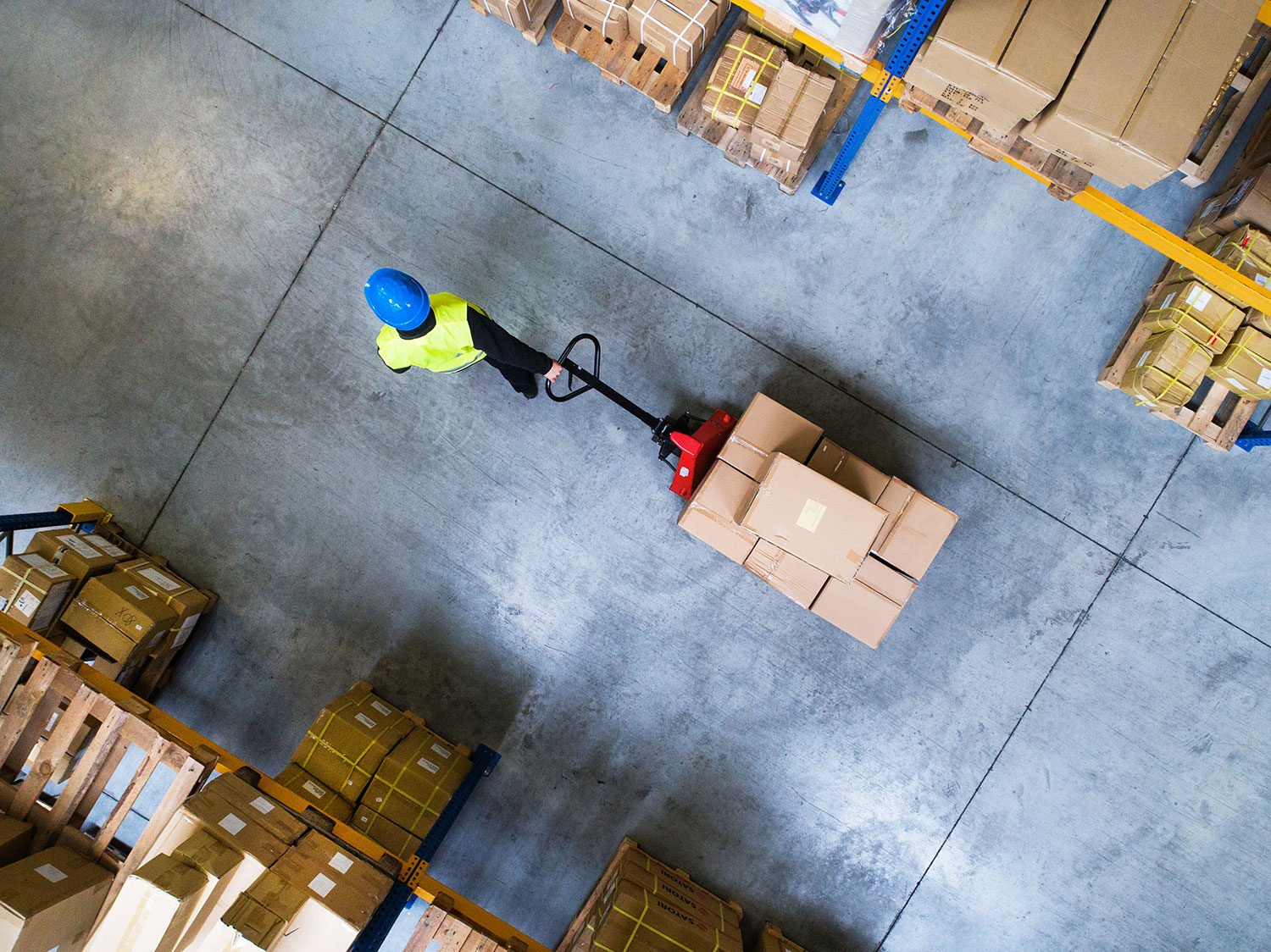
Most warehouses, manufacturing facilities, and distribution centers are designed around standard 53-foot dry van dimensions. Dock-high loading allows forklifts to quickly move palletized freight in and out of the trailer, reducing loading times and improving warehouse productivity. Because the equipment is standardized, businesses can move freight through their facilities more efficiently without requiring specialized loading procedures.

Dedicated Capacity For High-Volume Shipping
Businesses with recurring truckload shipments often benefit from dedicated dry van capacity on their primary lanes. Rather than searching for available equipment with every shipment, they can secure reliable carrier coverage that supports consistent pickup schedules and dependable transit times. FullTruckload.com helps shippers establish long-term transportation solutions that improve service levels while creating greater predictability across their supply chains.