
Skip to content

Michigan Trucking Companies and the Auto Industry: How Just-in-Time Manufacturing Keeps Expedite Alive

Michigan trucking companies did not become the historic home of expedited freight by accident. The auto industry built its assembly plants across Detroit and the surrounding region, and those plants run on a production model that leaves almost no room for delay. A single missing part can idle an entire assembly line, and idle lines cost automakers tens of thousands of dollars per minute. That pressure created a specialized freight network unlike anything else in the country.

The result was a fleet of straight trucks and dedicated expedite carriers born in and around Detroit, ready to move critical parts on short notice at any hour. Decades later, that infrastructure still defines how urgent freight moves nationwide. Understanding why Michigan holds this position helps supply chain professionals see how modern expedite works and why capacity in this region matters when production schedules are on the line. This is the story of how just-in-time manufacturing keeps expedite alive.

WHY MICHIGAN STILL DRIVES THE EXPEDITE INDUSTRY

Michigan sits at the center of North American automotive production, and that concentration created demand for fast, reliable freight movement that continues today. Just-in-time manufacturing removed the safety net of large parts inventories, meaning plants depend on carriers who can move a load within hours. Expedited services protect production schedules, prevent costly line-down events, and keep suppliers connected to assembly plants. For logistics managers who serve automotive clients, understanding this network gives them access to responsive capacity when standard shipping timelines are simply not fast enough.

Learn More

TALK TO AN EXPEDITOR NOW

Get a Quote in Minutes for Your Time-Critical Freight Needs

Line-Down Auto Parts Recovery

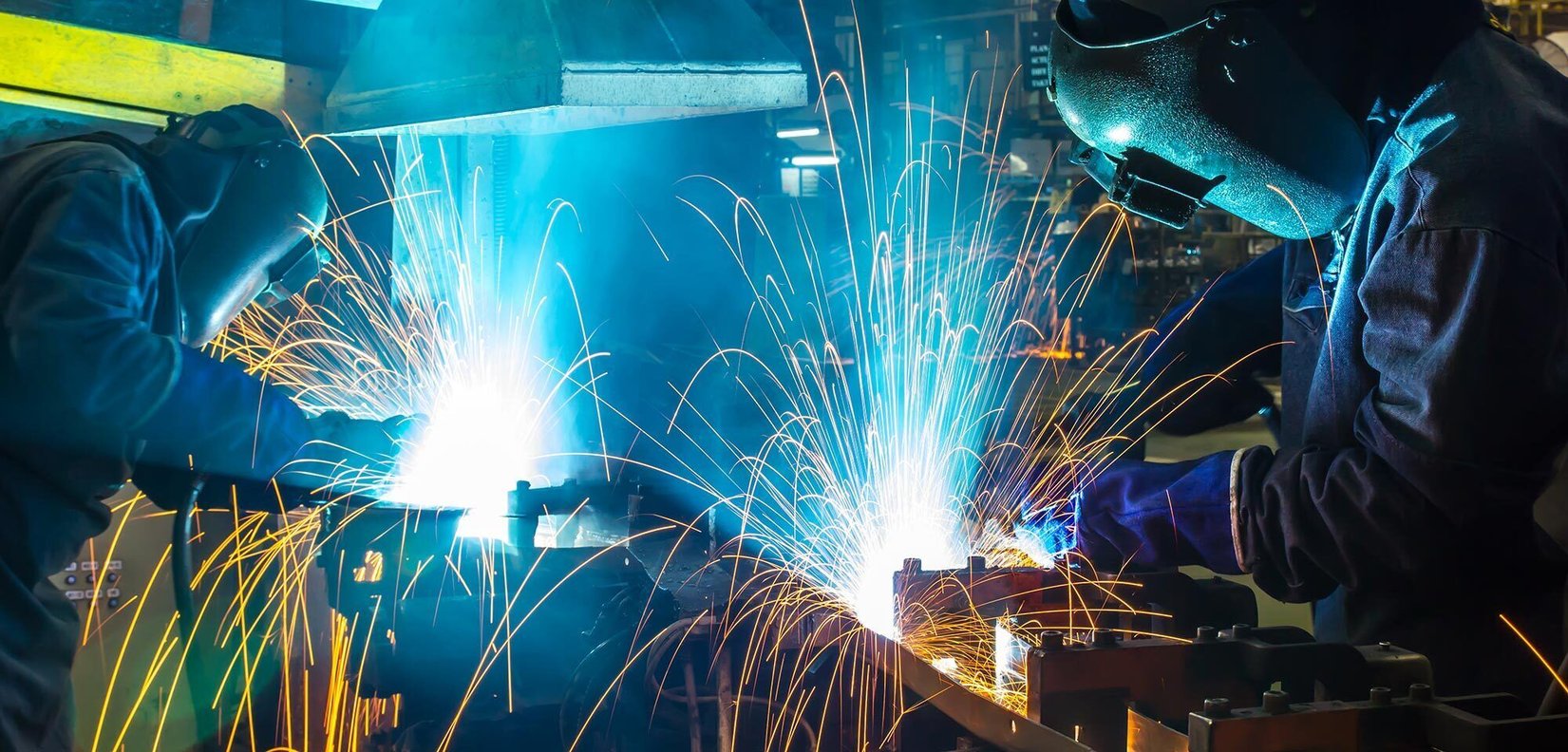
When an assembly line runs short on a single component, every minute of stopped production costs thousands of dollars. A stamping plant in Warren might discover it lacks brackets for the afternoon build. Expedited services move the missing parts directly from the supplier to the receiving dock without stopping at a hub. Michigan trucking companies built their reputation on this exact call, dispatching a straight truck within the hour to keep the line moving and protect production schedules.
Line-Down Auto Parts Recovery  
 When an assembly line runs short on a single component, every minute of stopped product

Tier-One Supplier Shipments

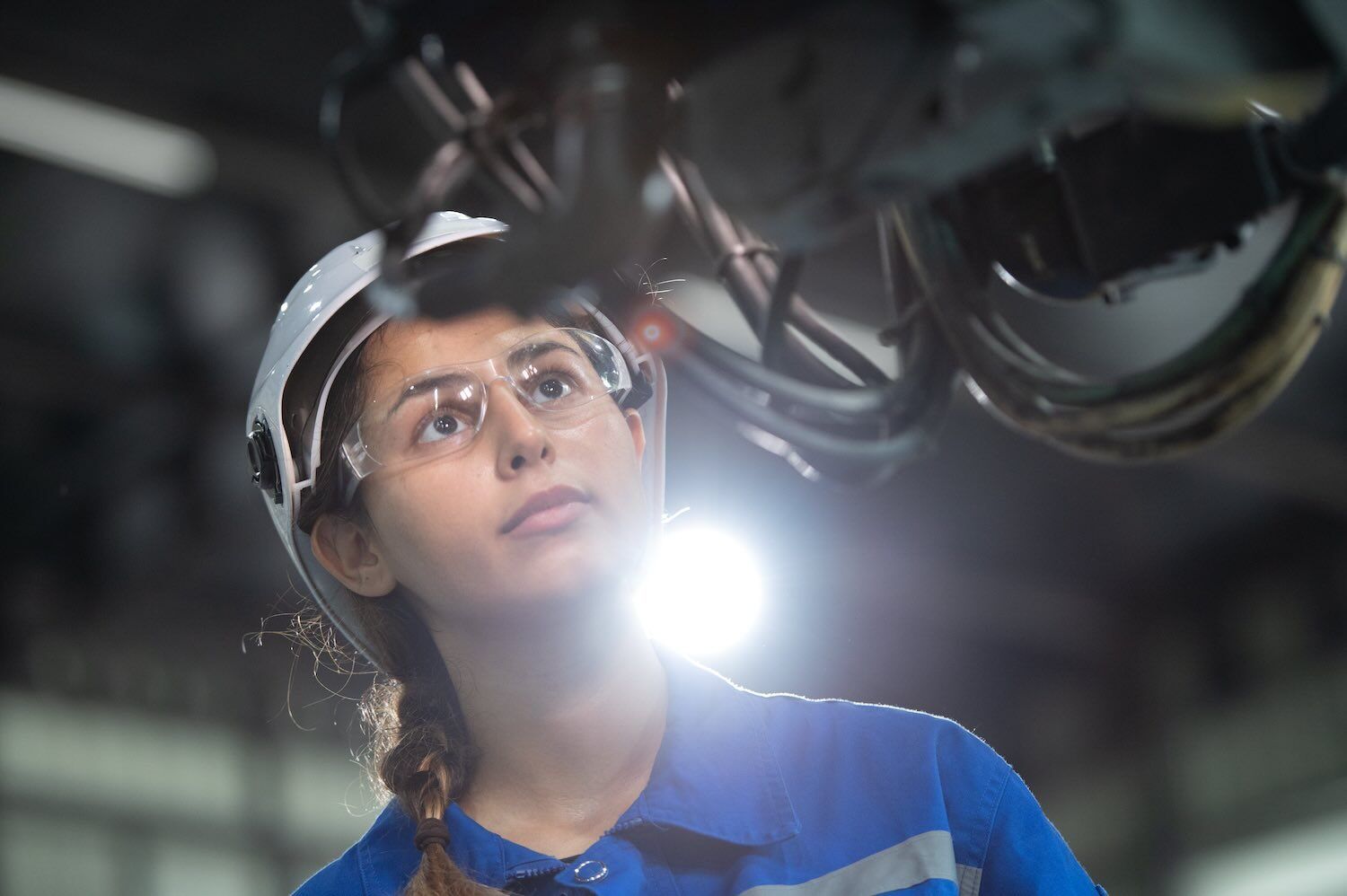
Tier-one suppliers feed multiple OEM plants across the Midwest, and their schedules leave no slack. A seat maker in Grand Rapids may need to send finished assemblies to a plant in Ohio the same day they come off the line. Straight trucks handle these mid-sized loads well, carrying enough volume for a full shift without the cost of a tractor trailer. Dedicated runs between supplier and plant keep sequencing intact and prevent gaps at the point of installation.
Tier-One Supplier Shipments 
 Tier-one suppliers feed multiple OEM plants across the Midwest, and their schedules leave

Full Truckload Production Runs

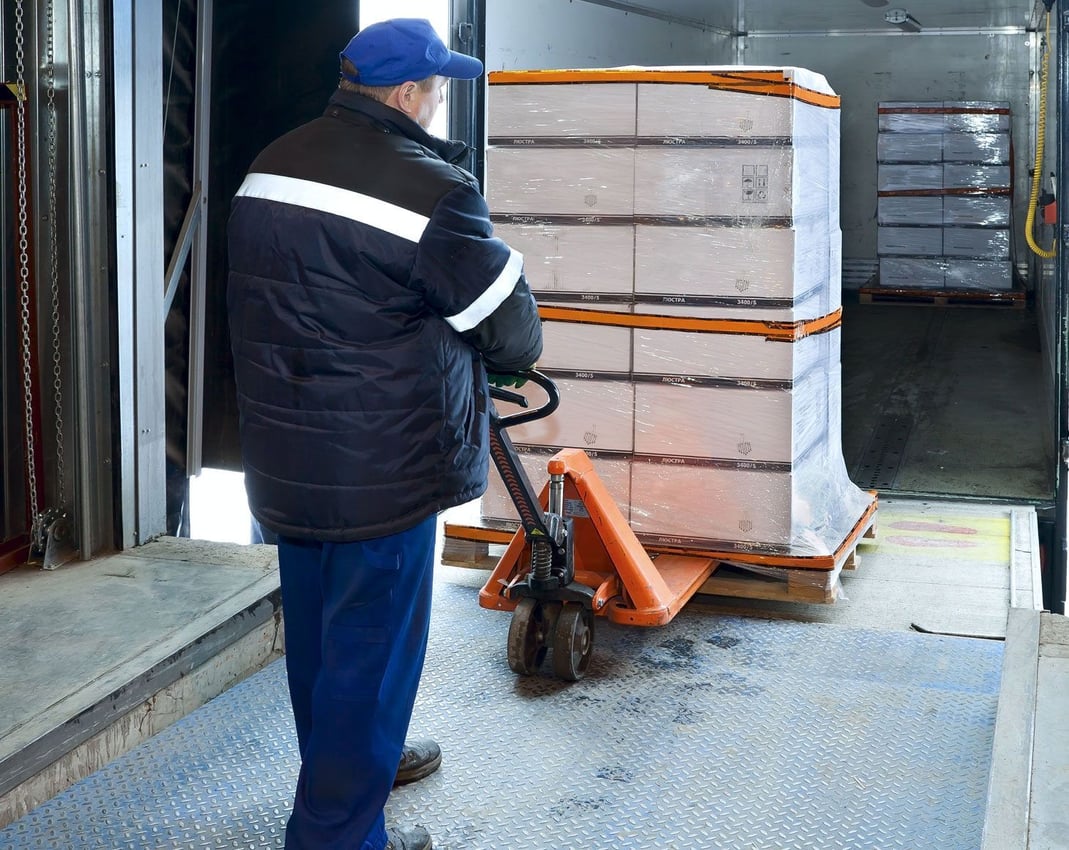
Not every automotive shipment is a small emergency. High-volume components like body panels, wiring harnesses, and engine blocks move by the trailer load between plants. Full truckload carriers dedicate one trailer to a single shipper, so the freight travels straight through with no transfers or shared-load delays. FullTruckload.com coordinates these dedicated runs for Michigan manufacturers, matching capacity to production tempo and keeping large parts flowing on a predictable schedule the plant can plan around.
airport-on-ground

Tooling And Machinery Transfers

Plants retool constantly as models change and new programs launch. Moving dies, fixtures, and specialized machinery between facilities demands equipment sized for heavy, awkward loads. A tooling shop near Flint might need to deliver a stamping die to a plant preparing for a new vehicle launch. Expedited straight trucks and flatbeds handle these transfers with the timing the launch calendar requires, so installation crews are not left waiting on equipment that holds up an entire retooling window.
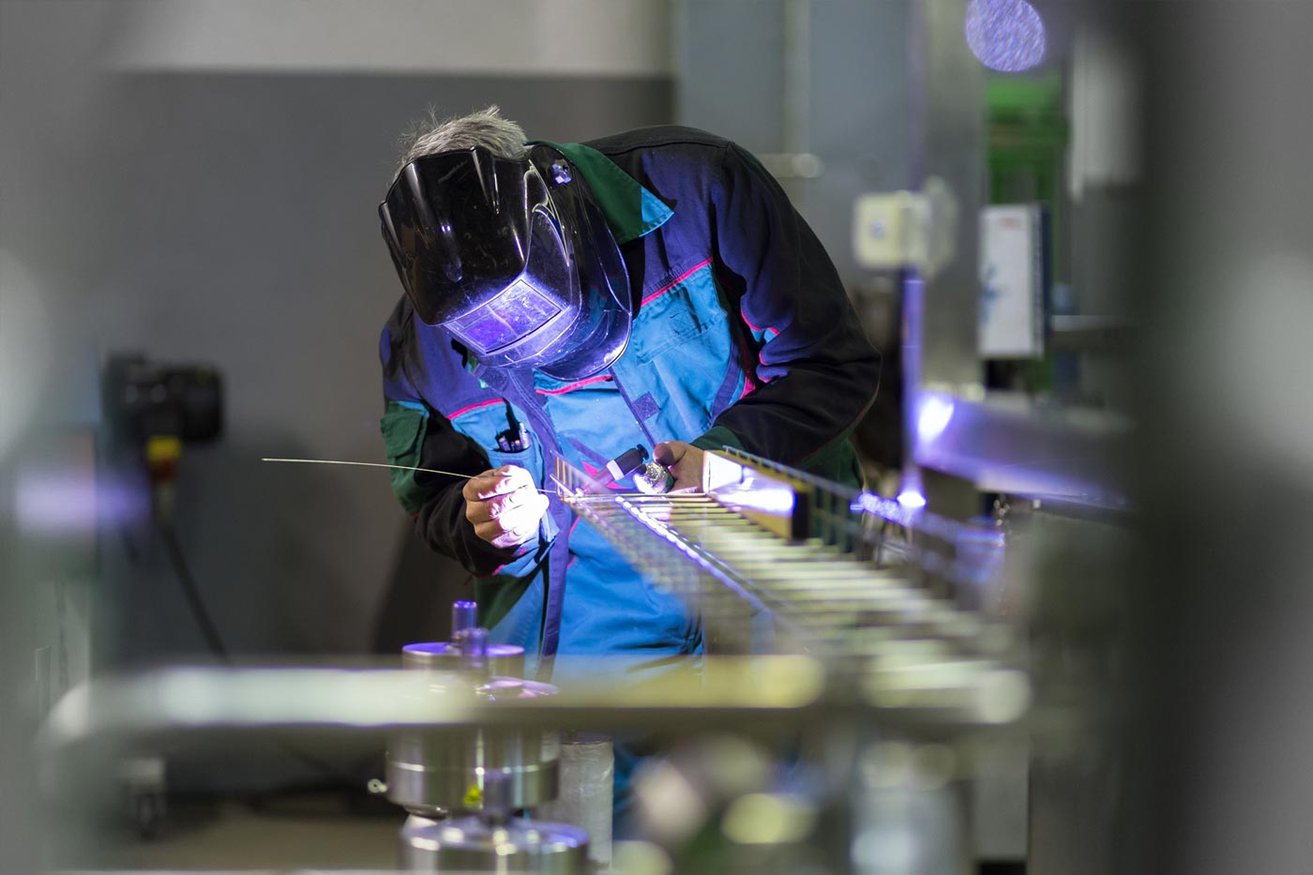
Tooling And Machinery Transfers 
 Plants retool constantly as models change and new programs launch. Moving dies, fixtur

Supply Chain Disruption Coverage

Weather, port backups, and supplier breakdowns all threaten just-in-time schedules that carry no buffer. When a regular carrier cancels or a border crossing slows, plants need an alternate ready that same day. Michigan trucking companies keep straight trucks and full truckload capacity on standby for exactly these moments. A quick dispatch reroutes freight around the problem and reaches the dock before the shortage stops the line, turning a potential shutdown into a minor delay.
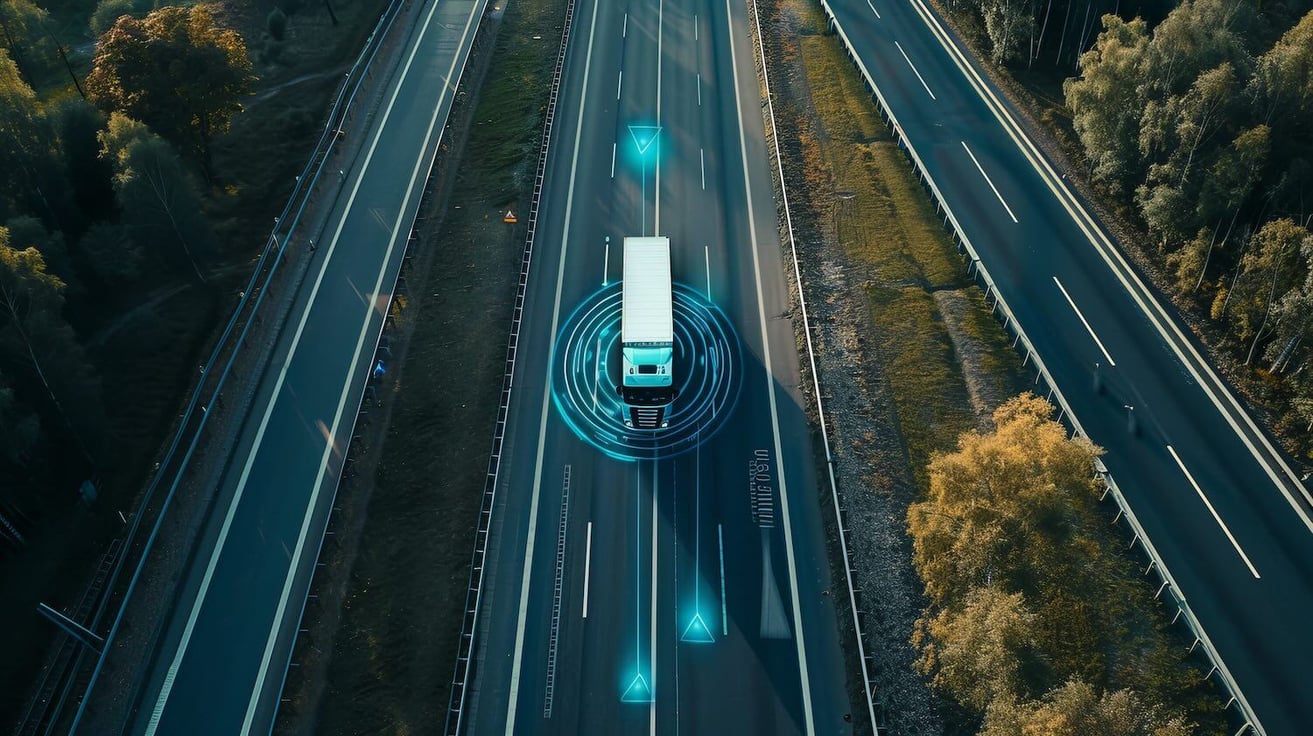
Supply Chain Disruption Coverage  
 Weather, port backups, and supplier breakdowns all threaten just-in-time schedules t
Expedited Shipping Solutions

Why Michigan Expedite Keeps The Auto Industry Moving

Michigan's expedite network exists because the auto industry cannot tolerate late parts. These advantages explain why manufacturers rely on dedicated straight trucks and full truckload carriers to protect production and control cost.
Fast Dispatch Response

Fast Dispatch Response

A stopped assembly line cannot wait for standard transit. Michigan expedite fleets dispatch within the hour, often reaching a plant across the state the same afternoon. That speed comes from drivers positioned near the auto corridor and a network built around the urgency of just-in-time production, so freight moves the moment a shortage appears.

Built For Auto Freight

Built For Auto Freight

Decades of hauling parts, dies, and assemblies gave Michigan carriers deep familiarity with plant docks, sequencing rules, and receiving windows. Drivers know how to protect delicate components and follow OEM procedures. This industry knowledge means fewer errors at the dock and freight that arrives ready to install, not ready to inspect.

delivery

Right-Sized Straight Trucks

Straight trucks fill the gap between a small van and a full tractor trailer. They carry enough volume for a production shift without the cost of a larger unit. For mid-sized auto shipments, this matching of vehicle to load keeps expedite affordable while still delivering the direct, non-stop service plants depend on.

Dedicated Truckload Capacity

Dedicated Truckload Capacity

For high-volume production parts, full truckload carriers assign one trailer to your freight alone. No transfers, no shared stops, no waiting on other shippers. FullTruckload.com secures this dedicated capacity for Michigan manufacturers, so large components travel straight through and arrive on the schedule the plant planned its build around.

Protecting Production Uptime

Protecting Production Uptime

A line-down event costs far more than any freight charge. Expedited delivery of a missing component pays for itself many times over by keeping the plant producing. Michigan carriers understand this math and price against the downtime they prevent, giving manufacturers a fast, reliable way to control their largest hidden expense.

Scalable Fleet Coverage

Scalable Fleet Coverage

Production demand swings with model launches, seasonal builds, and program changes. A network with straight trucks and full truckload capacity flexes with those swings. When volume spikes, more units go into service. When it settles, capacity scales back. Manufacturers get the coverage they need without paying for idle equipment.

Single Point Of Contact

Single Point Of Contact

When a line is down, you do not have time to chase updates. FullTruckload.com gives you one coordinator managing dispatch, tracking, and delivery from the first call to the dock. That single contact keeps communication clear, answers questions fast, and confirms the shipment reaches your plant exactly when your build schedule requires.

Frequently Asked Questions

Why is Michigan the historic home of expedited freight?

Michigan built the expedite industry because Detroit built the auto industry. When plants adopted just-in-time production, they needed parts delivered on tight windows to avoid line stoppages. That demand created a fleet of straight trucks ready to move on short notice.

Those early expedite carriers grew up serving assembly plants around Detroit, Flint, and Lansing. The model spread nationwide, but the roots and much of the driver base still trace back to Michigan's manufacturing core.

When should an auto supplier use expedited services?

Use expedited services when a delay would stop a production line or trigger penalties. Late parts, quality holds, engineering changes, and stockouts all create moments when standard transit is too slow and the cost of waiting far exceeds the freight rate.

Suppliers also lean on expedite during launches, model changeovers, and peak demand. Any time your normal delivery schedule cannot cover a gap, dedicated expedite capacity from FullTruckload.com keeps the plant supplied and running.

How fast can expedited freight launch and deliver?

Expedited freight can launch within an hour of booking when equipment is available nearby. Straight trucks and dedicated vehicles move point to point with no stops, so transit times reflect direct driving distance rather than terminal sorting or shared routing.

Dedicated equipment stays with your load the entire trip. That means a driver focused on one delivery, a truck that does not divert, and arrival times you can predict down to the receiving window your plant assigns.

What types of freight do Michigan trucking companies haul for the auto industry?

Auto freight covers stampings, seats, wiring harnesses, engine components, castings, painted panels, and finished assemblies. Suppliers also move production tooling, packaging materials, and returnable containers between plants and their supply base across the region.

Much of this freight needs special handling because it is high value or damage sensitive. FullTruckload.com matches each shipment to equipment that protects it and coordinates loading with your dock to keep parts clean and undamaged in transit.

What affects the cost of expedited or full truckload service?

Pricing depends on distance, equipment type, speed required, and current capacity in the lane. A straight truck expedite booked for immediate launch costs more than a planned full truckload, because you are paying for dedicated equipment and priority dispatch.

The value shows up when you weigh freight cost against a stopped line. A single hour of downtime at an assembly plant can cost far more than the premium for expedite, which is why suppliers treat it as insurance.

Does FullTruckload.com offer door-to-door service?

Yes. FullTruckload.com handles pickup at your dock and delivery straight to the receiving plant with no intermediate handling. Dedicated equipment means your freight loads once and unloads once, which reduces damage risk and keeps timing tight.

When speed demands it, we combine modes. Expedited ground covers regional runs, and air charter extends reach for long distance emergencies. Either way, we coordinate the full trip so your team manages one point of contact.

What distance can expedited ground cover, and when does air charter make sense?

Expedited ground handles regional and cross country runs efficiently, often reaching most of the Midwest and East Coast within a day or two of straight driving. For Michigan auto suppliers, ground covers the majority of plant to plant lanes.

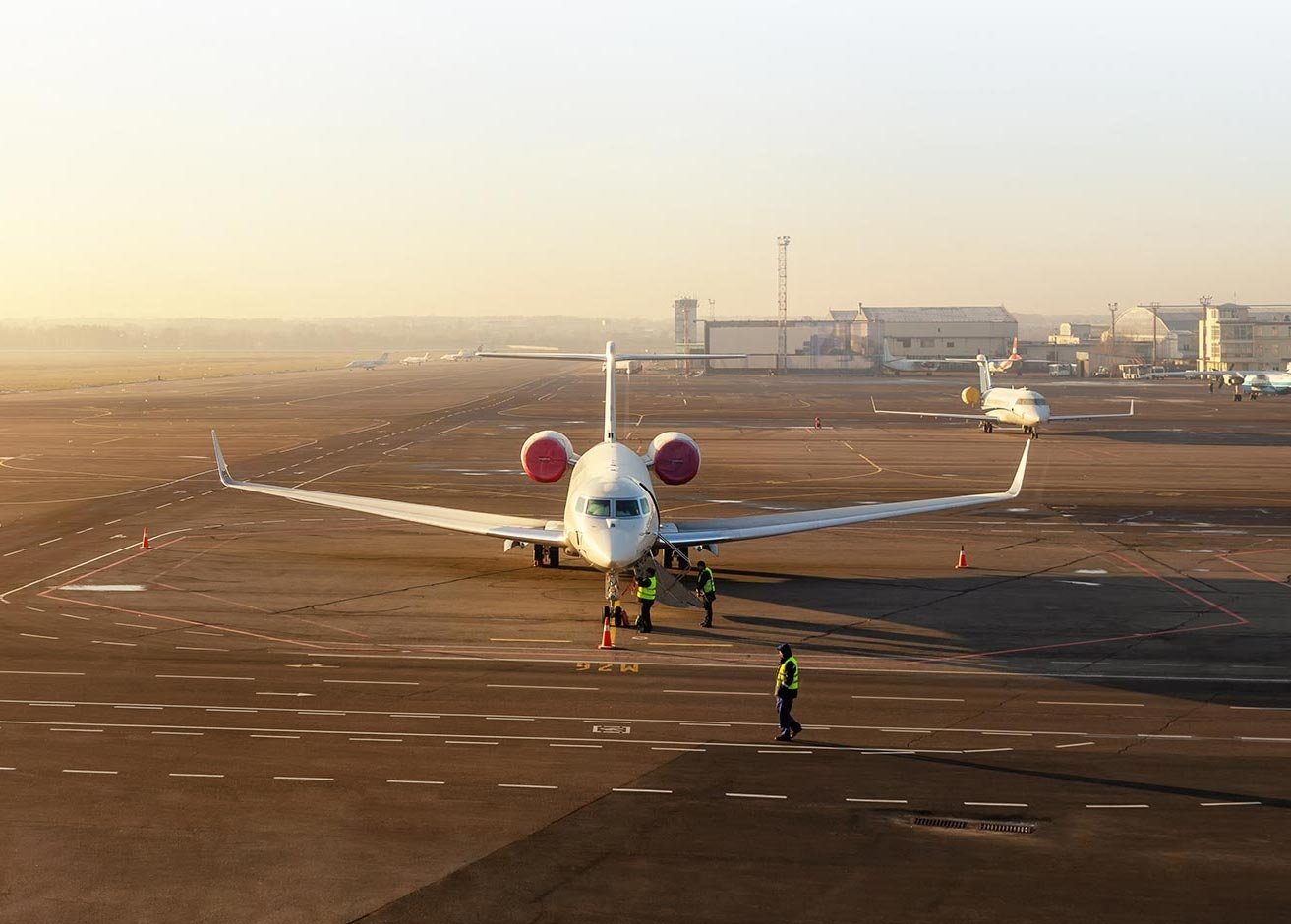
Air charter makes sense when ground transit cannot beat a deadline, such as a coast to coast emergency or an international part. FullTruckload.com arranges charter and the ground legs on both ends to complete the delivery.

How does tracking and visibility work during transit?

Every load carries GPS tracking, and our team provides updates from pickup through delivery. You can see location and estimated arrival, which helps your receiving team plan dock space and labor around the truck's approach.

If a plant shifts a receiving window or road conditions change, we adjust in real time and communicate quickly. That visibility lets your planners react before a problem reaches the line rather than after.

Can you handle oversized or special automotive freight?

Yes. We offer equipment options for oversized tooling, machinery, and large assemblies that will not fit a standard trailer. Straight trucks cover mid size loads, and flatbed or specialized trailers handle heavy and dimensional freight.

Oversized moves need planning for permits, routing, and securement. FullTruckload.com coordinates those details and stays compliant so your equipment arrives safely and legally, without surprises at weigh stations or plant gates.

How reliable is dedicated trucking for ongoing programs?

Dedicated trucking delivers consistency because equipment and drivers stay assigned to your lanes. That removes the daily scramble for capacity and gives your production planners delivery windows they can count on across a full program.

We monitor every dedicated run and coordinate closely with your team. If a schedule shifts or volume changes, we adjust the plan while keeping service steady. Reliability is what keeps just-in-time manufacturing from breaking down.

CTA Hero Star Background
TOP