

Full truckload carriers play a central role in the movement of commercial freight across regional and nationwide supply chains. Manufacturers, distributors, retailers, construction companies, and other businesses depend on truckload capacity to move large shipments directly between facilities without the delays or additional handling associated with shared transportation.
When a shipment fills most or all of a trailer, requires dedicated equipment, or must remain together from origin to destination, full truckload shipping is often the most practical option. Instead of combining freight from several customers inside one trailer, a full truckload carrier assigns the entire truck to a single shipment. The freight travels directly from its pickup location to the delivery point, typically without passing through multiple terminals.
This dedicated transportation model can reduce handling, simplify scheduling, and give shippers greater control over pickup and delivery requirements. It is widely used for palletized products, packaged consumer goods, building materials, industrial equipment, food and beverages, retail inventory, and other high-volume freight.
Full truckload carriers also give businesses access to several types of equipment. Dry vans handle most enclosed freight, refrigerated trailers protect temperature-sensitive products, and flatbeds accommodate machinery, steel, construction materials, and oversized cargo. Matching the correct trailer to the shipment helps protect the freight while improving loading and unloading efficiency.
Choosing the right carrier involves more than finding an available truck. Shippers must consider equipment requirements, operating authority, insurance, geographic coverage, tracking capabilities, delivery performance, and experience with the freight being transported. Price matters, but reliability and communication are equally important when a complete trailer of inventory is moving on a fixed schedule.
Whether you need a one-time truckload, recurring freight capacity, dedicated lanes, or support during a seasonal surge, understanding how the full truckload industry works can help you make better transportation decisions. This guide explains what full truckload carriers do, how FTL shipping works, which equipment options are available, and what businesses should look for when selecting a transportation provider.
TRUCKLOAD CAPACITY KEEPS HIGH-VOLUME FREIGHT MOVING
Full truckload shipping gives businesses a direct transportation solution for large, valuable, or schedule-sensitive shipments. Once the freight is loaded, the assigned truck travels toward the destination without stopping at multiple terminals to unload and reorganize cargo. This streamlined model reduces handling and makes transit schedules more predictable. FullTruckload.com connects shippers with dedicated truckload capacity for regional and nationwide freight, helping businesses keep inventory, materials, and finished products moving on schedule. When production plans, customer commitments, and receiving appointments depend on a reliable delivery, dedicated FTL transportation provides the control and capacity required to keep the supply chain moving.
TALK TO AN EXPEDITOR NOW
Get a Quote in Minutes for Your Time-Critical Freight Needs
Types of Full Truckload Carriers
The term “full truckload carrier” covers a broad range of transportation providers. Some operate large fleets across the country, while others specialize in particular regions, trailer types, commodities, or customer relationships. Understanding the main carrier categories can help shippers choose the right provider for each lane.
Asset-Based Truckload Carriers
Asset-based carriers own or lease the tractors, trailers, and equipment used to transport freight. They employ company drivers, contract with owner-operators, or use a combination of both. Large asset-based trucking companies may operate extensive terminal networks and serve customers throughout the United States, while smaller carriers may focus on a particular region or set of lanes. Working with an asset-based carrier can give shippers direct access to equipment and established operating processes. However, availability may depend on where the carrier’s trucks are positioned and whether the requested lane fits its network.
Owner-Operators
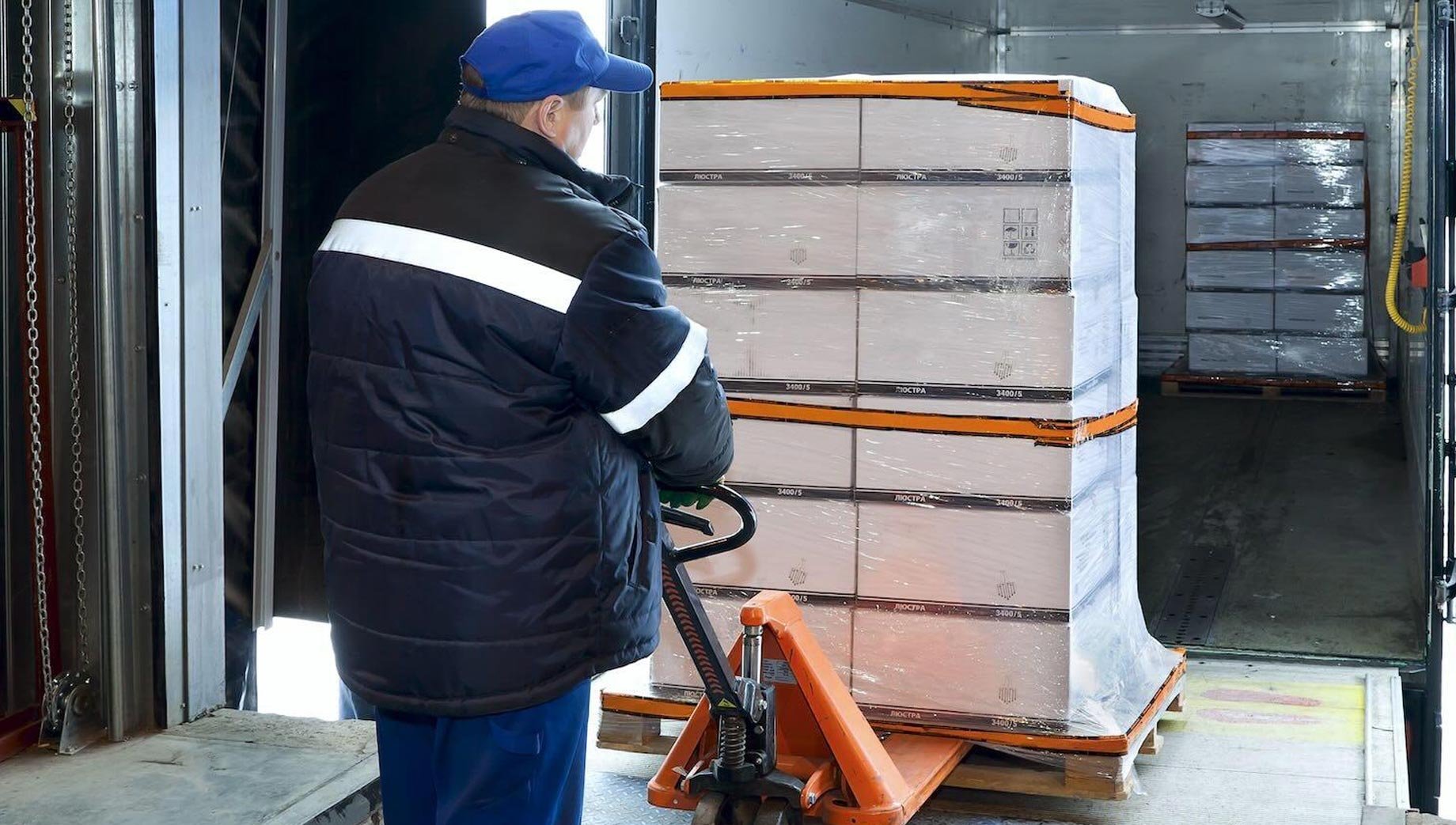
Owner-operators are independent trucking professionals who own or lease their equipment and operate under their own authority or a larger carrier’s authority. They may specialize in dry van, refrigerated, flatbed, or other types of truckload freight. Many owner-operators focus on particular regions, customers, or commodities where they have established experience. Owner-operators can provide personalized service and direct communication, although a single operator has less backup capacity if the truck becomes unavailable.

Regional Truckload Carriers
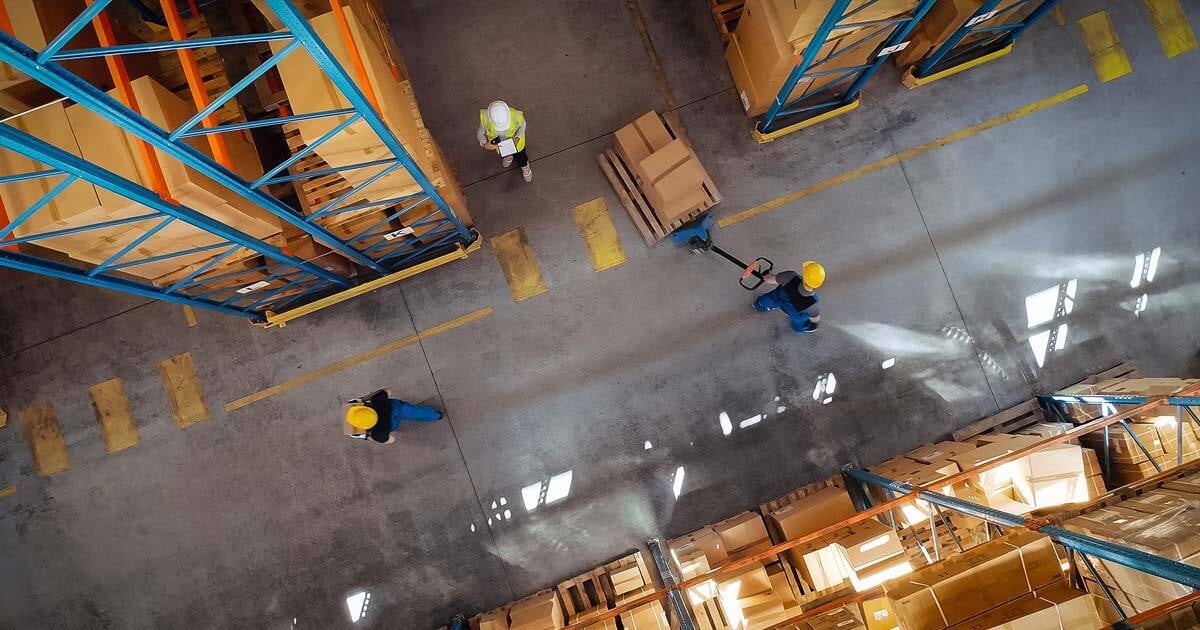
Regional carriers concentrate their operations within a defined geographic area. Their drivers may serve a group of neighboring states or operate within a particular portion of the country. Because these carriers understand local markets and freight patterns, they can be highly effective for short-haul and regional lanes. Their concentrated networks may also support more consistent pickup times and driver availability within their service areas.
National Truckload Carriers
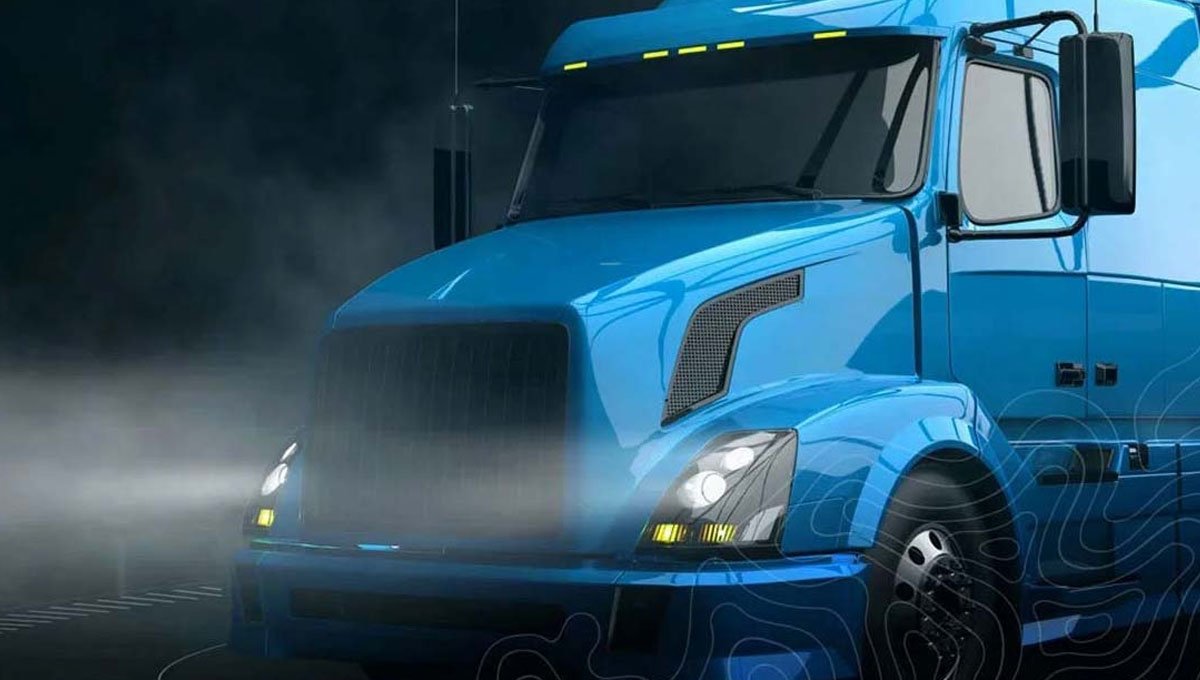
National carriers move freight across broad geographic networks and support long-haul transportation between major markets. They often operate large fleets and work with high-volume shippers that need coverage across multiple states or regions. These trucking companies may offer dry van, refrigerated, flatbed, intermodal, dedicated, and other transportation services through one organization. National carriers can provide broad coverage, although individual lanes may vary in capacity, transit time, and pricing.
Freight Brokers and Third-Party Logistics Providers
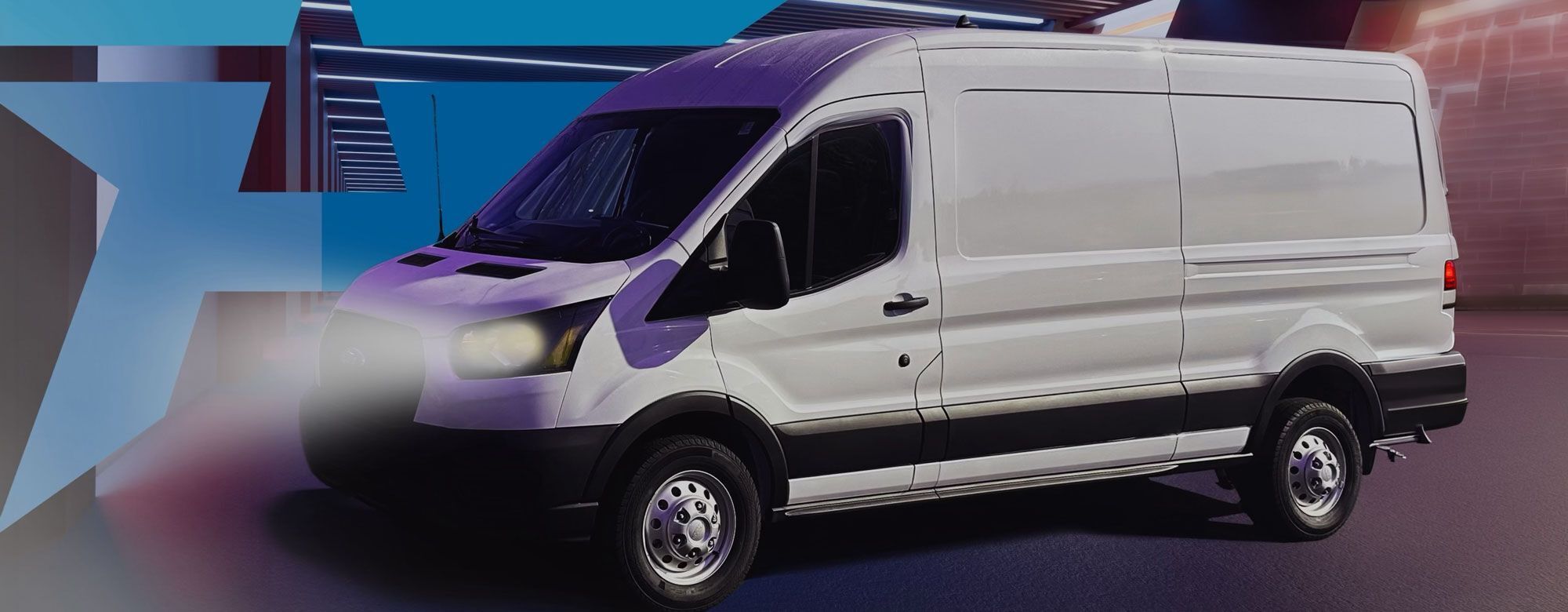
Freight brokers and third-party logistics providers do not necessarily own the truck that moves the shipment. Instead, they connect shippers with authorized carriers that have the required equipment and availability. A broker can evaluate multiple carrier options, negotiate transportation rates, coordinate scheduling, and monitor the shipment from pickup through delivery. This model is especially useful when a shipper needs capacity outside its regular carrier network, must cover an unfamiliar lane, or requires a specialized trailer on short notice. FullTruckload.com serves as a central resource for arranging truckload transportation, helping businesses match freight with suitable carriers and equipment while maintaining a single point of communication throughout the shipment.
Where Full Truckload Carriers Deliver the Greatest Value
- Distribution Center Replenishment
- Manufacturing Supply Chains
- Retail Inventory Rollouts
- Construction Material Deliveries
- Food Distribution Networks
- E-Commerce Fulfillment
Distribution Center Replenishment
Distribution centers constantly receive truckloads of inventory from manufacturers and suppliers. Dedicated truckload shipping allows businesses to replenish warehouse stock efficiently while minimizing handling delays. Deliveries can be scheduled around warehouse appointments, helping maintain inventory levels without disrupting receiving operations.

Manufacturing Supply Chains
Production facilities depend on steady deliveries of raw materials and components. Full truckload carriers move large quantities of production materials directly from suppliers to manufacturing plants, reducing interruptions and supporting lean inventory practices.
Retail Inventory Rollouts
National retailers often launch seasonal promotions or introduce new products across hundreds of stores simultaneously. Truckload carriers coordinate deliveries from distribution centers to regional facilities and retail locations, helping stores receive inventory before scheduled sales events.
Construction Material Deliveries
Construction projects require large volumes of building materials delivered according to strict schedules. Dedicated flatbed and dry van carriers transport structural steel, framing materials, roofing products, insulation, drywall, and equipment directly to active job sites, helping contractors avoid costly delays.
Food Distribution Networks
Food manufacturers and distributors rely on truckload carriers to transport products from processing plants to warehouses, wholesalers, grocery chains, and food service distributors. Direct transportation reduces handling while helping maintain product freshness throughout the supply chain.
E-Commerce Fulfillment
As online shopping continues to grow, retailers must replenish fulfillment centers quickly to meet customer demand. Truckload shipping helps move inventory between manufacturers, distribution centers, and fulfillment facilities, supporting faster order processing and inventory availability.

Why Choose FullTruckload.com?
Managing truckload freight requires dependable capacity, experienced carriers, and responsive communication. FullTruckload.com simplifies the shipping process by connecting businesses with qualified truckload carriers throughout the United States.
Experience With Your Industry
National Network of Vetted Carriers
Direct Routing for Faster Transit
Real-Time Tracking and Updates
Flexible Options for Every Timeline
Handling for Oversized and Special Freight
Frequently Asked Questions
What is a full truckload carrier?
A full truckload carrier transports freight using an entire trailer dedicated to one customer’s shipment. Unlike less-than-truckload shipping, FTL freight is generally not combined with shipments from multiple businesses, allowing for more direct transportation and reduced handling.
When should I use full truckload shipping instead of LTL?
Full truckload shipping is usually the better choice when your freight occupies a large portion of a trailer, requires dedicated handling, has strict delivery deadlines, or contains high-value or fragile products. FTL also becomes increasingly cost-effective as shipment size grows.
What types of trailers do full truckload carriers operate?
Most truckload carriers offer multiple equipment options, including dry vans, refrigerated trailers, flatbeds, step decks, removable gooseneck (RGN) trailers, double-drop trailers, and power-only transportation. The right trailer depends on the shipment’s dimensions, weight, and handling requirements.
How long does full truckload shipping take?
Transit time depends on mileage, weather, traffic conditions, driver Hours of Service regulations, and pickup or delivery appointments. Because FTL shipments generally travel directly to their destination without terminal transfers, they often arrive faster than comparable LTL shipments.
How are full truckload shipping rates calculated?
Truckload pricing typically considers mileage, freight weight, trailer type, fuel costs, market capacity, shipment dimensions, pickup and delivery locations, and seasonal demand. Specialized equipment and expedited transportation may also affect pricing.
Can full truckload carriers transport oversized freight?
Yes. Many carriers operate specialized trailers such as flatbeds, step decks, and removable gooseneck trailers designed to transport oversized machinery, industrial equipment, construction materials, and heavy loads. Some oversized shipments may require permits or escort vehicles.
Is shipment tracking available for truckload freight?
Most professional truckload carriers provide shipment visibility through GPS tracking, transportation management systems (TMS), or dispatcher updates. This allows businesses to monitor freight from pickup through delivery and better coordinate receiving operations.
Do full truckload carriers provide nationwide service?
Many truckload carriers operate throughout the continental United States, while others specialize in regional transportation. Logistics providers like FullTruckload.com help businesses access both regional and nationwide carrier networks based on their shipping requirements.
What industries use full truckload transportation?
Full truckload shipping supports a wide variety of industries, including manufacturing, retail, food and beverage, construction, agriculture, automotive, healthcare, industrial equipment, energy, and consumer goods. Any business moving large quantities of freight can benefit from dedicated truckload transportation.
How do I choose the best full truckload carrier?
Look for carriers with the appropriate equipment, strong safety records, active FMCSA authority, sufficient insurance coverage, reliable communication, and experience transporting your type of freight. Businesses should evaluate overall service quality rather than selecting a carrier based solely on price.