
Skip to content
5.0 rated on Trustpilot

Biggest Trucking Companies

Lists of the biggest trucking companies rarely agree, because each one measures size differently. This guide explains the measures, the main kinds of carriers and what company size means when you have freight to move. FullTruckload.com books dedicated trucks for shippers across North America.

What shippers get

Fast Answers, Driver Updates

“Quick with responses and driver updates.” — Ryan

Same Morning Truck Booking

“Called at 9:30am for a hotshot from Dallas to Waller TX.” — Kollin

500 Miles, Delivered Same Night

“Had a truck that morning and delivered that night 500 miles away!” — Michelle

Aerial view of a truck driving on the road
In short

The measure sets the order

Revenue, fleet size and market value each rank companies differently.

Measuring size How size is measured

How size is measured

There is no single answer to which trucking companies are the biggest, because size can be measured in several ways. The most common measure is annual revenue. Others count the tractors a company runs, the trailers it owns, the drivers it employs or the value of the company on the stock market.

Each measure produces a different order. A company that arranges freight without owning many trucks can have high revenue but a small fleet, while a company with thousands of trucks on regional routes may earn less. Lists also differ in which fiscal year they use and in what they count as trucking revenue, since many large companies also run warehouses, logistics services or international operations.

FullTruckload.com books dedicated trucks for shippers, and knowing how the industry is organized helps explain which kind of carrier fits a load.
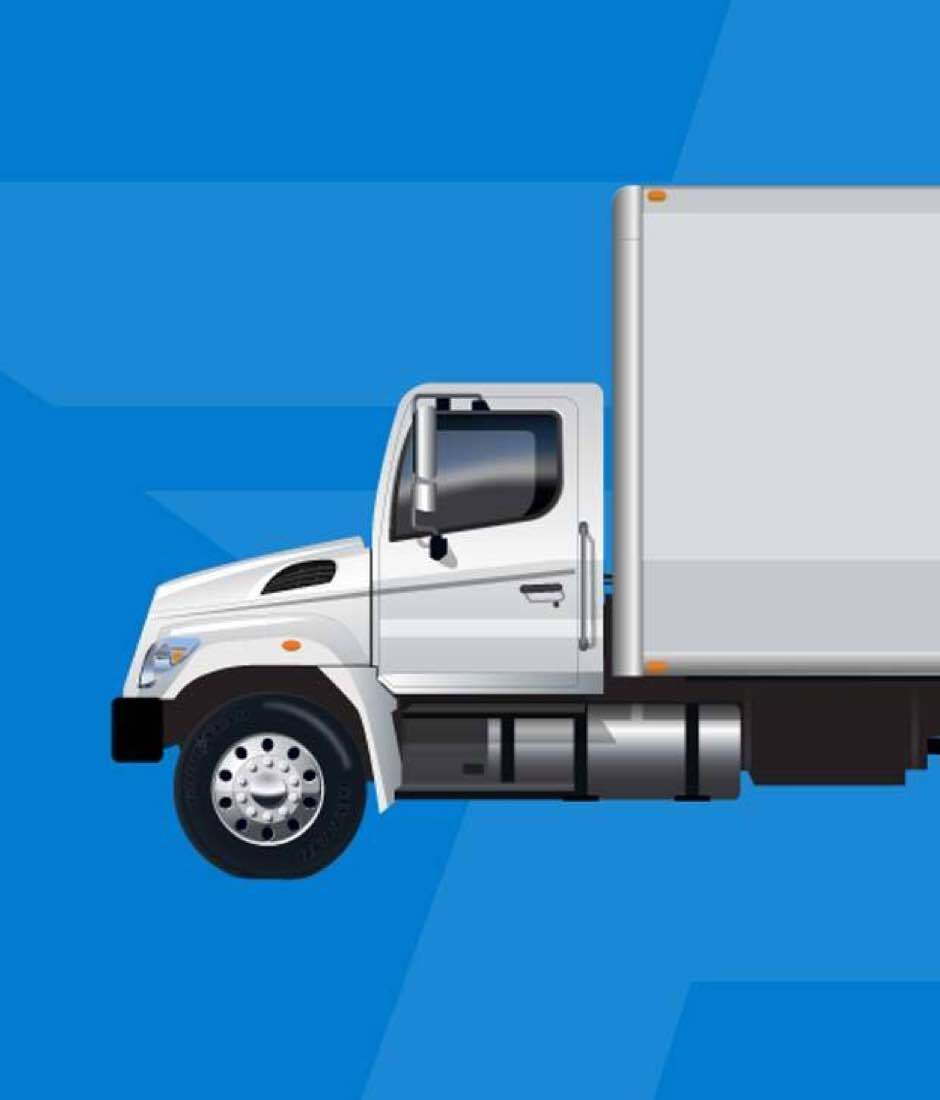

Straight truck (box truck)
Parcel Parcel and pure trucking

Parcel giants and pure trucking

On most revenue lists, the biggest trucking companies are package delivery companies. They run enormous fleets of trucks and vans, but much of their revenue comes from moving parcels through sorting hubs and from air services, not from hauling full truckloads for shippers.

When parcel revenue is set aside, the list looks quite different. Pure trucking rankings are led by large truckload carriers, dedicated contract fleets, less than truckload carriers and companies that run several of these businesses at once. Some rankings split these segments into separate lists, which is often more useful for a shipper looking for a particular kind of service.

For freight that fills a trailer or needs a truck to itself, the relevant comparison is between truckload options. FullTruckload.com books dedicated trucks for that kind of freight, from Sprinter vans to 53 ft dry vans and flatbeds.

Carrier choice

Large carrier, small carrier or truckload broker

A large carrier, a small carrier and a truckload broker each suit different freight. FullTruckload.com is a truckload broker; read across to compare.

Large carrier Asset-based fleet Small carrier Few trucks or one Truckload broker FullTruckload.com
Owns its trucks Yes: Large fleet Yes: A few trucks No: Books carriers
Steady contract lanes Yes: Built for it Sometimes: Limited trucks Sometimes: Can arrange
Last-minute one-off loads Sometimes: If it fits routes Sometimes: If a truck is free Yes: Many carriers
Many truck types Sometimes: Its own fleet No: Usually one type Yes: Van to flatbed
One point of contact Sometimes: Varies Yes: Often the owner Yes: One contact
Best when High, steady volume Local or niche loads Urgent or varied loads

Large carrier

Asset-based fleet
Owns its trucks
Yes: Large fleet
Steady contract lanes
Yes: Built for it
Last-minute one-off loads
Sometimes: If it fits routes
Many truck types
Sometimes: Its own fleet
One point of contact
Sometimes: Varies
Best when
High, steady volume

Small carrier

Few trucks or one
Owns its trucks
Yes: A few trucks
Steady contract lanes
Sometimes: Limited trucks
Last-minute one-off loads
Sometimes: If a truck is free
Many truck types
No: Usually one type
One point of contact
Yes: Often the owner
Best when
Local or niche loads

Truckload broker

FullTruckload.com
Owns its trucks
No: Books carriers
Steady contract lanes
Sometimes: Can arrange
Last-minute one-off loads
Yes: Many carriers
Many truck types
Yes: Van to flatbed
One point of contact
Yes: One contact
Best when
Urgent or varied loads

General comparison; individual companies vary.

Expeditor at his desk tracking a shipment
Why it matters

Not every big company owns trucks

Some of the largest companies arrange freight rather than haul it.

Business models Asset-based and asset-light

Asset-based and asset-light

The biggest trucking companies also differ in how they work. Asset-based carriers own their trucks and trailers and employ or contract their own drivers. They earn money by hauling freight, and they work to keep trucks loaded and moving, often on regular routes for contract customers.

Asset-light companies own few trucks or none. Freight brokers arrange loads with many independent carriers, earning the difference between what the shipper pays and what the carrier is paid. Some large companies run both models side by side. Many owner-operators, who own one or a few trucks, lease onto larger carriers or take loads through brokers.

Because brokers do not own the trucks, they can draw on many carriers and truck types at once. FullTruckload.com works this way, booking a dedicated truck sized to each load.

Kinds of carriers

6 kinds of trucking companies ranked by typical fleet size

Beyond the biggest trucking companies, this ranking orders the main kinds of carriers from the largest typical fleet to the smallest, in general terms. FullTruckload.com books trucks across these for-hire groups; re-sort by fleet or reach.

Sort by
  1. Largest fleets overall

    Parcel and package carriers

    Companies that move parcels through sorting hubs with huge fleets of trucks and vans. They top most revenue lists.

    GoodVast coverage WatchBuilt for parcels
    Very large
    typical fleet
    Parcels and packages
    what they haul
    National
    reach
  2. Largest for-hire truckload fleets

    Large truckload carriers

    Asset-based carriers running thousands of tractors with dry vans and other trailers. They serve contract lanes nationwide.

    GoodLarge pool of trucks WatchPlanned routes
    Large
    typical fleet
    Full trailer loads
    what they haul
    National
    reach
  3. Largest non-trucking fleets

    Private fleets

    Fleets run by retailers, grocers and distributors for their own goods. Some rival large for-hire carriers in size.

    GoodControl of deliveries WatchOwn freight only
    Large
    typical fleet
    Own goods
    what they haul
    Regional to national
    reach
  4. Best for one shipper's lanes

    Dedicated contract fleets

    Trucks and drivers assigned to a single customer under contract. They run that customer's regular routes.

    GoodReliable capacity WatchLong commitments
    Medium to large
    typical fleet
    One customer's freight
    what they haul
    Set lanes
    reach
  5. Best for unusual freight

    Specialized carriers

    Carriers focused on flatbed, heavy haul, temperature-controlled or time-sensitive loads. Their fleets are usually smaller.

    GoodSpecialist equipment WatchFewer trucks
    Small to medium
    typical fleet
    Special freight
    what they haul
    Regional
    reach
  6. Smallest, most flexible

    Owner-operators

    Drivers who own one or a few trucks and haul under their own authority or for larger carriers. They move a large share of freight.

    GoodFlexible and quick WatchLimited capacity
    One to a few
    typical fleet
    Varied
    what they haul
    Local to national
    reach
5.0 from 1,600+ reviews on

Freight that needs its own truck? Get a truckload quote.

Share the pickup, delivery and freight details, and we will book a dedicated truck sized to the load.

  • John Mark was a pleasure to work with and kept me updated on the driver's progress as it was an urgent and timely delivery we needed 11 hours away.

    Kenneth
  • Fantastic! I called and spoke to an extremely helpful gentlemen by the name of Kevin at 7:00 p.m. I couldn't ask for a better experience. Quick, Courteous, and had a driver sitting in PA at 9:30 the next morning.

    Devin

Request a Quote

Step 1 of 3Origin and Destination Info

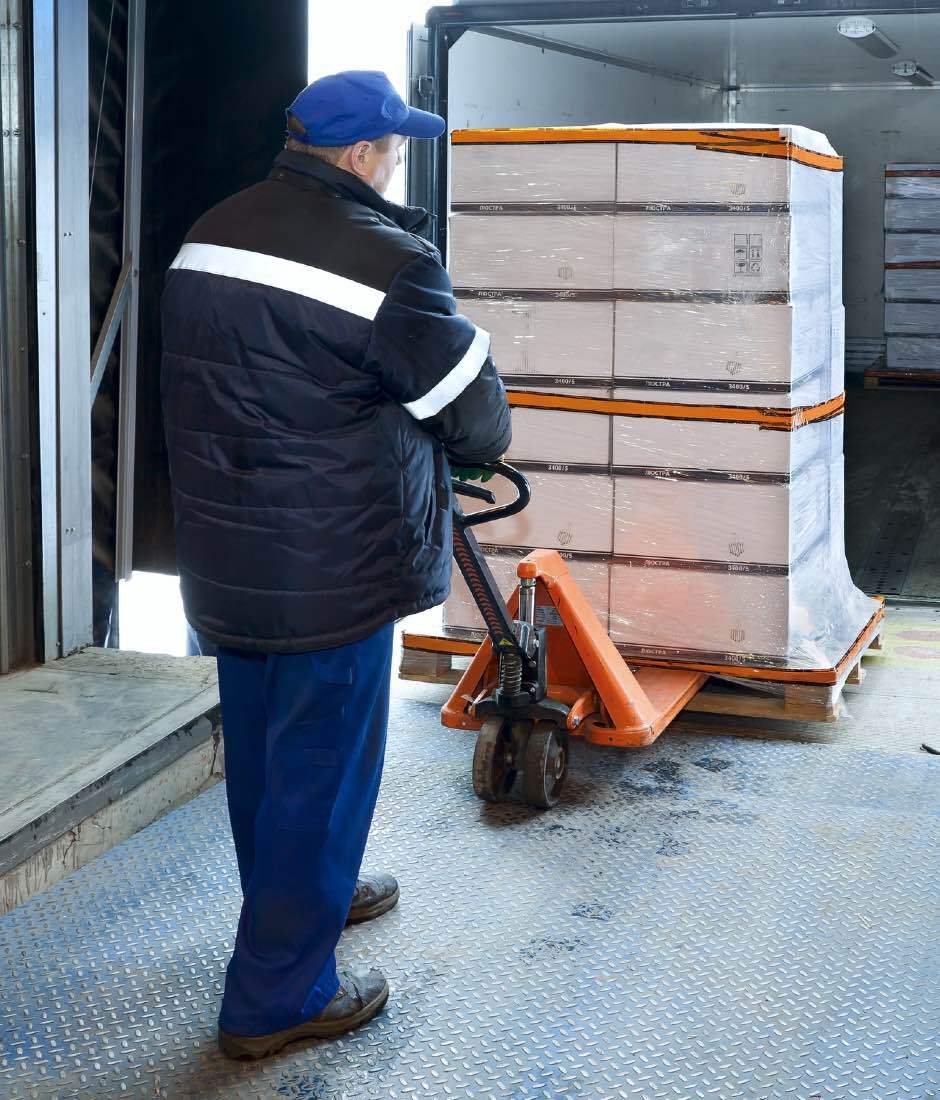
Worker loading a truck
The rule

Some of the biggest fleets are private

Retailers and distributors run large fleets for their own goods.

Private fleets Private fleets

Private fleets

Some of the largest truck fleets in the country never appear on lists of the biggest trucking companies at all. These are private fleets, run by retailers, grocers, food and beverage distributors, manufacturers and other businesses to carry their own goods. A large retailer may run thousands of tractors between its distribution centers and stores.

Private fleets give a company control over its deliveries, its schedule and its service to customers. They do not haul freight for other shippers, so they are usually listed separately from for-hire carriers. Many companies with private fleets still hire outside trucks for overflow, seasonal peaks, one-way moves and urgent loads.

That is where for-hire capacity fills the gaps. FullTruckload.com books dedicated trucks for businesses that need extra capacity alongside their own fleet.

A full truckload

Booking a full truckload, step by step

A typical dedicated truckload follows six steps, and FullTruckload.com arranges each one, from the first freight details to proof of delivery.

  1. 01

    Share the details

    The shipper shares the freight, its weight and size, the pickup and delivery addresses, dock hours and dates.

    • Weight and size
    • Dates
  2. 02

    Match the truck

    A truck type is matched to the freight, from a Sprinter van to a 53 ft dry van or flatbed, and the quote is confirmed.

    • Truck type
  3. 03

    Book the carrier

    A carrier with the right truck on the lane is booked for the load, and the pickup time is agreed.

    • Pickup time
  4. 04

    Load and sign

    The freight is loaded and secured, and the driver signs the bill of lading with the piece count.

    • Bill of lading
  5. 05

    Run direct

    The truck runs straight to the receiver with no transfers, and updates are shared along the way.

    • Updates
  6. 06

    Deliver with proof

    The receiver signs for the freight and notes any exceptions, and proof of delivery closes the load.

    • Proof of delivery
Globe with transport routes
Small carriers An industry of small companies

An industry of small companies

For all the attention the biggest trucking companies receive, trucking is mostly an industry of small businesses. A large share of trucking companies run only a handful of trucks, and many are owner-operators driving their own truck. Together, these small carriers move a large share of the country's freight.

Small carriers often specialize in a region, a type of trailer or a kind of freight, such as flatbed loads, heavy equipment or time-sensitive runs. They can be flexible and quick to respond, but each one has a limited number of trucks available on a given day.

That structure is one reason brokers exist: they connect shippers with carriers of every size. FullTruckload.com books trucks from carriers large and small, matching the truck to the load and the lane rather than the size of the company.

Trucking by the numbers

Trucking by the numbers

54.8 million tons

of freight worth $68.4 billion moved across the US every day1

What it means for you

The volume of freight on US roads is enormous, and no single company moves more than a small part of it. That is why carriers of every size matter.

56.4%

of US freight tonnage travels less than 50 miles2

Most freight moves short distances, the kind of runs many small and regional carriers handle.

73.6%

of US-Mexico trade value moved by truck in 20253

Trucks carry most trade with Mexico, much of it on carriers of every size.

44.2%

truck driver turnover rate in 2025, down from 48%4

Driver turnover remains high, which shapes how every carrier, large or small, plans capacity.

Expeditor Andy
The upshot

Fit matters more than size

The right truck depends on the freight, the lane and the date.

Choosing What size means for shippers

What size means for shippers

A bigger trucking company is not automatically the better choice. Large carriers often suit shippers with steady, high-volume freight on regular lanes, where a contract can lock in capacity for months. Their size brings coverage and a large pool of trucks, but a one-off load may not fit their planned routes.

For urgent loads, one-way moves, unusual freight or lanes outside a carrier's usual routes, a dedicated truck booked for that one load is often the better fit. The truck collects the freight and runs direct to the receiver, with no transfers along the way.

The right question is which truck fits the freight, the lane and the deadline. FullTruckload.com books dedicated trucks of every size, from Sprinter vans to 53 ft dry vans and flatbeds, with one point of contact from booking to delivery.

Freight News
Truckload rates

Truckload spot rates keep rising

Truck rates climbed into October on higher diesel costs and tight capacity, not stronger demand.

Agriculture, farm fields and crops
At a glance · October 2026
10%+
rise in dry van spot rates since late August
50%
above year-ago spot rate levels

What is happening

According to FreightWaves, dry van spot rates in early October were more than 10% above late August and about 50% above a year earlier.

Source: FreightWaves, October 5, 2026

Why it is happening

Rising diesel costs and limited capacity drove the increase, while accepted tender volumes were down 20% from the June peak.

What it means for you

Capacity is tight. FullTruckload.com books with complete load details so freight gets a truck that fits.

Trucks and trailers

The right truck for your freight

Hot shot truck5 / 6

Hot shot truck side view
32–40 ft42,000 lbs
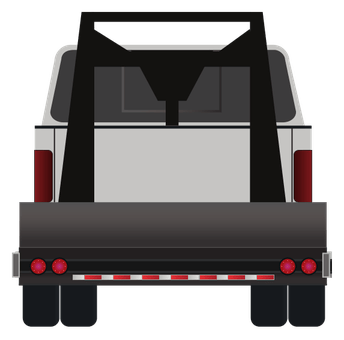
Hot shot truck rear view
102 inWide
120 inHigh
Deck length32–40 ft
Payload42,000 lbs
Deck width102 in
Load height120 in
Best for

Construction, oilfield and farm equipment, machinery

About hot shot trucks

A hot shot pairs a heavy-duty pickup with a gooseneck flatbed trailer. It is the fast choice for equipment and machinery that need an open deck but not a full semi. Ramps at the back let rolling equipment drive straight on.

Price a hot shot truck

Send the pickup, delivery and weight, and we'll match the truck to your load.

Talk to dispatch(800) 373-2480 Get a hot shot quote
Working with us

How FullTruckload.com books your truck

A load goes right when one person owns it, the option fits and the updates are honest.

Expeditor Steve

“I had a single point of contact assigned to our shipment that was fantastic on keeping me updated every step of the way.”

Pamela · Trustpilot
HowWe Work

One Person, Start to Finish

When you call FullTruckload.com, you reach a real person right away, and that same person owns your load from the first call to final delivery. You never have to explain it twice.

Your point of contact books it, follows it the whole way and is the person you call next time.

  • A direct number for your point of contact
  • Updates at pickup and delivery
  • The same person on your next load
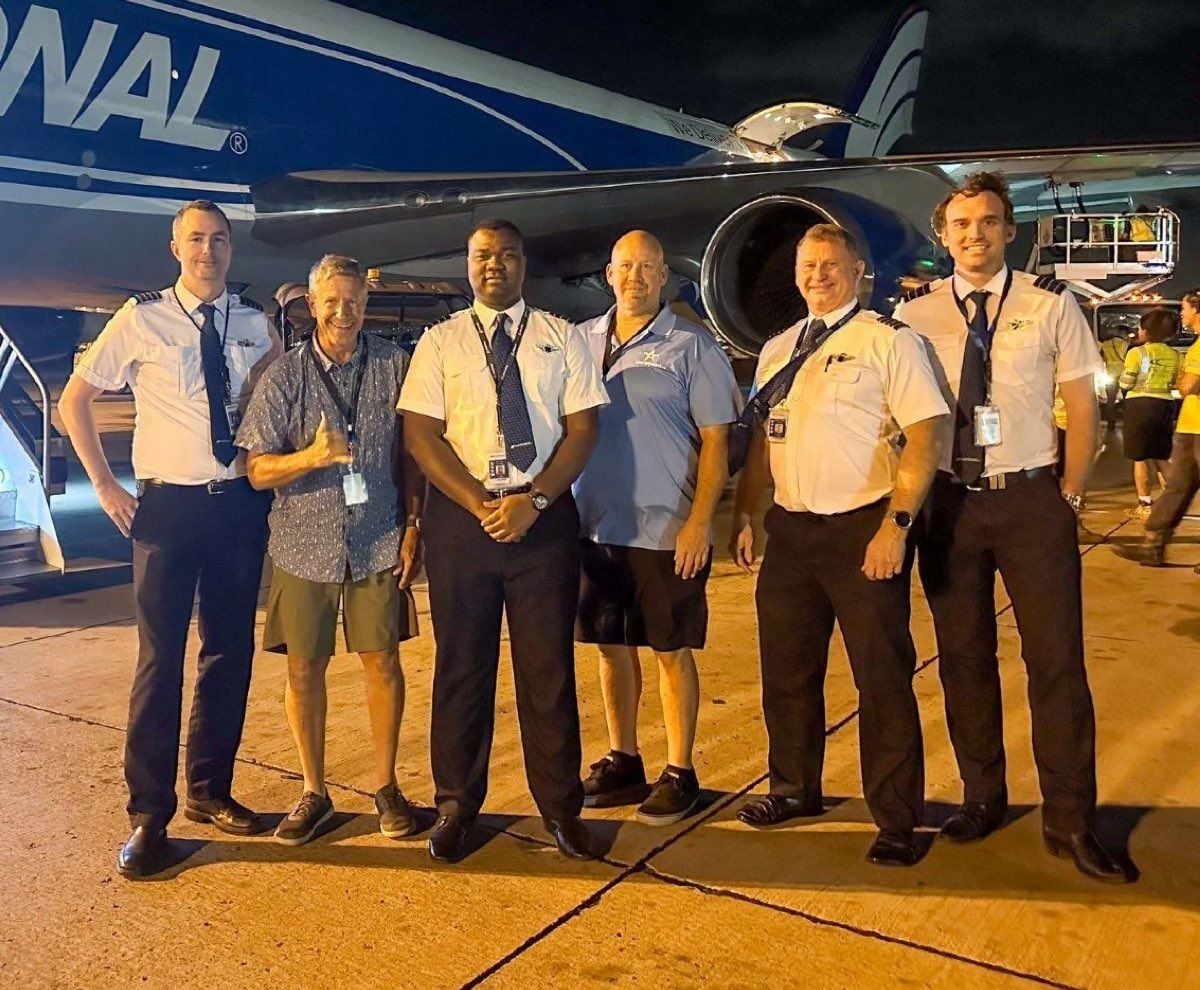
The expediting team at the airport

“I called up at 7:30 pm... one that was secured cancelled at the end of the day. Todd quoted three shipments on the spot... The last shipment was picked up at Midnight.”

Susan · Trustpilot
WhatWe Provide

The Right Mode, Every Time

Every load is different, and the right solution is the one that actually fits. We book Sprinter vans, box trucks, straight trucks, hot shots, 53 ft dry vans and flatbeds that run direct.

We match the load to the option it needs, so you never pay for capacity or speed you do not use.

  • Each option weighed against your deadline
  • A truck sized to the freight
  • Carriers large and small on your lane
Expeditor Chris at the airport

“True to word. They did exactly what they said they would do.”

Dan · Trustpilot
WhoWe Are

Honest With You, Always

Urgent freight is stressful enough without wondering whether you have the full story. We give you the price before you commit, the timeline as it actually stands, and if something goes wrong, you hear it from us first.

That includes telling you when a smaller truck fits your load.

  • Clear quotes before you commit
  • Real updates, including the bad news
  • We say when a smaller truck fits

Biggest Trucking Companies Questions Answered

How are the biggest trucking companies measured?

The biggest trucking companies are usually measured by annual revenue, but other measures include the number of tractors, the number of trailers, the number of drivers and the company's market value. Each measure gives a different ranking. A company that arranges freight through other carriers can have high revenue with few trucks, while a company with a large regional fleet may earn less. Rankings also depend on the fiscal year used and on what counts as trucking revenue. Sharing complete details when booking helps avoid delays.

Why do lists of the biggest trucking companies disagree?

Lists of the biggest trucking companies disagree because they use different measures, different years and different definitions of trucking. Some include package delivery companies, whose revenue is mostly parcel and air, while others leave them out. Some count all of a company's revenue, including warehousing and logistics services, while others count only trucking. Some rank by fleet size instead of revenue. Checking how a list was built explains most of the differences. A provider can confirm what is possible for a specific shipment. Asking these questions before booking avoids surprises later.

Are parcel companies trucking companies?

Package delivery companies run some of the largest truck and van fleets in the country, so they often appear at the top of trucking lists. However, much of their business is moving parcels through sorting hubs and flying them by air, which is different from hauling full truckloads for shippers. Many rankings now list them separately or set aside their parcel revenue, which gives a clearer picture of the largest pure trucking companies. Asking these questions before booking avoids surprises later. Planning ahead makes the delivery go more smoothly.

What is the difference between asset-based and asset-light trucking companies?

Asset-based trucking companies own their trucks and trailers and employ or contract their own drivers, earning money by hauling freight. Asset-light companies own few or no trucks and instead arrange freight with independent carriers, as freight brokers do. Some large companies run both models. Asset-based carriers offer their own capacity, while asset-light companies can draw on many carriers and truck types, which helps with urgent, one-off and unusual loads. Planning ahead makes the delivery go more smoothly. Sharing complete details when booking helps avoid delays.

What is a private fleet?

A private fleet is a group of trucks owned or leased by a business to carry its own goods, rather than freight for other shippers. Retailers, grocers, food and beverage distributors and manufacturers often run private fleets between their plants, warehouses and stores. Some private fleets are as large as major for-hire carriers. Because they do not haul for others, they are usually listed separately, and many still hire outside trucks for peaks and urgent loads. Sharing complete details when booking helps avoid delays.

How do trucking companies make money?

Trucking companies make money in different ways depending on their model. Asset-based carriers earn revenue by hauling freight and work to keep their trucks loaded and moving, including on return trips. Dedicated contract fleets earn from long-term agreements with one customer. Freight brokers earn the difference between what a shipper pays and what the carrier is paid. Many large companies combine several of these models with warehousing and other logistics services. A provider can confirm what is possible for a specific shipment. Asking these questions before booking avoids surprises later.

Are most trucking companies large or small?

Most trucking companies are small, despite the attention the biggest trucking companies get. A large share of carriers run only a few trucks, and many are owner-operators who own and drive a single truck. While the largest companies receive the most attention, small carriers together move a large share of the freight in the US. Many specialize in a region, a type of trailer or a kind of freight. Brokers help connect shippers with these carriers, alongside larger fleets. Asking these questions before booking avoids surprises later. Planning ahead makes the delivery go more smoothly.

Is a bigger trucking company better for shippers?

Not always. The biggest trucking companies often suit shippers with steady, high-volume freight on regular lanes, where a contract secures capacity over time. For urgent loads, one-way moves, unusual freight or lanes outside a carrier's usual routes, a smaller carrier or a dedicated truck booked through a broker may be a better fit. The best choice depends on the freight, the lane, the deadline and how much flexibility is needed, rather than the size of the company. Planning ahead makes the delivery go more smoothly. Sharing complete details when booking helps avoid delays.

What does a truckload broker do?

A truckload broker arranges transportation for a shipper's freight by booking a truck from an independent carrier, without owning the truck itself. The broker matches the load to a carrier with the right equipment on the lane, confirms the pickup and delivery, and keeps the shipper updated until the freight arrives. Because brokers work with many carriers, they can often find a truck quickly and offer a wide range of truck types for different loads. Sharing complete details when booking helps avoid delays. A provider can confirm what is possible for a specific shipment.

How do I book a full truckload?

To book a full truckload, gather the freight details first: what it is, the number of pallets or pieces, the total weight, the dimensions, the pickup and delivery addresses, dock hours and the dates. Share them with a carrier or truckload broker by phone or quote form. The provider matches a truck type to the freight, confirms the quote and books the truck. Having the freight ready at pickup and the receiver prepared helps the load run smoothly. A provider can confirm what is possible for a specific shipment.

Get a quote

Freight to move? Book a dedicated truck now

Enter your pickup, delivery and date, and we will book a dedicated truck sized to the load.

5.0 from 1,600+ reviews on

Request a Quote

Step 1 of 3Origin and Destination Info

Thank you Bryan! Came in almost 2 hours ahead of schedule. Awesome Job! You did what the big logistic companies said couldn't happen. Again Thank you

Churchmen's · Verified review on Trustpilot
CTA Hero Star Background
TOP